Top Advantages of Using Polyester Hot Melt Adhesive in Various Industries?
Polyester Hot Melt Adhesive has gained prominence across various industries. Its versatility contributes to its growing popularity. This adhesive offers a reliable solution for many applications.
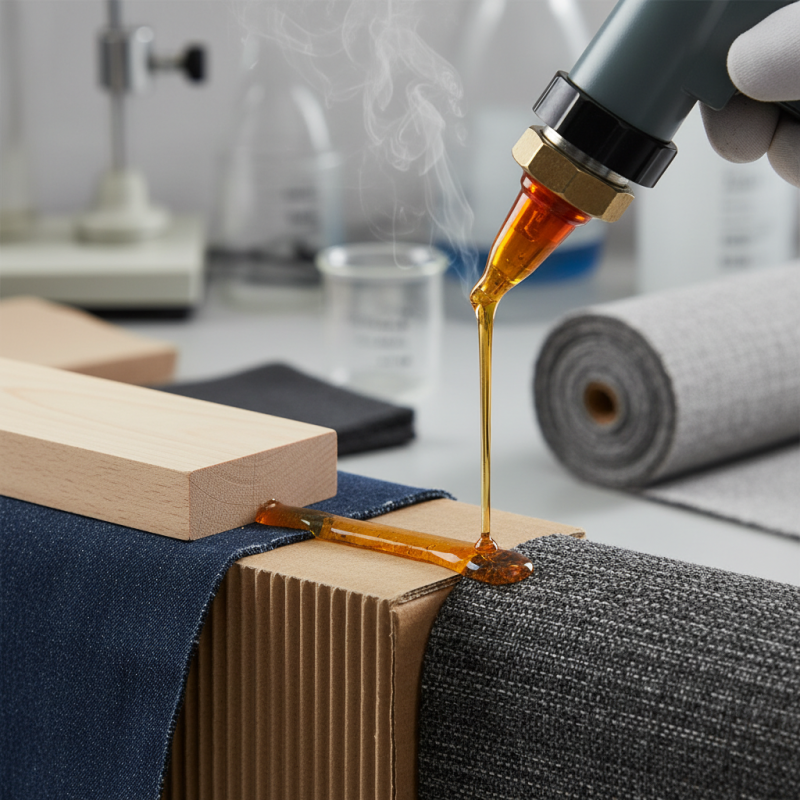
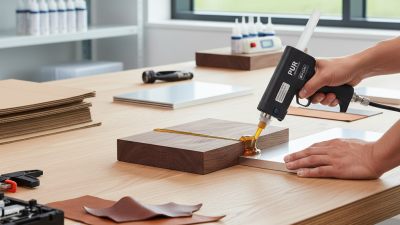
The use of Polyester Hot Melt Adhesive is evident in packaging, textiles, and woodworking. In packaging, it enhances durability and bond strength. The adhesive performs well under high temperatures, maintaining integrity. In textiles, it provides flexibility while ensuring a strong bond. Manufacturers appreciate this feature for creating high-quality products.
However, there are challenges. Some users may find it difficult to apply evenly. Proper equipment is needed for optimal results. The initial investment may deter smaller manufacturers. Yet, the benefits can outweigh these concerns. As industries evolve, embracing Polyester Hot Melt Adhesive can lead to innovative solutions.
Advantages of Polyester Hot Melt Adhesives in Manufacturing Processes
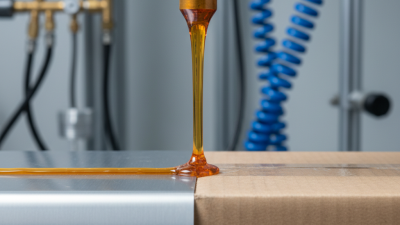
Polyester hot melt adhesives have gained popularity in manufacturing due to their numerous advantages. These adhesives bond quickly and effectively, making processes more efficient. They typically set within seconds, allowing production lines to operate smoothly. Strong adhesion is another significant benefit. Polyester adhesives can bond a variety of materials, including plastics, metal, and textiles. This versatility reduces the need for multiple adhesive types in factories.
The thermal stability of polyester adhesives ensures they perform under different temperatures. They resist degradation, maintaining strong bonds even when exposed to heat. However, workers should ensure proper application to avoid overheating during the melting process, which can affect bond quality. Additionally, while these adhesives are robust, there's a tendency for users to overlook the importance of surface preparation. Properly cleaned surfaces lead to better adhesion and overall performance.
Another advantage is moisture resistance. This feature is crucial in industries where humidity levels vary. Polyester adhesives can provide reliable bonds in such environments. Despite these benefits, some drawbacks exist. For example, the cost can be higher compared to other adhesives. Manufacturers must weigh this against the long-term performance and efficiency benefits. Adopting polyester hot melt adhesives can lead to significant improvements in production outcomes.
Top Advantages of Using Polyester Hot Melt Adhesive in Various Industries
| Industry |
Advantages |
Application Examples |
| Automotive |
High bond strength, temperature resistance |
Interior bonding, trims, upholstery |
| Construction |
Moisture resistance, durability |
Insulation materials, roofing applications |
| Packaging |
Fast setting, versatility |
Carton sealing, adhesive labeling |
| Electronics |
Thermal stability, electrical insulation |
Component assembly, insulation layers |
| Furniture |
Aesthetic finish, ease of use |
Laminate bonding, edge banding |
Applications of Polyester Hot Melt Adhesives in Automotive Industry
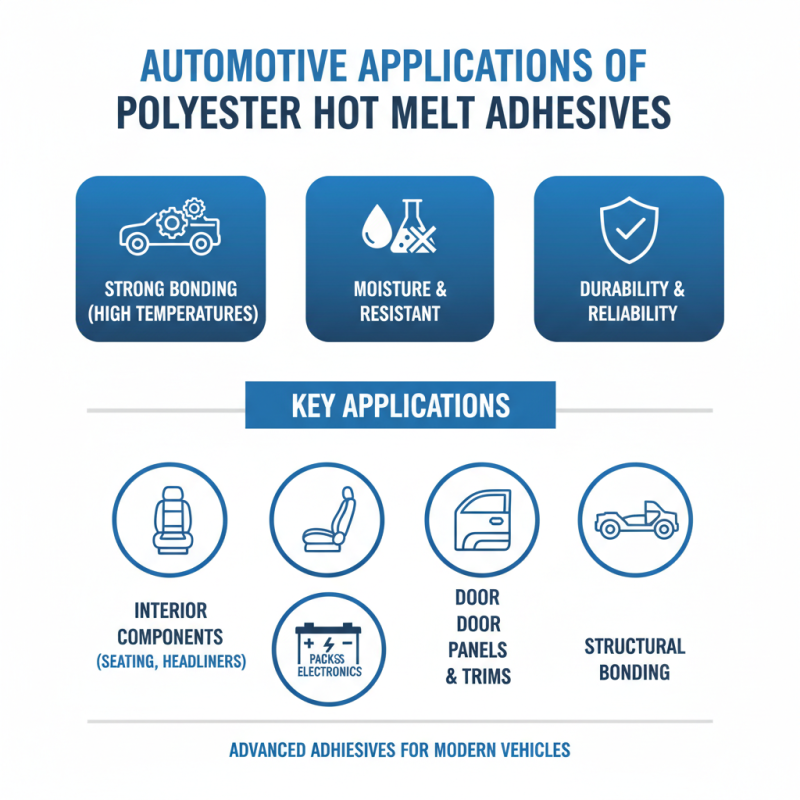
Polyester hot melt adhesives have gained traction in the automotive industry. Their unique properties make them an ideal choice for various applications. These adhesives provide strong bonding at high temperatures. They are also resistant to moisture and chemicals, ensuring durability.
In manufacturing, polyester hot melt adhesives are used for assembling interior parts. They bond fabrics, plastics, and metals effectively. This helps in designing lightweight, durable vehicles. The adhesive's fast curing time enhances production efficiency. It allows for quicker assembly line processes, reducing overall costs.
Tips for using polyester adhesives: Ensure surface cleanliness before application. This improves adhesion and longevity. Always test the adhesive on sample materials. It helps you assess compatibility and performance. Monitor the temperature during application. Too high or low can affect bonding strength. Regularly review your methods for improvement. Even minor changes can lead to enhanced results.
Benefits of Polyester Hot Melt Adhesives in Packaging Solutions
Polyester hot melt adhesives have gained popularity in the packaging industry due to their unique properties. These adhesives provide excellent bonding strength, which is crucial for ensuring packages remain sealed during transportation. Their rapid setting time allows manufacturers to increase production efficiency. Often, the need for long curing times can slow down operations, but polyester adhesives help mitigate this issue.
Environmentally, using these adhesives can be beneficial. They are typically less harmful than some traditional glues. As companies strive to adopt greener practices, this factor becomes increasingly relevant. However, not all polyester adhesives are created equal. Some formulations may still contain substances that require careful handling. Users should always check the safety data sheets before implementation.
While polyester hot melt adhesives excel in many areas, there are limitations. Their performance can be temperature-dependent. In extreme conditions, the bond strength may weaken. This can lead to potential issues in storage or transport. It’s essential for companies to consider their specific needs when choosing materials. Testing different adhesives can offer insights into what works best for particular applications.
Environmental Impact and Sustainability of Polyester Hot Melt Adhesives
Polyester hot melt adhesives are gaining attention for their environmental benefits. These adhesives are often more sustainable than traditional options. Data shows that using polyester can reduce waste by up to 30% in certain applications. This reduction is significant, particularly in manufacturing settings where material efficiency is crucial.
Another advantage is their lower volatile organic compound (VOC) emissions. Research indicates that polyester hot melt adhesives can emit up to 50% less VOCs compared to other adhesives. This is vital for industries focused on improving indoor air quality and reducing their carbon footprint. Many manufacturers report fewer air quality issues when switching to these adhesives.
Despite the benefits, there are challenges to consider. Not all polyester adhesives are biodegradable. Some may persist in the environment long after use, leading to accumulation problems. It raises questions about long-term impacts. Continuous research is essential to enhance their biodegradability and sustainability. Exploring these aspects will help the industry make more informed choices regarding adhesive materials.
Comparative Analysis of Polyester Hot Melt Adhesives with Other Adhesives
Polyester hot melt adhesives offer unique advantages over traditional adhesives. They can bond a variety of materials, including plastics, metal, and paper. Their rapid setting time enhances productivity. In comparison, water-based adhesives often have longer drying times, which can slow down manufacturing processes.
One area where polyester adhesives shine is heat resistance. They maintain their strength even at elevated temperatures. In contrast, other adhesives can lose adhesion when exposed to heat. This characteristic makes polyester ideal for industries like automotive and packaging, where heat exposure is common.
Tip: When selecting an adhesive, consider the specific application. Polyester hot melts might be the best choice for high-temperature environments.
It’s also important to note that polyester hot melts can be more expensive upfront. Some manufacturers might hesitate to invest in these adhesives. However, the long-term benefits, such as reduced failures and less downtime, can outweigh initial costs. Balancing cost and performance is essential in making a wise choice.
Tip: Analyze the entire production process before deciding on an adhesive. This holistic view can lead to better decision-making.