What is Beer Bottle Labeling Adhesives and Their Benefits?
In the dynamic world of brewing, the role of Beer Bottle Labeling Adhesives cannot be overlooked. Eric Hargrove, a leading expert in the packaging industry, emphasizes, "The right adhesive can make or break a brand's presentation." This insight sheds light on the importance of selecting quality adhesives for beer labels.
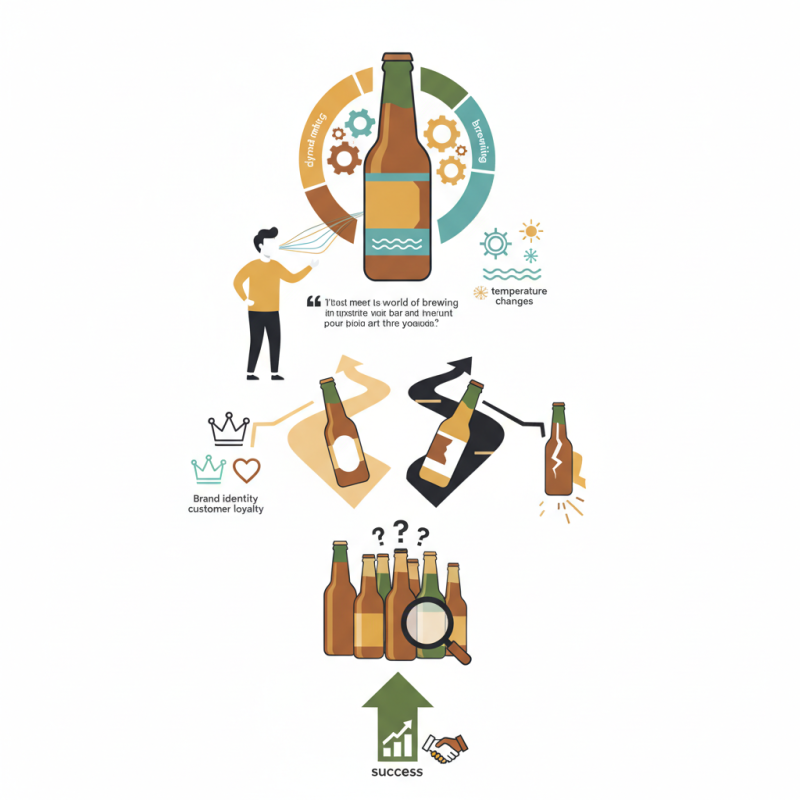
These adhesives ensure that labels stay intact, maintaining the integrity of the product. Suitable Beer Bottle Labeling Adhesives resist moisture and temperature changes. This resilience is crucial in preserving the brand’s image during distribution. Without the right choice, labels may peel off or fade, affecting customer perception.
However, choosing the best adhesive is not without challenges. Each brewery has unique needs based on their packaging. An adhesive suitable for one type of bottle may not work for another. This variability calls for careful consideration. In the world of labeling, it's essential to reflect on every detail. Quality adhesives contribute to brand identity and customer loyalty. Understanding these factors is vital for any brewery aiming for success.
What are Beer Bottle Labeling Adhesives?
Beer bottle labeling adhesives play a crucial role in the brewery industry. These adhesives secure labels to bottles, showcasing brand identity. A study by Smithers Pira indicates that the global pressure-sensitive adhesive market, which includes these adhesives, is projected to reach $7.5 billion by 2026. The growth reflects the increasing demand for efficient packaging solutions.
Different formulations of labeling adhesives exist. Water-based adhesives are common, offering easy application and eco-friendliness. Hot melt adhesives provide strong bonding, suitable for high-speed labeling processes. However, not all adhesives suit every bottle type or environment. A mismatch can result in label peeling or damage, complicating packaging processes for breweries.
When selecting an adhesive, breweries should consider bottle material and label design. Glass bottles may require different adhesives than plastic ones. The right choice enhances shelf appeal and reduces waste. Each brewery must assess its unique needs, as incorrect choices can lead to product loss. The diverse requirements underline the importance of expertise in label adhesive selection.
Beer Bottle Labeling Adhesives Usage and Benefits
Types of Adhesives Used in Beer Bottle Labeling
When it comes to beer bottle labeling, choosing the right adhesive is crucial. Different types of adhesives serve varying needs. Pressure-sensitive adhesives (PSAs) are the most common choice. They stick well and allow quick application. PSAs adhere to the label upon contact, making them efficient. According to a recent industry report, over 60% of beer manufacturers prefer PSAs for their flexibility.
Another popular option is water-based adhesives. These are eco-friendly and easy to clean during the labeling process. Water-based solutions account for about 25% of the market. Their effectiveness depends on the surface of the bottle, often demanding a clean and dry surface for optimal bonding. While these adhesives are generally reliable, their performance can be inconsistent in humid conditions.
UV-curable adhesives have gained traction in recent years. They offer quick curing times, enabling faster production. Available in various formulations, they provide strong adhesion. Future trends suggest that UV adhesives could capture more market share, especially with improvements in sustainability. However, they require precise application techniques, which can pose a challenge for some breweries. These details highlight the complexity and evolving choices in beer bottle labeling adhesives.
Benefits of Using Quality Adhesives for Labels
When it comes to beer bottle labeling, the choice of adhesive is crucial. Quality adhesives ensure that labels not only stick securely but also endure various environmental conditions. Factors such as humidity and temperature fluctuations can challenge weaker adhesives. A reliable adhesive maintains label integrity throughout the product's life cycle.
Using high-quality adhesives enhances brand presentation. Labels that resist peeling or fading create a lasting impression. This helps consumers connect with the brand. However, not all adhesives are equal, and some may leave residue or fail under stress. It’s important to reflect on these potential issues when selecting adhesives.
Ultimately, investing in superior labeling adhesives pays off. Producers benefit from fewer complaints about label performance. Consumers appreciate well-presented products. Yet, the choice of adhesive should align with the specific needs of the labeling process. Thoughtful consideration can lead to better outcomes and stronger brand loyalty.
What is Beer Bottle Labeling Adhesives and Their Benefits?
| Adhesive Type |
Material Compatibility |
Temperature Resistance |
Application Method |
Benefits |
| Water-Based Adhesives |
Paper, Plastic |
Up to 50°C |
Roller, Spray |
Environmentally Friendly, Easy Cleanup |
| Solvent-Based Adhesives |
Glass, Metal |
Up to 80°C |
Brush, Roll |
Durability, Weather Resistance |
| Hot Melt Adhesives |
Flexible Packaging |
Up to 70°C |
Extrusion, Spray |
Quick Setting, Strong Bonding |
| Pressure-Sensitive Adhesives |
Various Substrates |
-20°C to 60°C |
Manual, Automatic |
Easy Application, Repositionable |
Challenges in Beer Bottle Labeling Adhesive Application
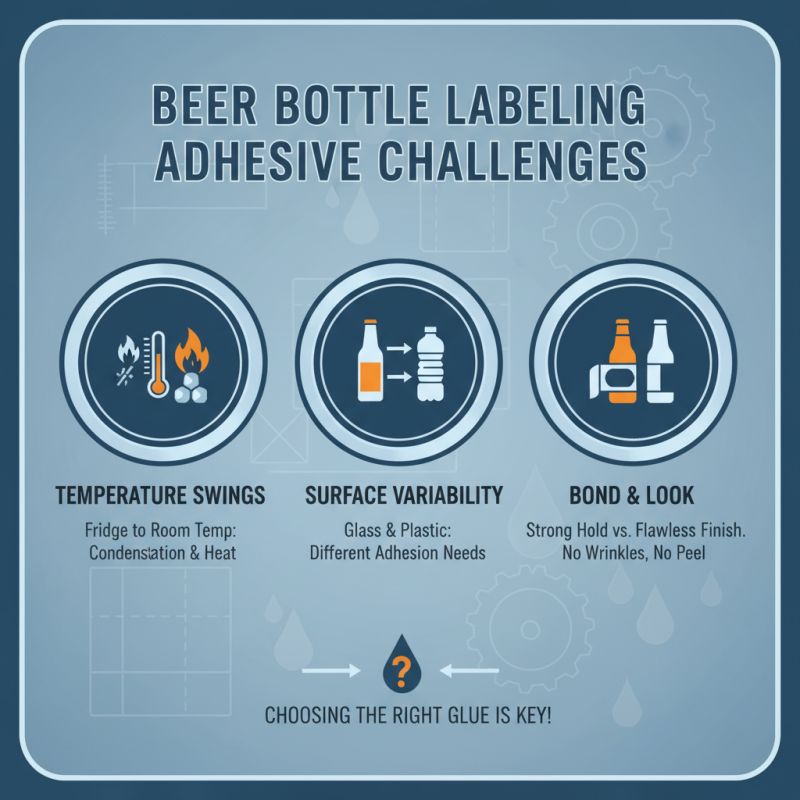
Labeling beer bottles poses several challenges, particularly concerning adhesive application. The adhesive must withstand temperature fluctuations. It also needs to adhere well to various surfaces, including glass and plastic. Choosing the right adhesive can be tricky. It must bond effectively without compromising the label's appearance.
Another concern is the application process. Many brewers apply labels manually or using semi-automated systems. These methods can result in inconsistent adhesive distribution. Uneven application may lead to labels peeling or bubbling, creating a poor impression. Moreover, if the adhesive is too strong, it can damage the label upon removal. Conversely, a weak adhesive may not hold the label securely in place.
Environmental factors further complicate matters. Humidity and temperature can impact adhesive performance. During hot summer months, labels may slide off before reaching consumers. Similarly, colder temperatures can cause adhesive failure. Continuous testing and adjustments are necessary to enhance reliability. Brewers must remain vigilant to ensure that every bottle meets quality standards.
Best Practices for Beer Bottle Labeling Adhesive Selection
Choosing the right adhesive for beer bottle labeling is crucial for breweries. A reliable adhesive ensures labels remain intact, enhancing brand visibility. According to industry data, improper labeling can lead to a 30% increase in consumer complaints. Adhesives come in various types, including water-based, hot melt, and pressure-sensitive options. Each has unique properties that affect durability and application.
When selecting an adhesive, it’s vital to consider factors such as label material and environmental conditions. For instance, water-based adhesives work well in cold temperatures but may struggle in humid conditions. A recent report indicates that around 25% of breweries face issues with label adhesion during transportation. Choosing an adhesive that can withstand these challenges is essential.
Adhesive performance can vary significantly. Testing different options in real-world scenarios is necessary. This often uncovers unexpected issues, such as residue left on bottles or labels peeling off. Industry experts recommend conducting trials under varying conditions to identify the best adhesive for specific products. Regular reviews and adjustments can lead to significant improvements in labeling efficacy and consumer satisfaction.