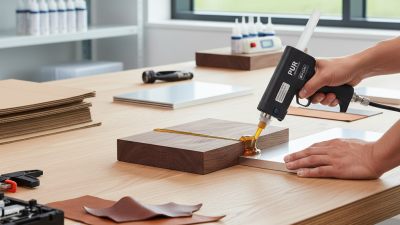
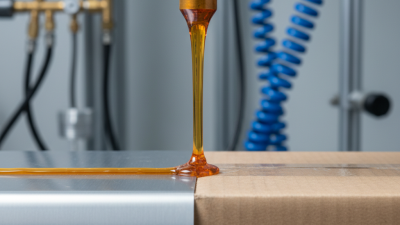
Benefits of Using Modified Acrylate Adhesive in Manufacturing?
In the competitive manufacturing landscape, choosing the right adhesive is crucial. Modified Acrylate Adhesive has emerged as a popular choice. Dr. Emily Clarke, an expert in adhesive technologies, emphasizes its versatility: "Modified Acrylate Adhesive offers strength and flexibility like no other."
These adhesives provide excellent bonding across various substrates. Their fast curing properties lead to increased production efficiency. However, manufacturers must consider the specific requirements of their applications. Some may still find that their performance does not meet expectations in extreme conditions.
Testing and validation are essential to fully appreciate the advantages of Modified Acrylate Adhesive. While many industries embrace this technology, questions remain regarding its long-term durability. Exploring both its strengths and weaknesses can lead to better decision-making in adhesive selection.
Understanding Modified Acrylate Adhesives in Manufacturing Processes
Modified acrylate adhesives have gained traction in manufacturing due to their versatile applications. These adhesives offer excellent bonding properties to a variety of substrates, including plastics, metals, and glass. Their ability to adhere quickly reduces production times. Additionally, modified acrylate adhesives display good resistance to chemicals and UV light. This makes them suitable for outdoor applications and demanding environments.
Using modified acrylate adhesives can pose challenges. Their performance can vary based on environmental factors. Temperature and humidity can affect the curing process, leading to compromised adhesion. It's crucial for manufacturers to conduct thorough testing before full-scale implementation. While these adhesives are reliable, inconsistency in application can yield unexpected results.
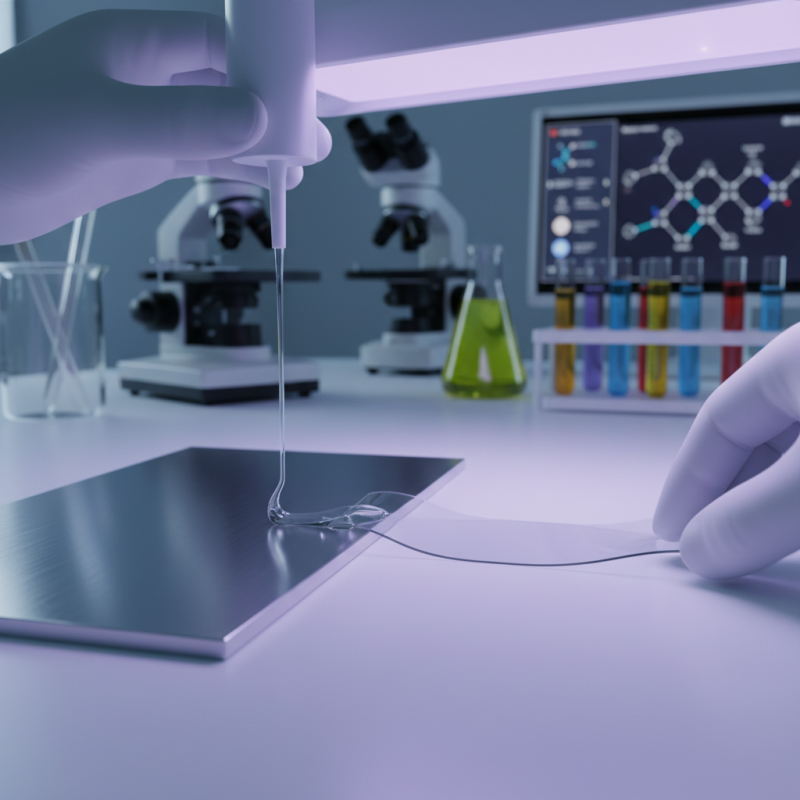
The ease of use is a significant advantage. Modified acrylate adhesives often require minimal preparation. This can streamline workflow and reduce downtime. However, improper application can lead to defects, such as bubbles or uneven bonding. Continuous training and monitoring ensure optimal results, highlighting the importance of knowledge in the adhesive process.
Key Properties of Modified Acrylate Adhesives and Their Significance
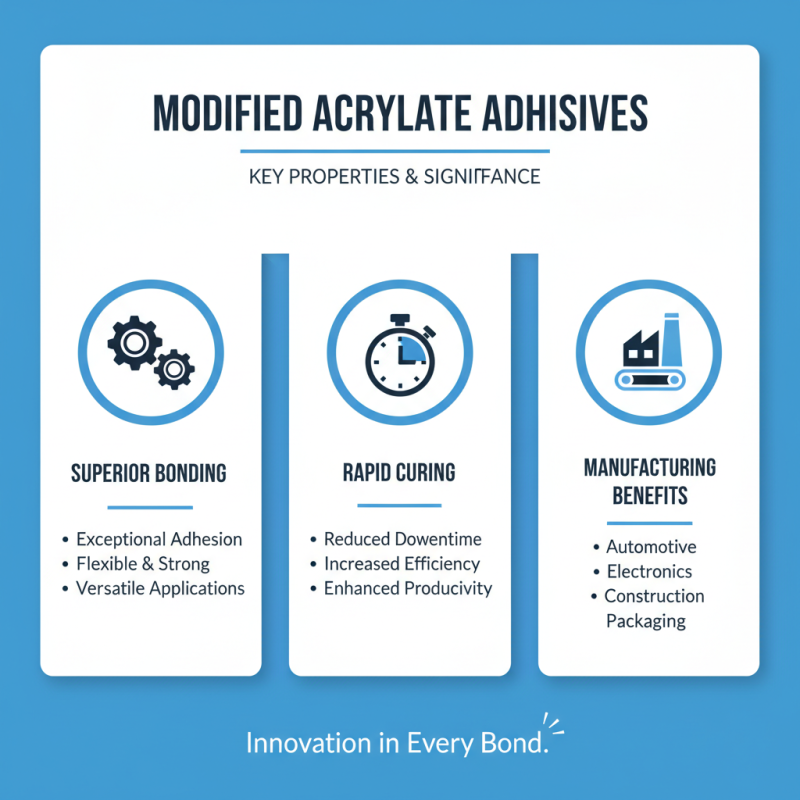
Modified acrylate adhesives are widely recognized for their impressive bonding capabilities. These adhesives offer flexibility and strength, making them ideal for various manufacturing applications. Their rapid curing time allows for increased efficiency on production lines. This feature is vital for businesses aiming to reduce downtime and enhance productivity.
One of the key properties of modified acrylate adhesives is their excellent resistance to environmental factors. They perform well in extreme temperatures and varying humidity levels. This durability is crucial for products exposed to harsh conditions. For instance, automotive parts and outdoor equipment are often subject to wear and tear. Using modified acrylate adhesives can significantly extend the lifespan of these products.
Another noteworthy characteristic is their versatility. These adhesives can bond to different substrates like metals, plastics, and glass. However, manufacturers must ensure surface preparation is adequate. Poor surface conditions can lead to weak bonds, which is a challenge that needs careful attention. Choosing the right adhesive grade for specific materials can be intricate yet rewarding. Understanding these properties can help manufacturers make informed decisions and optimize their production processes.
Advantages of Using Modified Acrylate Adhesives Over Other Adhesives
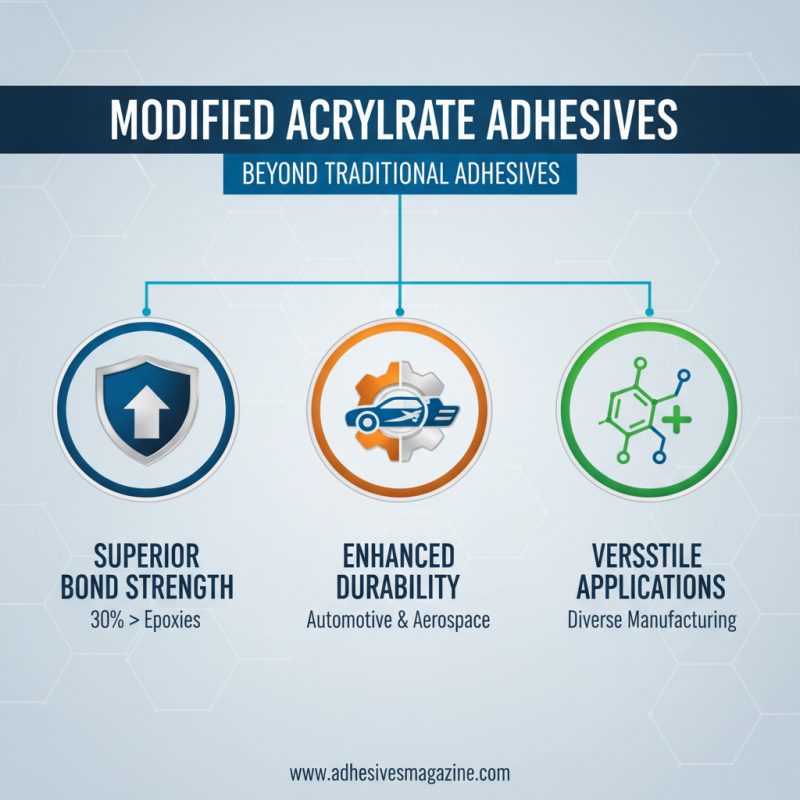
Modified acrylate adhesives offer a range of benefits in manufacturing, particularly when compared to traditional adhesive options. One key aspect is their improved bond strength. According to a recent report by Adhesives Magazine, modified acrylates exhibit a bond strength that can surpass that of epoxies by over 30%. This advantage is crucial in industries where durability is paramount, such as automotive and aerospace.
These adhesives also provide excellent resistance to environmental factors. Data from the Journal of Adhesion Science shows that modified acrylates maintain performance even in extreme temperatures and humidity. This resilience leads to reduced maintenance costs and longer product lifespans. However, this high performance sometimes comes at a higher initial cost, which some manufacturers may find challenging.
Furthermore, modified acrylate adhesives cure quickly, allowing for faster production times. A study by the National Institute of Standards and Technology highlighted that production time can be cut by up to 20% compared to traditional adhesives. This efficiency can significantly impact overall productivity. But, it's essential to note that not all modified formulations are created equal. Manufacturers must carefully evaluate their specific applications to fully harness these benefits.
Applications of Modified Acrylate Adhesives in Various Industries
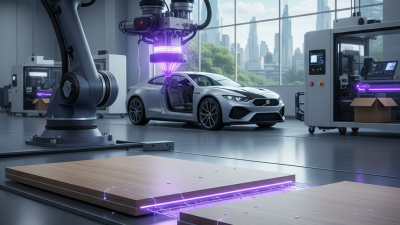
Modified acrylate adhesives have found diverse applications across various industries due to their unique properties. In the automotive sector, for instance, these adhesives excel in bonding different materials, such as metals and plastics. This capability enhances vehicle durability and reduces overall weight, promoting fuel efficiency. Additionally, their resistance to heat and chemicals makes them ideal for high-performance automotive assemblies.
In the electronics industry, modified acrylate adhesives are increasingly used for potting and encapsulation. They provide excellent electrical insulation and mechanical protection to sensitive components. These adhesives can withstand thermal cycling and moisture, ensuring a reliable lifespan for electronic devices. Moreover, their quick curing time allows manufacturers to maintain high productivity without compromising quality.
However, there are challenges in using modified acrylate adhesives. Improper application may lead to poor bonding, affecting end products' reliability. Also, environmental factors, like humidity and temperature, can influence their performance. Manufacturers must be aware of these variables when selecting and applying modified acrylate adhesives. A thoughtful approach can lead to improved outcomes in product development and production efficiency.
Benefits of Using Modified Acrylate Adhesive in Manufacturing
| Application Area |
Key Benefits |
Industry Use |
Temperature Resistance |
| Automotive |
High strength, fast curing |
Vehicle assembly, displays |
-40°F to 180°F |
| Electronics |
Excellent adhesion to various substrates |
Circuit boards, sensors |
-40°F to 212°F |
| Construction |
Water resistance, flexibility |
Building materials, fixtures |
-20°F to 150°F |
| Packaging |
Strong bond, quick setting |
Food and safety packaging |
-40°F to 180°F |
| Medical |
Biocompatibility, sterilizable |
Medical devices, surgical instruments |
-40°F to 200°F |
Future Trends in Modified Acrylate Adhesive Technology and Manufacturing
The future of modified acrylate adhesive technology is promising. Innovations are emerging to enhance sustainability, performance, and efficiency. Manufacturers are focusing on bio-based materials and smarter formulations. These advancements aim to lower environmental impact while maintaining strong adhesion properties.
One interesting trend is the integration of smart technologies. For example, adhesives that can signal when a bond is weakening are under development. This could transform maintenance practices in various industries. Users might benefit from real-time data, leading to proactive repairs and reduced downtime. However, these technologies still face obstacles, such as cost and complexity.
As the industry evolves, collaboration among scientists, engineers, and manufacturers is becoming crucial. Sharing knowledge and research will lead to faster innovations. Still, challenges remain in standardization and scalability. Companies must tackle these issues to truly harness the potential of modified acrylate adhesives. Balancing performance with environmental sustainability demands continuous reflection and adaptation.