Top 10 Benefits of Using Epoxy Resin Adhesive in Projects?
In recent years, the use of Epoxy Resin Adhesive has gained significant attention among DIY enthusiasts and professionals alike. This versatile adhesive boasts exceptional bonding strength, making it an ideal choice for a wide range of projects. Whether you're working on repairs, crafting, or industrial applications, its importance cannot be overstated.
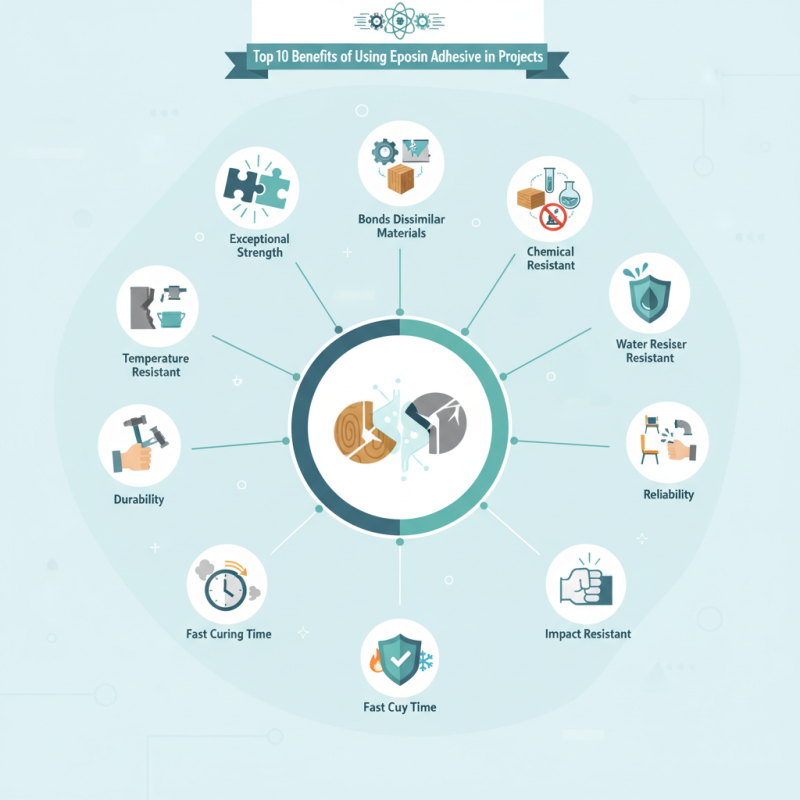
One of the standout features of Epoxy Resin Adhesive is its ability to bond dissimilar materials. From metal and wood to glass and ceramics, this adhesive excels where others often fail. Its resistance to water and chemicals adds another layer of reliability, ensuring your projects withstand the test of time. However, it’s essential to understand the specific requirements for each application. Not every project may benefit from its use, which requires careful consideration.
Moreover, while many users praise its fast curing time and durability, some may find the application process challenging. Precise measurements and mixing are crucial to avoid potential pitfalls. An awareness of these limitations is vital for a successful outcome. Exploring the top benefits of Epoxy Resin Adhesive highlights the reasons behind its popularity, making it a trusted choice in various industries.
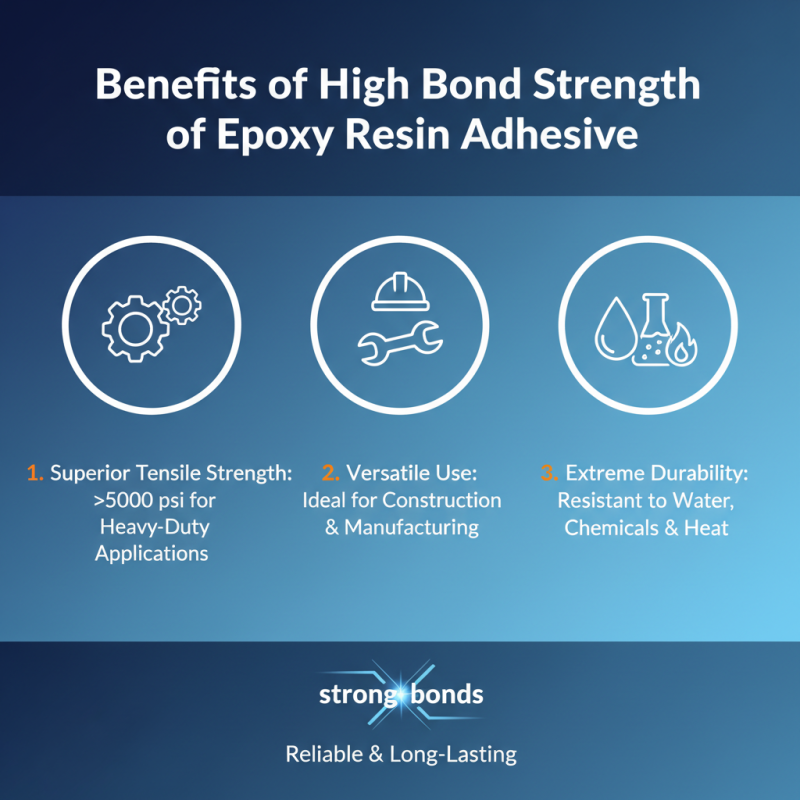
Benefits of High Bond Strength of Epoxy Resin Adhesive
Epoxy resin adhesives are renowned for their high bond strength, making them ideal for various projects. According to industry reports, the tensile strength of epoxy adhesives can exceed 5,000 psi. This makes them suitable for heavy-duty applications in construction and manufacturing. The strong bonds formed by epoxy resins are resistant to water, chemicals, and heat, ensuring durability in demanding environments.
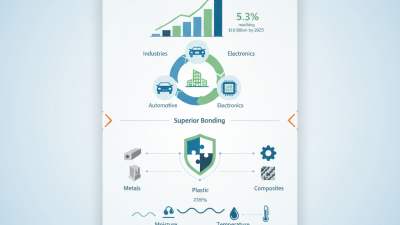
The versatility of epoxy resin adhesives is another key advantage. They can bond different materials, such as metals, glass, and plastics. A study by the American Chemical Society indicates that flexible epoxy formulations maintain bond strength under stress, making them suitable for automotive and aerospace applications. However, users must consider the curing process. Improper mixing or temperature can lead to weak bonds, highlighting the need for careful application.
Despite their strengths, there are challenges. Epoxy adhesive requires a clean surface for optimal bonding. Any contaminants can compromise the bond strength. Also, the curing time can vary, which might impact project timelines. Being aware of these factors is crucial for achieving reliable and long-lasting results.
Versatility in Application across Different Materials
Epoxy resin adhesive shines in versatility, making it a go-to choice for various projects. It adheres firmly to different materials including wood, metal, ceramics, and glass. This adaptability allows both hobbyists and professionals to tackle multiple applications. Whether you are repairing broken furniture or crafting artistic installations, epoxy provides a strong solution.
In addition to its wide-ranging applications, epoxy resin adhesive also offers exceptional durability. It withstands harsh environments, including moisture and temperature fluctuations. This characteristic is vital for outdoor projects. However, not all projects achieve perfect results the first time. Sometimes, misalignment occurs during the initial application. Users must be patient and practice their technique for optimal adhesion.
Moreover, the curing process can vary with conditions. In humid climates, curing may take longer than expected. This unpredictability can be frustrating, but it encourages careful planning. Understanding the setting times ensures that users can adjust their schedules accordingly. Embracing the challenges of working with epoxy may require experience, but the rewards come through perseverance and creativity in material applications.
Top 10 Benefits of Using Epoxy Resin Adhesive in Projects
| Benefit |
Description |
Materials Compatible |
Curing Time |
Durability |
| High Strength |
Provides exceptional bond strength for structural materials. |
Metal, Wood, Glass |
24 hours |
Very durable, resistant to impact. |
| Chemical Resistance |
Resists solvents, oils, and other chemicals. |
Plastic, Metal, Concrete |
48 hours |
Long-lasting and resistant. |
| Versatility |
Can bond a wide range of materials effectively. |
Wood, Metal, Ceramics, Glass |
30 minutes |
Strong bonds across various surfaces. |
| Waterproof |
Impermeable to water, suitable for outdoor use. |
Wood, Concrete, Metal |
1-2 days |
Excellent for moisture-rich environments. |
| Thermal Stability |
Remains stable under temperature fluctuations. |
Metals, Plastics |
Varies by type |
High resistance to heat. |
| Low Viscosity |
Easily penetrates surfaces for better adhesion. |
Concrete, Wood |
20-30 minutes |
Enhanced bonding properties. |
| Impact Resistance |
Withstands shocks and impacts. |
Wood, Metal |
1 hour |
Durable under stress. |
| Aesthetic Finish |
Can be polished to a glossy finish. |
Ceramics, Glass |
4-6 hours |
Provides a professional look. |
| Ease of Use |
User-friendly with simple mixing instructions. |
Various substrates |
10-15 minutes |
Convenient for DIY projects. |
Resistance to Moisture and Chemicals in Various Environments
Epoxy resin adhesives offer exceptional resistance to moisture and various chemicals. This property is crucial for applications in diverse environments, such as construction, automotive, and marine sectors. According to the Adhesives and Sealants Industry, nearly 70% of adhesive failures in projects occur due to inadequate moisture resistance. Choosing epoxy resin can significantly mitigate such failures.
Epoxy resins can withstand exposure to water, oils, and solvents. Studies show that these adhesives maintain their bond strength even after prolonged contact with harsh chemicals. A report from the American Chemical Society emphasizes that epoxy formulations can endure extreme conditions without compromising performance. This durability not only enhances longevity but also reduces maintenance costs.
However, achieving optimal performance requires careful application. Surface preparation is critical for the resin to adhere effectively. Even minor contaminants can hinder the bond. Users often overlook this step, leading to performance issues. A study noted a 30% reduction in adhesive effectiveness due to inadequate surface treatment. Therefore, while epoxy resin adhesives offer substantial benefits, attention to detail is vital for successful results.
Top 10 Benefits of Using Epoxy Resin Adhesive
Easy Mixing and Application Process for DIY Projects
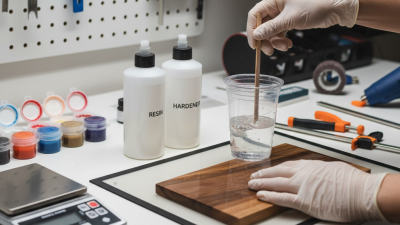
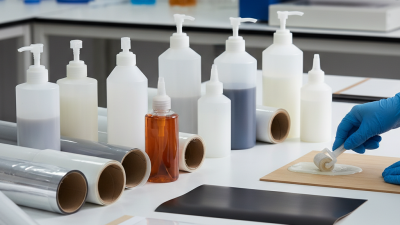
Using epoxy resin adhesive for DIY projects has gained popularity for its practical benefits. The mixing process is straightforward. You simply combine the resin with the hardener in equal parts. This ratio ensures a strong bond. A clean workspace is essential. Without proper cleaning, the adhesive won’t set correctly. Mixing should be done in a well-ventilated area to avoid fumes.
Application is another highlight. Once you mix the components, you have a limited time to use it before it starts to cure. This can be challenging for beginners. To apply, you can use a brush or a spatula. Precision is crucial. Uneven application can lead to weak points. When working on larger surfaces, consider using a roller for an even layer. Be prepared for some trial and error. Each project is different, and perfecting your technique takes practice.
Cleanup can be tedious, especially if resin spills occur. Using disposable tools can simplify the process. However, if something goes wrong, don’t be discouraged. Mistakes are part of learning. Reflect on what could be improved next time. Embracing imperfections can lead to better results in future projects.
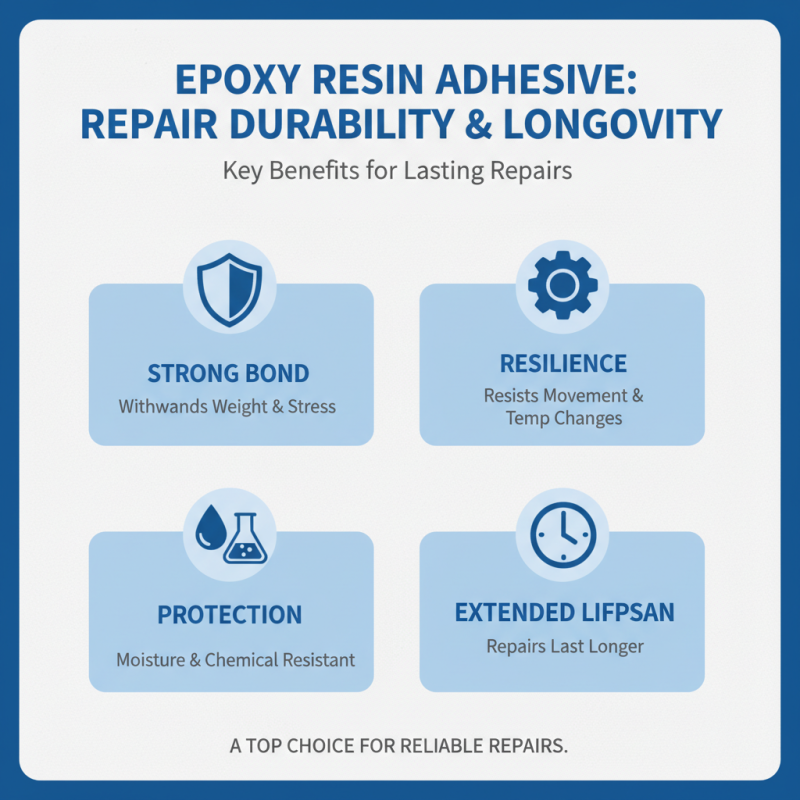
Durability and Longevity of Epoxy Resin Adhesive in Repairs
Epoxy resin adhesive is known for its durability and longevity, making it a top choice for various projects. When making repairs, its strong bond can withstand weight and stress over time. This resilience is crucial in areas prone to movement or temperature changes. Many users appreciate how it holds up against moisture and chemicals, which extends the lifespan of repairs.
However, using epoxy requires attention to detail. Proper surface preparation can significantly impact its effectiveness. Surfaces should be clean and free of debris. Additionally, working in controlled temperatures helps ensure optimal curing of the adhesive.
Tips: Mix epoxy thoroughly to avoid weak spots in your bond. Be mindful of the pot life, the time you have to apply it after mixing. If your project involves vertical surfaces, support may be necessary until the adhesive sets fully. Small mistakes, like improper mixing or uneven application, can lead to repairs that don’t last. Recognizing these factors can significantly enhance the effectiveness of epoxy resin adhesive in your projects.