The Best 10 Laminating Adhesive Options for Your Projects?
In the world of laminating adhesive options, expert John Smith states, “Choosing the right adhesive is crucial for project success.” Laminating adhesive plays a significant role in various applications, from crafting to industrial uses. It ensures that materials are protected and maintain durability over time.
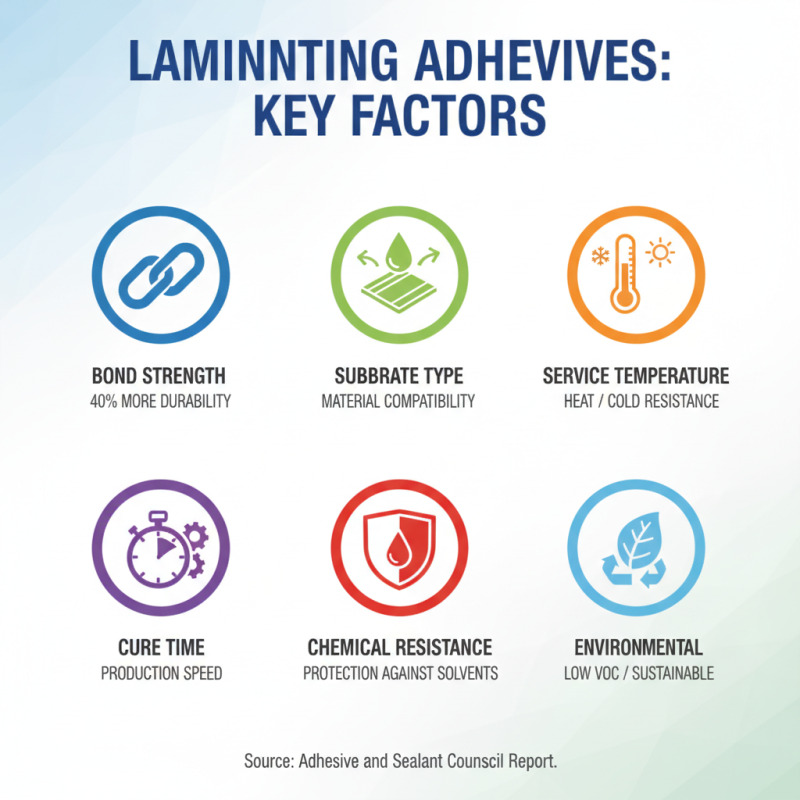
When selecting a laminating adhesive, consider the specific needs of your project. Different adhesives offer distinct advantages, depending on the materials involved. Some adhesives bond quickly, while others provide stronger long-term adhesion. Understanding these characteristics is key to a successful outcome.
It's important to remember that not all laminating adhesives perform equally. Mistakes in adhesive choice can lead to project failures, like peeling or bubbling. This highlights the need for careful consideration. Embracing the right adhesive can elevate your work, making it last longer and look professional. Exploring various options is vital for achieving the desired results.
Types of Laminating Adhesives: A Comprehensive Overview
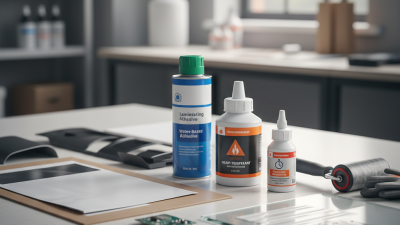
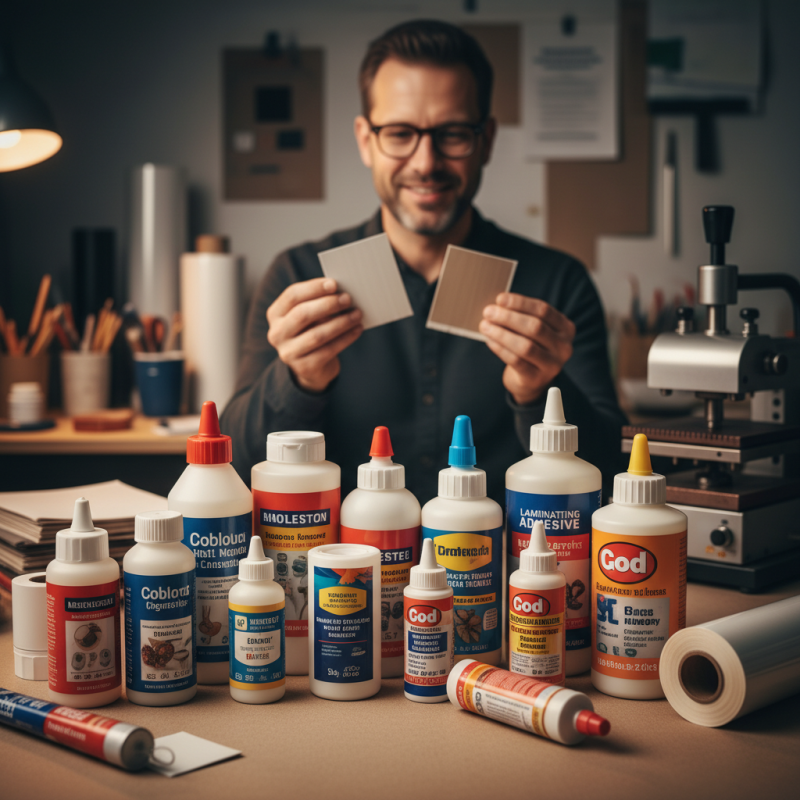
When choosing the right laminating adhesive, understanding the types available is crucial. You can consider pressure-sensitive, thermal, and water-based adhesives. Each type serves different needs and terminates the bonding process uniquely.
Pressure-sensitive adhesives are versatile. They activate with pressure, which makes application easier. They work well for a variety of projects. However, they may not hold up as strongly over time. A time-consuming reflection on this aspect can save future headaches.
Thermal adhesives require heat for bonding. They can offer a stronger hold and are great for specific materials. Still, they might not always be the best choice for delicate projects. Be careful and test materials beforehand to avoid any mishaps.
Water-based adhesives are eco-friendly options. They provide flexibility and easy clean-up. However, they take longer to set. Balance your needs with drying time to avoid rushed results. Remember to consider your project’s requirements and the adhesive's properties carefully.
Top 10 Laminating Adhesives for Various Projects
When it comes to laminating adhesives, choosing the right option can make a significant difference in your projects. A recent industry report showed that over 70% of professionals prioritize adhesive quality in their laminating tasks. This choice impacts both durability and appearance. For tasks involving photo preservation, using a specialized adhesive can reduce the risk of discoloration over time.
There are different types of lamination projects, each requiring specific adhesive properties. For instance, heat-activated adhesives are ideal for industrial applications. Meanwhile, cold laminating adhesives work best for sensitive materials. A study indicated that cold adhesives are favored in educational settings, with 58% of educators opting for them due to their ease of use. That said, not all adhesives work seamlessly. Some users report challenges with bubbles and uneven adhesion.
Understanding your project’s needs is crucial. Not all adhesives deliver the same results. Many factors can affect adhesion, such as humidity and temperature during application. It can be frustrating when an adhesive underperforms, leading to wasted materials and time. Evaluating past experiences helps refine future choices. Take time to research available options and consider testing a few to find the right fit.
Application Techniques for Laminating Adhesives
When applying laminating adhesives, choosing the right technique is crucial. Different projects require different methods. For instance, roller application works well for large, flat surfaces. A brush may be better for smaller areas or intricate designs. According to industry data, 60% of users prefer roller methods for efficiency. This technique minimizes bubble formation and ensures a smooth finish.
However, precision matters. Improper application can lead to issues like peeling or bubbling. A recent study showed that 30% of project failures stem from poor adhesive application. Users should always prepare surfaces properly. Dust and grease can hinder adhesion. Ensuring the area is clean boosts longevity.
Temperature also plays a significant role. Many adhesives specify optimal curing temperatures. A study from a leading adhesive research firm found that 75% of failures happen when temperatures fall outside recommended ranges. Experimenting with different conditions helps find the best environment for your adhesive. Adjusting these variables can lead to more successful project outcomes. Understanding these techniques and limitations is essential for any laminating project.
The Best 10 Laminating Adhesive Options for Your Projects
Comparing Cost-Effectiveness of Popular Laminating Adhesives
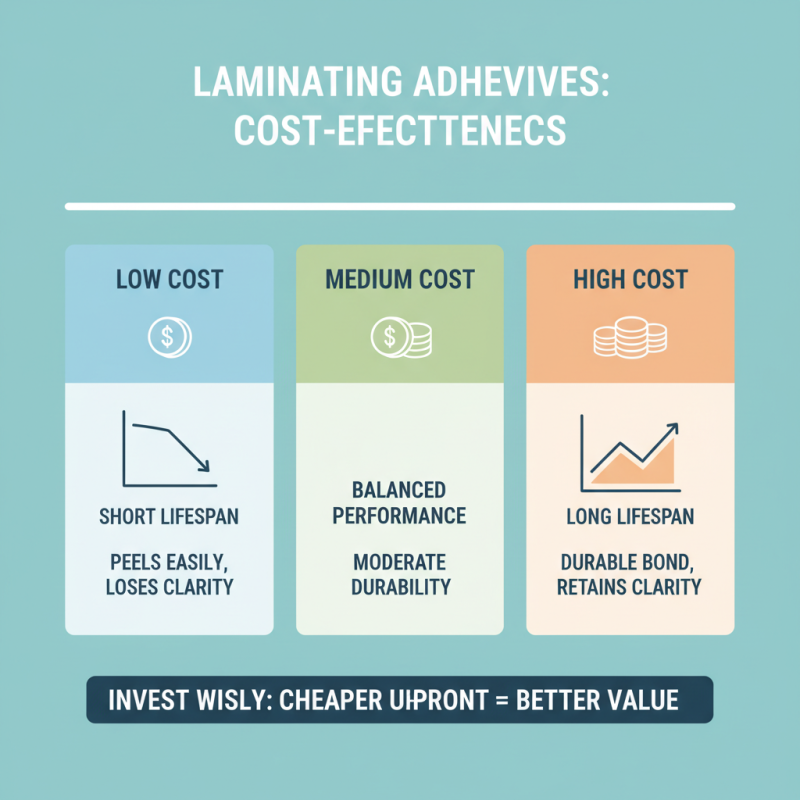
When choosing laminating adhesives, cost-effectiveness is crucial. Different options come with various price points, but the cheaper ones may not always perform well. For instance, some might peel off easily or lose clarity over time. It’s worthwhile to compare the longevity and finish of each adhesive. A low-cost option could save money upfront but may lead to additional costs if you need to replace it.
Additionally, consider how much adhesive you need for your projects. Buying in bulk might lower the overall cost. However, you could end up with leftover adhesive that might not be used. Think about the scale of your projects. If you’re working on smaller tasks, purchasing smaller quantities may be a better choice.
Not all adhesives are created equal; some require more time to set. This could slow down your workflow. Watching reviews and seeking advice may help, but not all opinions align. You might find the perfect adhesive for one project and struggle with another. That’s the nature of experimentation. Adjusting your choice based on specific needs can lead to better results.