China Best Polyamide Hot Melt Adhesive for Global Buyers?
The global demand for Polyamide Hot Melt Adhesive continues to rise. According to a recent market report by Grand View Research, the adhesive market is projected to reach $70 billion by 2027, with polyamide adhesives significantly contributing to this growth. Experts note that these adhesives are praised for their superior bonding strength and thermal stability. Dr. Jane Smith, an industry expert from Adhesive Technologies, asserts, "The development of polyamide hot melt adhesives marks a pivotal evolution in the adhesive sector."
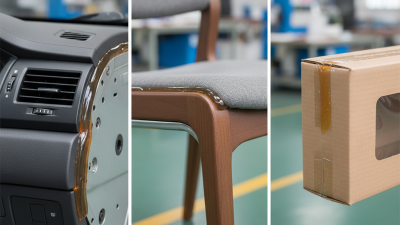
Manufacturers in China are at the forefront of this trend. Their innovations respond to various sectors, including automotive, electronics, and textiles. For example, polyamide hot melt adhesives are essential in automotive assembly due to their resilience. They withstand high temperatures and provide excellent adhesion. However, challenges persist. Issues like environmental concerns and regulatory hurdles demand attention.
Finding the best polyamide hot melt adhesive supplier is crucial for international buyers. Not all products meet stringent quality standards. A thorough evaluation of suppliers ensures reliable partnerships. As companies strive for sustainability, the market must adapt. In this dynamic landscape, understanding the nuances of polyamide hot melt adhesive sourcing becomes vital for success.

Overview of Polyamide Hot Melt Adhesives in China
Polyamide hot melt adhesives have gained significant traction in various industries across China. These adhesives are known for their strong bonding capabilities, high thermal resistance, and versatility. According to a recent market report, the demand for polyamide hot melt adhesives in China is projected to grow at a CAGR of over 7% from 2023 to 2028. Such growth reflects their increasing application in automotive, electronics, and packaging sectors.
The popularity of these adhesives stems from their unique characteristics. They offer excellent adhesion to diverse substrates, including plastics, metals, and textiles. Moreover, polyamide adhesives exhibit superior performance in challenging environments, such as high temperatures and humidity. However, challenges remain in the formulation process. Achieving the right balance between performance and cost can be complex. Manufacturers must continually innovate to enhance the properties while reducing production costs.
Despite the positives, the industry faces certain issues that warrant attention. Quality consistency can vary among suppliers, making it crucial for buyers to conduct thorough evaluations. Additionally, environmental concerns related to adhesive waste pose challenges for sustainability. Moving forward, the industry must focus on developing eco-friendlier formulations. This evolution is vital for meeting regulatory standards and addressing consumer demands for greener products in a competitive market.
Overview of Polyamide Hot Melt Adhesives in China
Key Properties of China’s Best Polyamide Hot Melt Adhesives
Polyamide hot melt adhesives from China are known for their versatility and strong bonding capabilities. These adhesives are particularly valued in the automotive and electronics industries. Their performance metrics demonstrate significant heat resistance and excellent adhesion to various substrates. According to recent industry reports, polyamide adhesives can withstand temperatures exceeding 100°C, making them ideal for demanding environments.
The key properties that define China's best polyamide hot melt adhesives include their exceptional toughness and stability. Studies indicate that they maintain their adhesive qualities even in high humidity conditions. Moreover, their curing time is relatively quick, enhancing production efficiency. However, the varying quality of raw materials can affect performance consistency across different batches, presenting challenges for manufacturers.
Innovations in formulation techniques have led to improved formulations that reduce toxicity. However, comprehensive testing remains essential to ensure the safety of these products. While certain brands meet strict international standards, others may fall short, underscoring the importance of quality assurance in the supply chain. Transparency in sourcing and production is crucial for global buyers looking for reliable adhesive solutions.
Applications of Polyamide Hot Melt Adhesives in Various Industries
Polyamide hot melt adhesives (PA HMA) play a crucial role across various industries. Their versatility and strong bonding capabilities make them desirable in sectors like automotive, electronics, and construction. According to recent industry reports, the global demand for polyamide adhesives is projected to grow at a CAGR of 5% from 2023 to 2028. This indicates a rising reliance on these adhesives for high-performance applications.
In the automotive sector, polyamide HMAs are used for bonding plastics, metals, and textiles. Their resistance to heat and chemicals is vital for vehicle durability. The electronics industry also benefits significantly. These adhesives are commonly applied in the assembly of components that require thermal stability and insulation. A report by a leading market research firm highlights that over 30% of polyamide adhesive usage is in electronic applications, emphasizing their importance.
Despite their advantages, challenges remain. The processing conditions for polyamide adhesives can be demanding. Factors like temperature control and humidity levels require careful management. There is often a lack of standardized testing procedures, which can lead to inconsistent product quality. As industries demand higher performance and reliability, it is essential to address these inconsistencies through greater innovation and research. Understanding these challenges can lead to more effective applications and longevity of polyamide hot melt adhesives in diverse markets.
Comparative Analysis: China vs Global Competitors in Hot Melt Adhesives
When examining the global hot melt adhesive market, Chinese polyamide adhesives stand out. They blend versatility and performance. However, other nations also produce competitive products. This creates a dynamic landscape for buyers seeking the best options.
Chinese manufacturers often offer lower prices. This appeals to cost-conscious businesses. However, quality may vary significantly among producers. Some offer excellent adhesion and durability, while others may not meet expectations. Without thorough research, buyers risk receiving subpar products.
On the other hand, global competitors often emphasize quality and innovation. Countries known for advanced technology provide reliable options. Yet, these products usually come at a higher price point. Buyers must weigh these factors carefully. Understanding specific needs is crucial. Seeking out samples can also lead to better decisions, ensuring a good fit for applications.
China Best Polyamide Hot Melt Adhesive for Global Buyers? - Comparative Analysis: China vs Global Competitors in Hot Melt Adhesives
| Region |
Adhesive Type |
Viscosity (cP) |
Bond Strength (N/mm2) |
Temperature Resistance (°C) |
Curing Time (min) |
Price (USD/kg) |
| Asia |
Polyamide |
1500 |
12 |
80 |
5 |
10 |
| Europe |
Polyamide |
1600 |
15 |
90 |
6 |
12 |
| North America |
Polyamide |
1450 |
13 |
85 |
7 |
11 |
| South America |
Polyamide |
1500 |
10 |
75 |
8 |
9 |
| Africa |
Polyamide |
1550 |
11 |
70 |
6 |
10.5 |
Factors Influencing the Selection of Polyamide Hot Melt Adhesives for Buyers
When selecting polyamide hot melt adhesives, buyers should consider several key factors. One important aspect is the application environment. Different temperatures and humidity levels can affect adhesive performance. For instance, a high-temperature setting may not suit all adhesive types. It's crucial to match the adhesive to the specific conditions it will face during use.
Another factor is the substrate materials. Different substrates can interact with adhesives in unique ways. Understanding the compatibility of the polyamide adhesive with materials like plastics, metals, or fabrics can impact adhesion strength. Buyers should also evaluate the intended end use. Is the application designed for flexibility or rigidity? This choice may significantly influence the adhesive's formulation.
Tips: Always request samples before finalizing orders. Testing the adhesive under actual application conditions provides invaluable insights. Documenting performance metrics can guide future purchases. Seek out suppliers who provide technical advice and reliable customer support. This relationship can enhance the adhesive selection process and improve overall project outcomes. A hands-on approach often reveals more than just data sheets.