10 Best Polyurethane Adhesives for Strong and Durable Bonding Solutions?
In the world of adhesives, the power of polyurethane adhesives cannot be underestimated. As John Taylor, a renowned expert in adhesive technologies, once said, “Polyurethane adhesives offer unrivaled durability and strength.” These adhesives excel in bonding various materials, making them a staple in many industries.
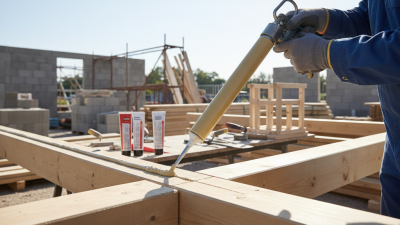
From construction to crafts, they provide flexible and moisture-resistant solutions. The versatility of polyurethane adhesives makes them ideal for different applications. However, choosing the right one can be challenging. There are many products available, each with unique properties.
It’s essential to consider factors like curing time and temperature resistance. Not all polyurethane adhesives are created equal, and sometimes users overlook the importance of specific features. This guide aims to explore the top ten polyurethane adhesives, highlighting their strengths and applications. Making the right choice can ensure a strong, lasting bond in your projects.
Types of Polyurethane Adhesives and Their Applications
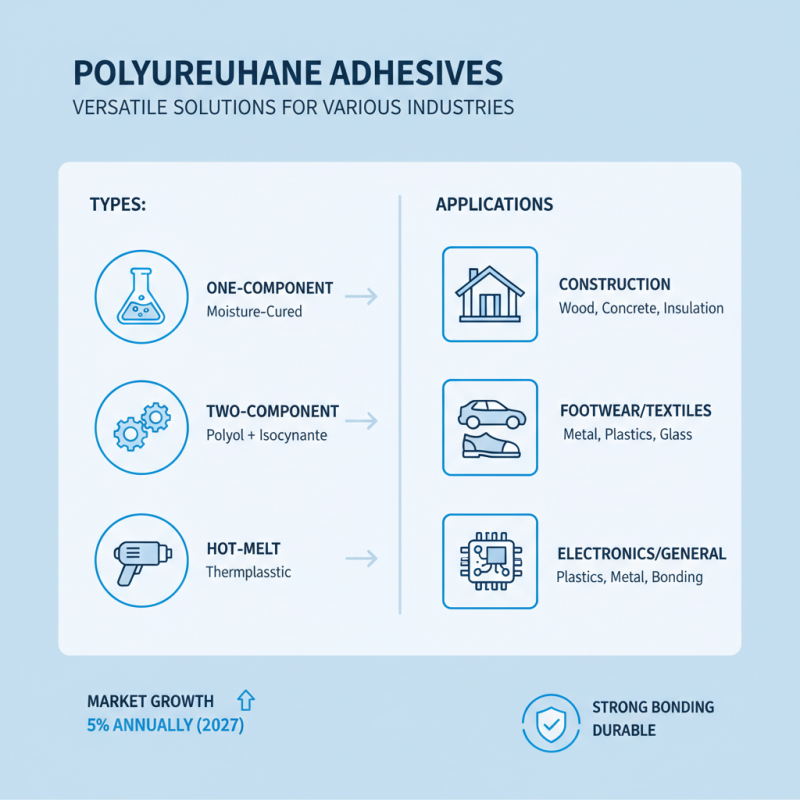
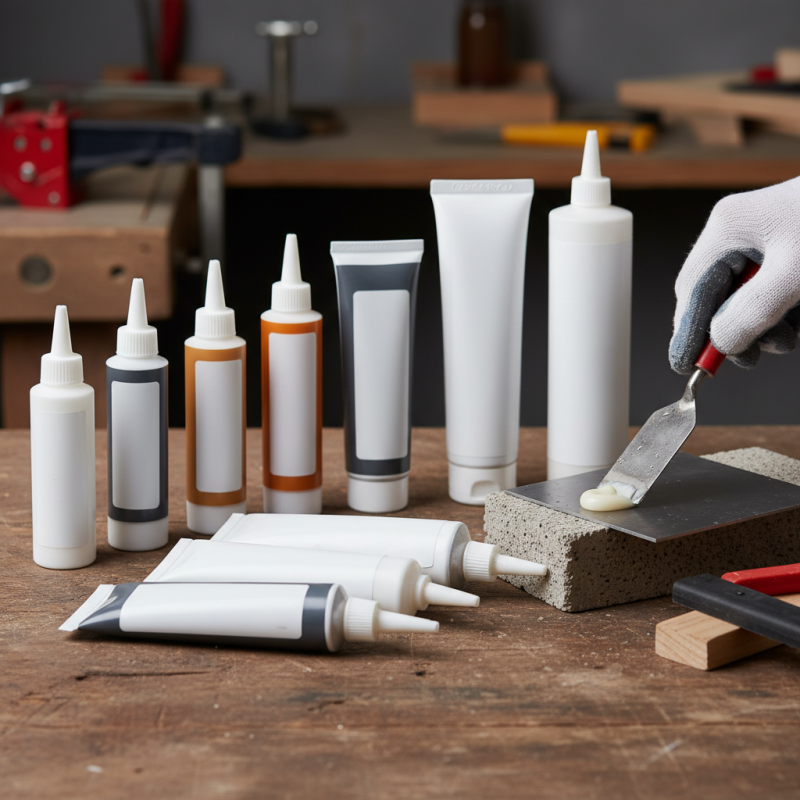
Polyurethane adhesives are versatile solutions in various industries. They bond materials like wood, metal, plastic, and leather effectively. According to a market analysis report, the global demand for polyurethane adhesives is projected to grow at a rate of 5% annually through 2027. This growth indicates their significance in construction and automotive sectors.
Different types of polyurethane adhesives serve specific applications. One-part adhesives are ideal for quick fixes. They cure through moisture from the air. Two-part adhesives offer stronger bonds, as they involve a chemical reaction between components. This type of adhesive is often used in heavy-duty applications, such as in manufacturing and repairing cars. However, users frequently run into issues with curing time and environmental factors affecting performance.
Water-based polyurethane adhesives are becoming popular. They provide a lower toxicity option. Yet, they can have adhesion limitations on non-porous surfaces. It’s essential to choose the right type based on the project needs. While polyurethane adhesives offer strong bonding solutions, challenges remain, such as surface preparation and optimal application conditions. Users must understand these factors to ensure effective usage.
Factors to Consider When Choosing Polyurethane Adhesives
Choosing the right polyurethane adhesive requires careful consideration. One key factor is the material you will bond. Wood, metal, and plastic each demand different adhesive properties. Matching the adhesive to your specific project needs ensures a durable bond.
Tip: Test a small area before full application. This allows you to see how the adhesive interacts with the material.
Another important aspect is the curing time. Some adhesives cure quickly, while others take longer. This could affect your project timeline. Also, consider the environment in which the adhesive will be used. Humidity and temperature can influence adhesive performance.
Tip: For outdoor projects, select adhesives designed to withstand weather changes. This can prevent premature failure.
Lastly, viscosity matters. A thicker adhesive can fill gaps better. However, a thinner adhesive spreads more easily. Finding the right balance can be challenging. Not every adhesive will perform as expected, so measure your choices carefully.
Top 10 Polyurethane Adhesives for Strong and Durable Bonding
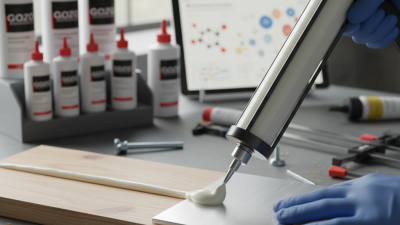
When it comes to finding the right adhesive, polyurethane adhesives stand out for their strength and durability. These adhesives create robust bonds suitable for a variety of materials. They are ideal for woodworking, metalwork, and even some plastics. Their versatility makes them a popular choice among DIY enthusiasts and professionals alike.
Choosing the right polyurethane adhesive can be challenging. Different projects may require different properties. Some adhesives cure faster than others, while some provide better flexibility. It’s essential to consider the environment where the adhesive will be used. Exposure to moisture or extreme temperatures may affect performance. Although many products claim to be waterproof, not all live up to expectations.
Application methods also vary. Some adhesives come in tubes for easy use, while others may require mixing. Users often find themselves confused by the instructions. Knowing the proper ratio for mixing, if necessary, is crucial. Mistakes can lead to weak bonds. It’s a learning process, and sometimes, trying several types ends in frustration. Observing the bond over time can offer insights into what works best for specific tasks.
Top 10 Polyurethane Adhesives Strength Comparison
Comparative Analysis of the Best Polyurethane Adhesives
When selecting polyurethane adhesives, understanding their strengths and weaknesses is crucial. They offer excellent bonding capabilities across various materials, such as wood, metal, and plastic. A key feature is their resistance to moisture and temperature fluctuations, making them ideal for outdoor projects. However, improper application can lead to failures.
Ensuring surfaces are clean and properly prepared can enhance bond strength.
Another important aspect is drying time. Some polyurethane adhesives cure quickly, while others take longer. This can influence project timelines. Additionally, users should be aware of the potential for bubbling during curing. If trapped air is present, it may weaken the bond. Experimenting with application techniques is often necessary. For example, using a brush or nozzle can provide different results.
Safety is also a concern. While many polyurethane adhesives are safe, proper ventilation during use is essential to avoid inhaling fumes. Many people overlook this step, which can lead to health issues over time. Overall, understanding these nuances can guide users to make better choices in their projects, leading to stronger and more durable bonds.
Tips for Proper Application and Use of Polyurethane Adhesives
When using polyurethane adhesives, proper application is crucial. This type of adhesive is known for its strong bonding capabilities and versatility. According to industry reports, polyurethane adhesives can achieve tensile strengths exceeding 3000 psi. However, the effectiveness largely depends on how they are applied.
Surface preparation is key. Clean surfaces should be free of dust, grease, or moisture. A report from the Adhesive and Sealant Council emphasizes that improper surface cleaning can weaken the bond by up to 50%. Consider roughening smooth surfaces for better adhesion. This simple step can greatly improve bonding strength.
Temperature and humidity also play significant roles. Ideally, the application should occur at temperatures between 60°F and 80°F. High humidity can lead to premature curing. Be aware that incorrect application can result in subpar performance. Even experienced users can sometimes overlook these details, so it’s worth double-checking.
10 Best Polyurethane Adhesives for Strong and Durable Bonding Solutions
| Adhesive Type |
Viscosity |
Curing Time |
Max Bond Strength |
Temperature Resistance |
| Flexible Polyurethane |
Medium |
24 hours |
800 psi |
-40°F to 120°F |
| Heavy-Duty Polyurethane |
High |
12-24 hours |
1500 psi |
-30°F to 150°F |
| Foam bonding Polyurethane |
Low |
1 hour |
600 psi |
-20°F to 130°F |
| Wood Adhesive Polyurethane |
Medium |
3-4 hours |
1000 psi |
-10°F to 160°F |
| Fast Cure Polyurethane |
Medium |
30-60 minutes |
1200 psi |
-20°F to 140°F |