What is Casein Glue and How Can it Benefit Your Projects?
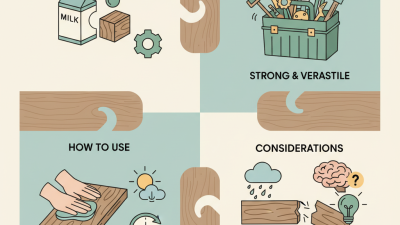
Casein glue, derived from milk proteins, has been used for centuries in woodworking and crafting. Experts, like Dr. Emily Carter, a prominent adhesive chemist, emphasize its unique properties. She states, “Casein glue offers superior bonding for natural materials.” This makes it a favorite among artisans and DIY enthusiasts.
Many projects can benefit from casein glue’s strong adhesion and flexibility. It dries clear, which is ideal for aesthetic purposes. Moreover, it is non-toxic and biodegradable, making it an eco-friendly option. However, using casein glue requires careful handling. It loses effectiveness in high humidity, which can be a concern for some users.
Understanding casein glue's strengths and limitations is key. While it excels in many applications, it may not suit every environment. Experimentation is essential to discover the best uses for your projects. With the right approach, casein glue can become an invaluable tool in your creative toolkit.
What is Casein Glue? Understanding Its Composition and Properties
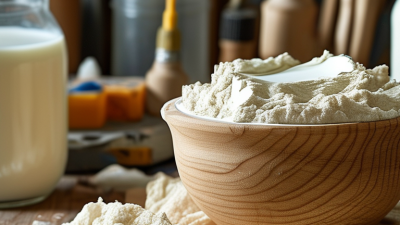
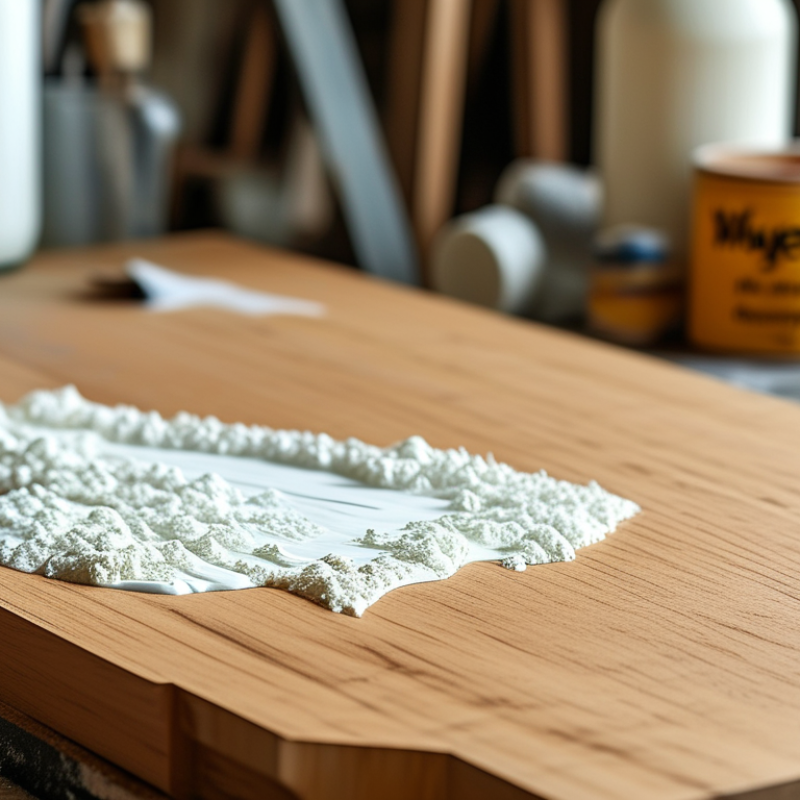
Casein glue is a natural adhesive made from milk proteins. It is known for its strong bonding capabilities. This glue is popular in woodworking and craft projects. Understanding its composition helps users make informed choices. The primary ingredient, casein, is a protein that gives the glue its strength. Often water-soluble, it can be easily cleaned up before drying.
When using casein glue, consider the temperature and humidity. It works best in moderate conditions. A well-prepared surface enhances adhesion. Ensure the surfaces are clean and dry. Casein glue can take time to dry, so plan accordingly.
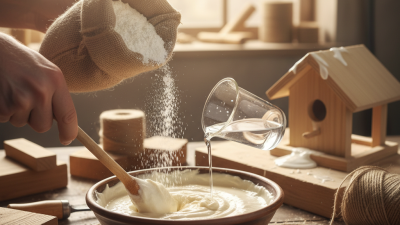
For those new to using casein glue, experiment is key. Test different ratios of glue to water for desired viscosity. This exploration can lead to better results in projects. Be cautious; overusing glue may lead to weak joints. Carefully monitor your application to achieve the best bond possible. The learning process can be challenging, but it is rewarding.
Benefits of Casein Glue in Various Applications
Casein glue is a natural adhesive made from milk proteins and is valued for its strong adhesion, moderate water resistance, and flexibility. This chart illustrates its key properties, showcasing how it stands out compared to synthetic adhesives.
Historical Context: The Use of Casein Glue in Traditional Crafts
Casein glue has a rich history rooted in traditional crafts. First used over 5,000 years ago, artisans relied on this natural adhesive for woodworking and pottery. Historical texts show that ancient Egyptians used casein glue to construct wooden artifacts and furniture. In Europe, during the Renaissance, the method of making casein glue was refined. Craftsmen exploited its excellent bonding properties for intricate designs in furniture and architecture.
Studies indicate that casein glue holds significant advantages. It creates strong bonds on porous surfaces like wood, which is essential in crafting. According to a report from the Wood Adhesives Association, 70% of woodworkers prefer natural adhesives for their superior performance in fine woodworking. However, this glue is not without its challenges. It can be sensitive to moisture, which compromises its durability. Alkaline environments can also weaken its bond strength. Therefore, careful consideration is necessary when selecting casein glue for projects.
The revival of interest in traditional materials has breathed new life into casein glue. Many DIY enthusiasts seek sustainable and non-toxic options. The market for natural adhesives is forecasted to grow by 4.5% annually. This trend reflects a shift towards environmentally friendly practices in crafting. As users explore casein glue, they must weigh its benefits against its limitations. Understanding these nuances is vital for successful application in contemporary projects.
Benefits of Casein Glue in Woodworking and Furniture Making
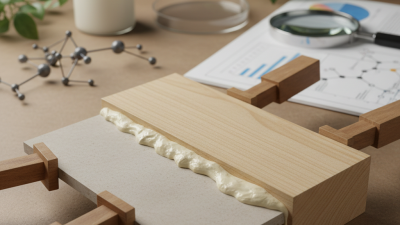
Casein glue, derived from milk proteins, is a natural adhesive that has gained popularity in woodworking and furniture making. It offers several advantages that can significantly enhance your projects. Its ability to bond well with wooden surfaces makes it an ideal choice for creating strong joints. Casein glue is water-resistant once cured, which adds to its durability when used in various furniture applications. Furthermore, it is environmentally friendly, making it suitable for those seeking sustainable options.
Many woodworkers appreciate the working time that casein glue provides. It allows for adjustments during the assembly of pieces. This flexibility is often necessary in fine woodworking, where precision is crucial. However, users should be mindful of the drying time. In cooler environments, it may take longer to set, which can affect project timelines. Knowing this can help you plan accordingly.
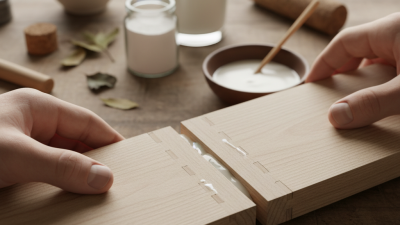
When using casein glue, consider the surface preparation. Clean, dry surfaces promote better adhesion. It is also important to mix the glue properly. Too thick or too thin of a mixture can lead to weak bonds. Finally, storing any leftover glue correctly is essential. Exposure to air can spoil it quickly. Implementing these considerations can lead to successful project outcomes.
Comparative Analysis: Casein Glue vs. Modern Adhesives
Casein glue, derived from milk proteins, is an ancient adhesive with unique properties. This natural glue offers strong bonds for wood, paper, and fabric. In comparison to modern adhesives, casein glue has distinct advantages and challenges. It is non-toxic and biodegradable, making it environmentally friendly. However, it may not hold up well under extreme moisture, unlike some synthetic options.
When considering adhesives for projects, it’s essential to analyze your specific needs. For indoor applications, casein glue can be ideal due to its strong grip and ease of cleanup. But for outdoor projects facing humidity, modern alternatives may be better suited.
In your next project, experiment with both types of glue. Casein's longer drying time allows for adjustments during assembly. However, be aware of its limitations; it may require special storage to prevent spoilage. Evaluate how each type impacts your work and the final product's durability. This can lead to insightful decisions on which adhesive fits best for your unique crafting needs.
What is Casein Glue and How Can it Benefit Your Projects? - Comparative Analysis: Casein Glue vs. Modern Adhesives
| Feature |
Casein Glue |
Modern Adhesives |
| Composition |
Natural protein-based |
Synthetic polymers |
| Setting Time |
Slow (up to 24 hours) |
Fast (minutes to hours) |
| Water Resistance |
Low |
High |
| Flexibility |
Moderate |
High |
| Toxicity |
Non-toxic |
Varies (some may be toxic) |
| Ease of Use |
Requires preparation |
Ready to use |
| Environmental Impact |
Biodegradable |
Often non-biodegradable |
Environmental Impact: The Sustainability of Casein Glue in Projects
Casein glue is an eco-friendly adhesive derived from milk proteins. This natural product stands out in the industry for its low environmental impact. According to a report from the Green Building Council, using casein glue can significantly reduce waste. This glue breaks down easily, leaving a smaller carbon footprint than synthetic options.
The sustainability of casein glue is evident in its production process. It requires less energy compared to traditional adhesives, which often rely on petroleum-based ingredients. A study published in the Journal of Adhesion Science shows that casein glue can reduce greenhouse gas emissions by approximately 30% when used in woodworking projects. This is particularly relevant for those aiming for sustainable building practices.
Despite its many benefits, casein glue does present challenges. It is water-soluble, which can affect its durability in humid environments. Users need to consider suitable applications carefully. While it can bond various materials effectively, its limitations may lead to reflections on its use in specific high-moisture projects. The balance between sustainability and practicality often requires discussion in the crafting community.