How to Choose the Best Organic Silica Gel for Your Needs?
When selecting the best Organic Silica Gel, understanding its features is crucial. Organic Silica Gel has garnered attention for its versatility in various applications. According to a report by the Global Silica Gel Market Analysis, the demand for organic options has increased by over 20% in recent years.
Dr. Lena Fischer, a noted expert in the gel production industry, emphasizes, "The choice of organic silica gel can significantly impact product quality and safety." This statement reflects the shifting focus towards sustainable and non-toxic materials. As the market evolves, consumers are becoming more conscious of the products they use.
However, the abundance of options in this sector can be overwhelming. It's essential to evaluate each product carefully. Look for detailed specifications and certifications to ensure reliability. Understanding the unique characteristics of Organic Silica Gel will help in making an informed decision for your specific needs.
Understanding Organic Silica Gel and Its Benefits
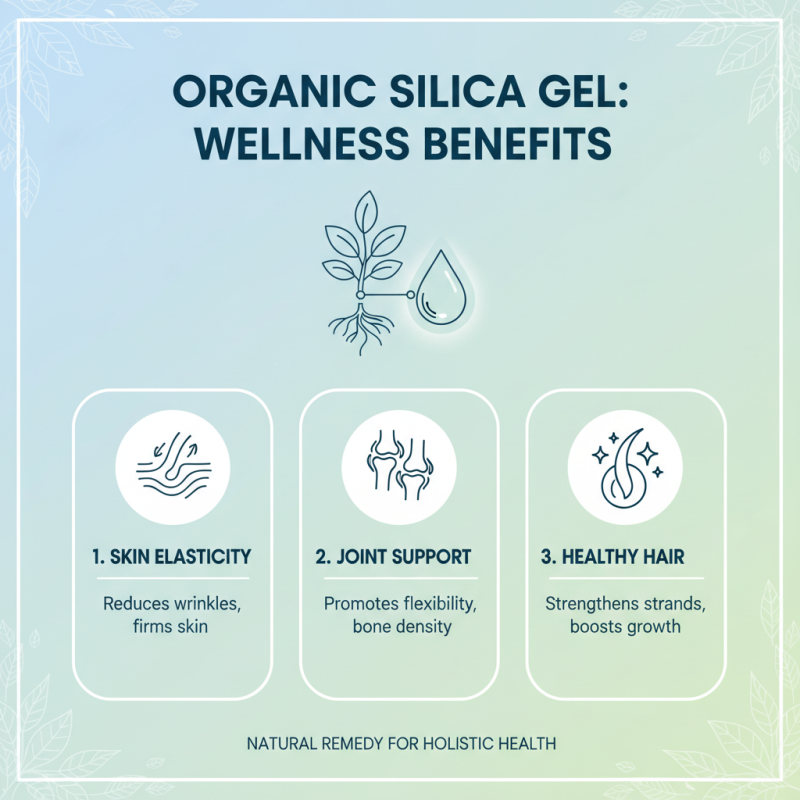
Organic silica gel is a natural substance that offers various health benefits. It's derived from silica, which is found in sand and plants. This material can improve skin elasticity, support joint health, and promote healthy hair. For those seeking natural remedies, organic silica gel stands out as a supportive ally in wellness.
When choosing the right organic silica gel, consider purity and sourcing. High-quality silica gels are free from contaminants and additives. Look for products that provide details about their extraction methods. Transparency is crucial. Check for certifications that validate their organic claims.
Tips: Always read reviews to gauge effectiveness. Ask for recommendations from trusted sources. Avoid products with vague ingredient lists. It's important to reflect on your specific needs before making a purchase. Look for user feedback on potential side effects. The clarity of information can guide you in selecting the best option for your health journey.
Different Types of Organic Silica Gel Available in the Market
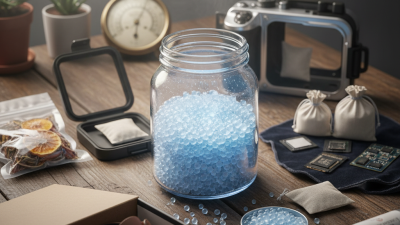
When it comes to selecting organic silica gel, consumers face various options. There are three primary types available: granulated, bead, and powder forms. Granulated silica gel is often used in packaging to control moisture. Beads, on the other hand, are effective in desiccating larger spaces and can last for a considerable time. The powder form is versatile and is popular in agricultural applications.
Data from industry reports indicate that the demand for organic silica gel is growing, especially in sectors such as food packaging and cosmetics. In fact, the market for silica gel is projected to reach $1.5 billion by 2025, reflecting a compound annual growth rate of 5.5%. This growth invites consumers to evaluate their specific needs. Some might prioritize durability and effectiveness, while others may be attracted to natural sourcing.
Users should reflect on their applications carefully. Not all silica gels are created equal. Some may perform better under specific conditions, such as higher humidity or temperature variations. This makes understanding the environmental factors crucial. Ultimately, a consumer's choice may greatly depend on the intended use, sustainability preferences, and cost-effectiveness.
Organic Silica Gel Types and Their Absorption Capacities
Key Factors to Consider When Choosing Organic Silica Gel
When selecting organic silica gel, several key factors come into play. Understanding the source of the silica is crucial. Organic silica gel typically comes from natural processes, ensuring that it is free from harmful additives. Industry reports indicate that products derived from plant-based sources offer superior bioavailability. This means your body can better absorb the silica, maximizing its benefits.
Another important consideration is the particle size. Studies show that smaller particles often lead to increased surface area, enhancing effectiveness. If you are using silica gel for industrial purposes, a smaller particle size might be preferred. However, larger particles can be suitable for larger-scale applications where absorption is less critical. Evaluate the intended use carefully.
Tips: Always look for third-party testing. This guarantees that the product meets safety and quality standards. Pay attention to how the silica gel is packaged as well. Proper packaging protects against moisture, ensuring longevity and effectiveness. Consider user reviews to gauge real-life experiences. This can give insights into performance and reliability.
How to Choose the Best Organic Silica Gel for Your Needs? - Key Factors to Consider When Choosing Organic Silica Gel
| Key Factor |
Description |
Importance Level |
| Purity |
Ensure high percentage of organic silica without harmful additives. |
High |
| Source of Silica |
Identify if the silica is derived from natural plant sources. |
Medium |
| Particle Size |
Consider the size of the particles for specific applications. |
Medium |
| Absorption Capacity |
Check the gel’s capacity to absorb moisture and odors. |
High |
| Applications |
Determine suitable uses such as food, industrial, or cosmetics. |
High |
| Environmental Impact |
Evaluate the ecological footprint of the product. |
Medium |
| Certifications |
Check for organic or quality certifications from recognized bodies. |
High |
How to Assess the Quality of Organic Silica Gel Products
When assessing the quality of organic silica gel products, it’s important to consider several key factors. Look for gels that are derived from natural sources, as this often indicates higher purity. The texture should feel smooth and powdery, without any clumping. This consistency ensures it will perform well in absorption applications.
Tips: Check for certifications. Organic certifications can provide assurance regarding the quality of the product.
Another crucial aspect is particle size. Smaller particle sizes generally enhance the effectiveness of silica gel. Conducting a simple water absorption test can offer insights into its performance. Quality silica gel quickly draws moisture without leaving residue.
Tips: Compare different products. Don’t settle for the first option. Analyze multiple samples to determine which meets your needs.
Lastly, the packaging plays a role. It should be airtight to maintain the silica gel’s effectiveness. If the seal is broken, the quality may degrade. Taking these details into account will guide you in selecting the best silica gel for your specific requirements.
Popular Brands and Their Offerings of Organic Silica Gel
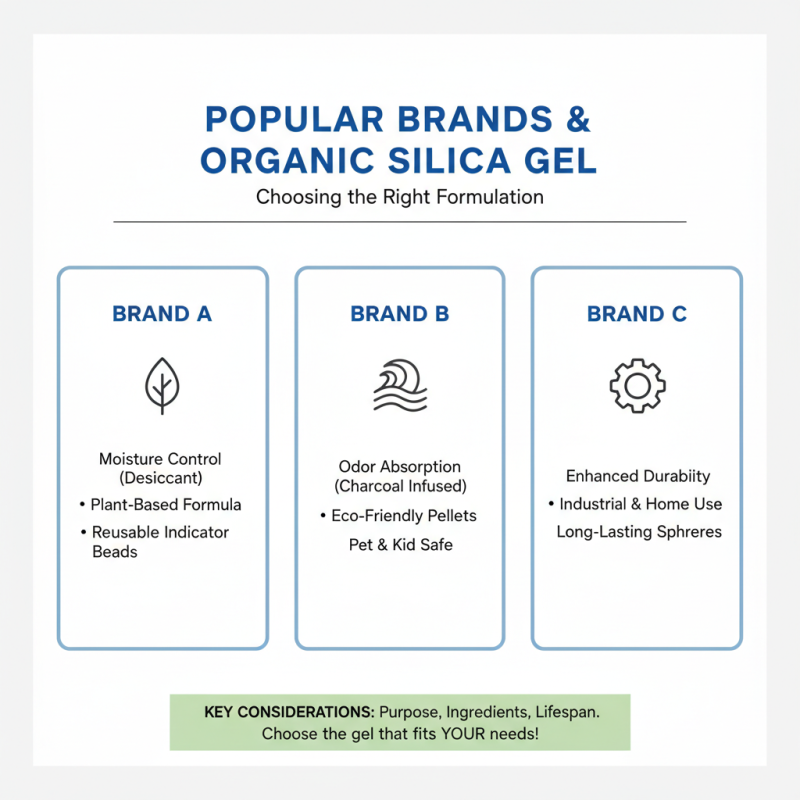
Choosing the right organic silica gel can be challenging, especially with many options available. Popular brands often showcase various formulations tailored to different needs. When exploring these offerings, consider the specific purpose of the silica gel. Some may focus on moisture control, while others prioritize odor absorption or enhanced durability.
It’s important to read the ingredient list. Organic silica gel should derive from natural sources. Often, you’ll find variations that include plant-based materials. Look for transparency in sourcing, as this reflects the brand’s commitment to quality.
Tips: Check for third-party testing results for assurance. It adds a layer of credibility to the product. Evaluate customer reviews to gauge efficacy based on real-life experiences. This insight might reveal strengths and weaknesses you hadn't considered.
Even popular choices can have drawbacks. Some products may not work as effectively in high humidity. Others may lack longevity when used in specific environments. It’s essential to weigh these factors against your specific needs. Ultimately, informed decisions lead to better outcomes in your silica gel purchase.