2026 How to Choose Polyester Hot Melt Adhesive for Your Needs?
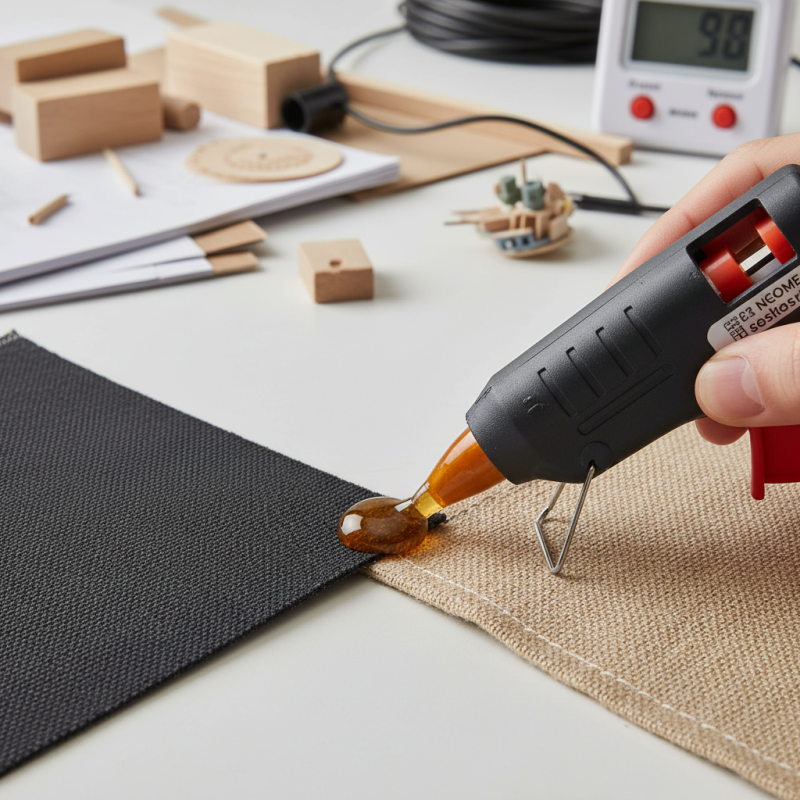
Choosing the right adhesive for your projects can be challenging. Polyester Hot Melt Adhesive is a popular choice for its versatility and ease of use. This type of adhesive is ideal for various applications, from crafting to industrial use. Understanding your specific needs is crucial.
Many factors influence your choice of Polyester Hot Melt Adhesive. For instance, consider the materials you are working with. Some adhesives bond better with specific substrates. It’s also essential to think about the environmental conditions your project might face. Temperature and humidity can affect adhesion.
While Polyester Hot Melt Adhesive provides strong bonds, not every formulation suits every application. Testing a small sample can help you avoid costly mistakes. Reflection on past experiences can guide your choice, ensuring reliability and success in your projects.
Understanding Polyester Hot Melt Adhesive: Key Properties and Applications
When choosing a polyester hot melt adhesive, understanding its key properties is crucial. These adhesives offer excellent bonding strength and flexibility. They can withstand a range of temperatures, making them suitable for various applications. The versatility of polyester adhesives allows them to bond different substrates, such as plastics, metals, and textiles.
Applications vary widely, from packaging to automotive industries. In packaging, they ensure strong seals that resist moisture and handling. In automotive parts, they provide durable bonds that enhance structural integrity. However, not all polyester adhesives are created equal. Performance can vary based on specific project needs. Users must test the adhesive in their environment to ensure suitability.
This exploration of polyester hot melt adhesive highlights the importance of aligning adhesive properties with your project’s demands. It involves careful consideration of factors like curing time and environmental resistance. Even experienced users can face challenges in adhesive selection. Ongoing testing is necessary to improve outcomes and make informed choices. Balancing performance with cost can sometimes lead to compromises, requiring reflection and adjustments.
2026 How to Choose Polyester Hot Melt Adhesive for Your Needs?
| Property |
Description |
Typical Applications |
| Softening Point |
Temperature at which the adhesive becomes soft and workable. |
Packaging, woodworking. |
| Bond Strength |
The force required to break the bond between the adhesive and substrate. |
Automotive, electronics. |
| Heat Resistance |
Ability to maintain bond strength at elevated temperatures. |
Building materials, textiles. |
| Chemical Resistance |
Resistance to degradation from chemicals. |
Food packaging, medical devices. |
| Curing Time |
Time required for the adhesive to fully set and reach optimal strength. |
Assembly lines, furniture production. |
| Viscosity |
Thickness of the adhesive, affecting application methods. |
Coating, laminating. |
Evaluating the Viscosity and Melt Flow Rate for Your Project Needs
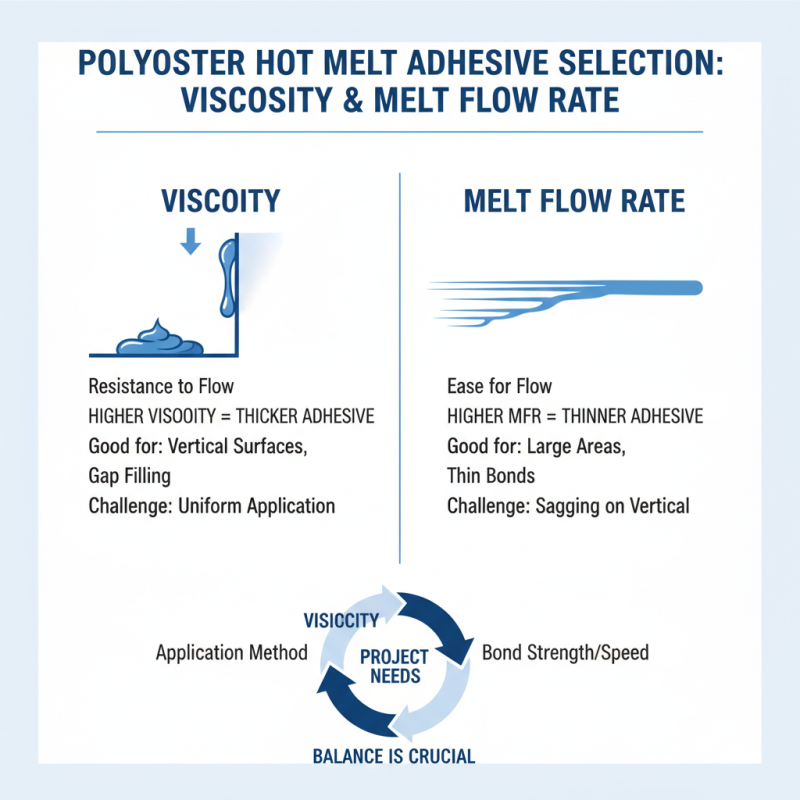
When selecting a polyester hot melt adhesive, viscosity and melt flow rate are crucial. Viscosity measures the resistance to flow. A higher viscosity means a thicker adhesive. This can affect application methods. For instance, thicker adhesives may be better for vertical surfaces. However, they can be harder to apply uniformly. Understanding this balance is vital for your project.
Melt flow rate indicates how easily the adhesive flows when heated. A low melt flow rate will provide better control during application. It often leads to a stronger bond. However, if the flow rate is too low, it may not fill gaps effectively. This could compromise the quality of the bond. It's essential to match these properties with your specific application needs.
Sometimes, choosing the right adhesive feels overwhelming. The options seem endless. It’s worth experimenting with different formulations. Test them in real conditions. You can identify the right viscosity and melt flow rate for your projects. Don't hesitate to adjust your choices based on performance and requirements. This trial-and-error approach can save time and ensure the desired results.
Selecting the Right Heat Resistance for Polyester Adhesives in Specific Environments
When selecting polyester hot melt adhesives, heat resistance is a key factor. Different applications require different heat tolerances. The right adhesive will withstand high temperatures without losing effectiveness. According to a recent report by the Adhesive Manufacturers Association, heat resistance can vary widely, from as low as 60°C to over 200°C. Understanding the specific environment of use is crucial in making the right choice.
In some manufacturing settings, strong exposure to heat can damage weaker adhesives. For example, automotive applications often have materials subjected to high temperatures. Similarly, electronics demand adhesives that can endure elevated heat during operation. If not properly chosen, an unsuitable adhesive can lead to product failures. It's essential that manufacturers conduct comprehensive tests to evaluate the suitability of adhesive in their conditions. Relying solely on data without real-world testing may lead to overlooked vulnerabilities.
Thermal degradation can significantly reduce an adhesive's lifespan. Some adhesives may seem adequate at first but fail under prolonged heat exposure. Users must reflect on past experiences when choosing an adhesive. Engaging with industry reports and case studies can provide insights. Ultimately, selecting the right polyester hot melt adhesive hinges on a careful assessment of heat resistance in your specific application.
Comparing Adhesion Strength Across Various Substrates in Polyester Adhesives
Selecting the right polyester hot melt adhesive requires an understanding of adhesion strength across various substrates. Different materials react differently to adhesives. For instance, polyester bonds well with metal surfaces but may struggle with porous materials. This variation makes testing essential.
When comparing adhesion strength, consider the surface energy of each substrate. Higher surface energy typically provides better adhesion. However, this is not a strict rule. Some situations defy expectations. For example, a treated wood surface can bond exceptionally well with certain polyester adhesives, while untreated surfaces may not.
It's crucial to carry out practical tests. Laboratory conditions don't always reflect real-world performance. Observing failures can often lead to better choices. Each application might reveal new challenges. Understanding these nuances helps in making informed decisions. Test in varying environments to gauge performance accurately.
Adhesion Strength of Polyester Hot Melt Adhesives Across Different Substrates
Assessing Environmental Impact and Compliance of Polyester Hot Melt Options
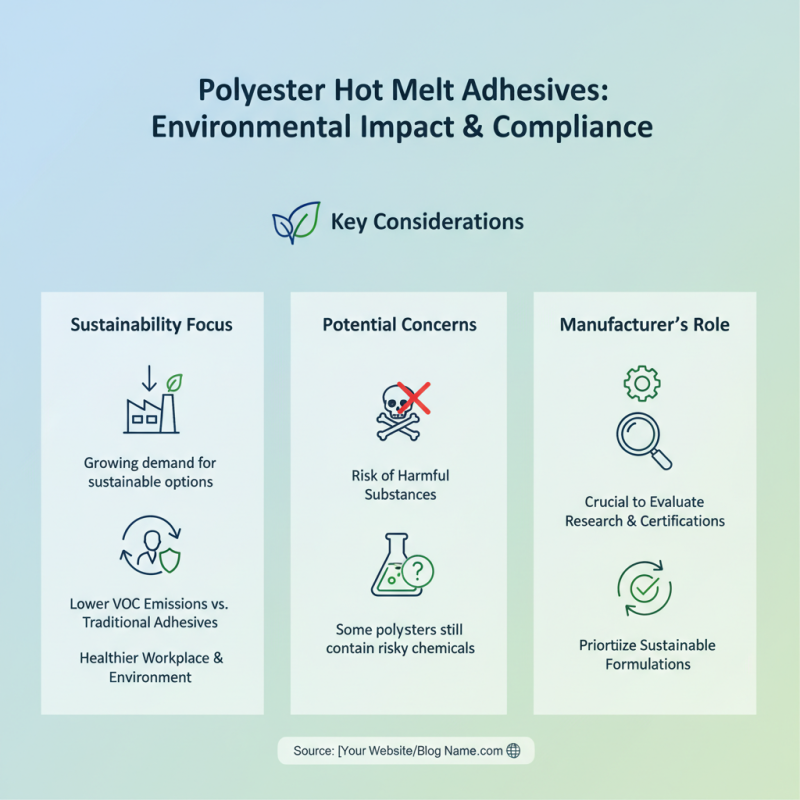
When selecting polyester hot melt adhesives, evaluating the environmental impact is crucial. More manufacturers are focusing on sustainable options. Research indicates that hot melt adhesives can have lower VOC emissions compared to traditional adhesives. This results in a healthier workplace and environment. However, many polyester adhesives still contain substances that may pose risks to human health.
Tip: Always check for certifications. Look for adhesives with environmental certifications, such as GREENGUARD. These labels indicate lower emissions and safer usage.
Understanding compliance is equally important. Polyester adhesives must meet specific regulations. For instance, the European Union's REACH regulation impacts products entering the market. Compliance ensures that the adhesive meets safety standards and minimizes environmental harm.
Tip: Conduct a comprehensive review of your supplier's compliance documents. This transparency can prevent future issues with regulations.
Selecting the right adhesive balances functionality and environmental responsibility. Yet, the industry continues to evolve. A shift toward bio-based alternatives is gaining traction, but challenges remain. Companies must stay informed about innovations in adhesive technology. Continuous research is required to identify the most sustainable options available.