How to Choose the Right Crylate Adhesive for Your Projects?
Choosing the right Crylate Adhesive for your projects can be daunting. The variety of options available often leads to confusion. Renowned adhesive specialist Dr. Emily Thompson suggests, "A well-informed choice is crucial for successful bonding." Her insights highlight the importance of understanding each type of Crylate Adhesive's unique properties.
When selecting a Crylate Adhesive, consider the materials you are working with. Each adhesive has distinct characteristics. Some cure quickly, while others require more time. Your choice can affect the durability and effectiveness of your bonds. It’s essential to evaluate the environment in which the adhesive will be used. Temperature, humidity, and surface conditions play significant roles.
This process can be trial and error. It's beneficial to test a small sample first. Observing how different adhesives react can inform your final decision. Feedback from previous projects can also guide you. Reflecting on past experiences helps in recognizing what works best in specific situations. Ultimately, a thoughtful approach will lead you to the right Crylate Adhesive for your needs.
Understanding Crylate Adhesives: Definition and Types
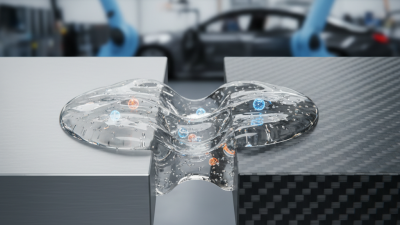
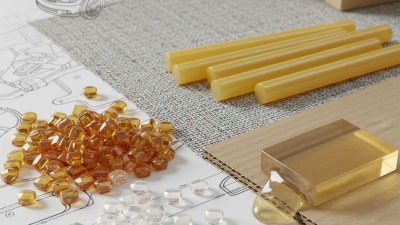
Crylates are versatile adhesives widely used in various industries. Understanding them is essential for selecting the right adhesive for your projects. Crylate adhesives consist of acrylate and methacrylate compounds, known for their fast curing and excellent adhesive properties. Common types include one-component and two-component systems, which vary in application technique and setting time.
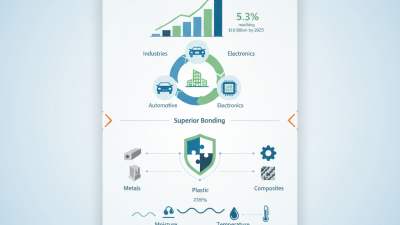
Recent industry reports indicate that the demand for crylate adhesives has increased by over 8% annually, highlighting their effectiveness in bonding different materials. One-component adhesives are easy to use, as they need no mixing. In contrast, two-component systems offer superior strength and durability, making them suitable for demanding applications.
Tip: Evaluate your project’s requirements carefully. Consider factors like bond strength, flexibility, and curing time before choosing an adhesive. Additionally, test the adhesive on sample materials to ensure optimal performance. Remember, sometimes a more straightforward solution might suffice.
Lastly, it's crucial to be aware of potential imperfections in adhesive selection. Not every adhesive works flawlessly in every environment. Factors such as temperature and humidity can greatly affect performance. Always assess the adhesive's specifications and your project's conditions for the best results.
Comparison of Different Types of Crylate Adhesives
This chart compares the tensile strength of various types of crylate adhesives, showcasing their performance in terms of strength measured in megapascals (MPa). Choosing the right adhesive based on these properties is crucial for ensuring the effectiveness of your projects.
Key Properties of Crylate Adhesives to Consider for Projects
When selecting a crylate adhesive, understanding its key properties is crucial. These adhesives are known for their versatility and reliability in various applications. They offer excellent bonding strength, particularly in industrial settings. A study by the Adhesive and Sealant Council reported that crylate adhesives can achieve bond strengths exceeding 3,000 PSI in many materials, including plastics and metals.
Another essential property to consider is the cure time. Many crylate adhesives cure quickly, offering initial tack within minutes. This can significantly enhance productivity in manufacturing environments. However, some projects may require longer working times to allow adjustments. Evaluating the specific needs of each project is vital.
Temperature and moisture can also influence performance, which many users overlook. The thermal resistance of crylate adhesives varies widely. Some formulations can withstand temperatures up to 150°C, while others are optimized for lower ranges. This inconsistency can lead to challenges if not properly assessed.
Additionally, while many crylate adhesives are environmentally friendly, some may emit fumes during application. Users must review safety data sheets for relevant information before use. Ultimately, a careful evaluation of these properties helps in choosing the appropriate crylate adhesive for each unique project.
Evaluating Project Requirements: When to Use Crylate Adhesives
When evaluating project requirements, understanding the specific needs can greatly influence your choice of crylate adhesive. These adhesives excel in versatility. They are ideal for bonding materials like plastic, wood, and even metals. However, temperature and moisture levels can affect performance. Some projects may require quick setting times, while others benefit from extended working periods. Knowing the environment where the adhesive will be used is crucial.
Additionally, consider the physical properties required. For instance, flexibility might be needed in certain applications, while others may demand rigid bonding. Testing a small sample can help you see how the adhesive reacts under different conditions. It is also valuable to review previous projects and their outcomes. A commitment to learning from past experiences can guide better decisions in future applications.
Application Techniques for Optimal Performance of Crylate Adhesives
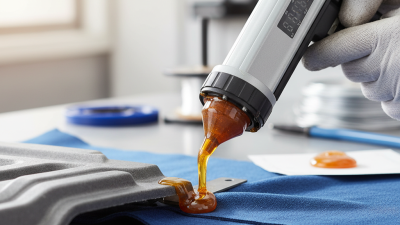
When working with crylate adhesives, application techniques are vital for achieving optimal performance. Proper surface preparation is the first step. Clean surfaces ensure better adhesion. Oils, dust, or moisture can hinder bonding. Always use isopropyl alcohol or a suitable cleaner.
Tip: Test the adhesive on a small area first. This helps confirm compatibility.
Another important technique is to apply uniform pressure during curing. Uneven pressure can lead to weak bonds. Use clamps or weights to maintain consistent contact. The curing time depends on the adhesive and environmental conditions. Monitor to ensure full strength is achieved.
Tip: Be patient with curing times. Rushing can lead to subpar results.
Removing excess adhesive promptly can also enhance the final look of your project. But be careful, as cured adhesive can be stubborn to remove. Matching the adhesive type to your project's requirements is essential for success. Don't overlook these details, as they can significantly impact performance.
Safety and Storage Considerations for Crylate Adhesives
When working with crylate adhesives, safety is paramount. These adhesives can release harmful fumes during application. Make sure to work in a well-ventilated area. A respirator is a good idea for added protection. Eye protection is also essential, as splashes can cause irritation. Always read the safety data sheet (SDS) for specific recommendations. Taking these precautions helps mitigate risks effectively.
Storage plays a critical role in maintaining adhesive integrity. Keep crylate adhesives in a cool, dry place. High temperatures can accelerate curing and reduce the shelf life. Use airtight containers to prevent moisture exposure. Some adhesives may have an expiration date; always check labels. Reflecting on storage practices can prevent unexpected issues in future projects. Proper handling supports safety and prolongs functionality over time.