Top Tips for Choosing the Right Laminating Adhesive?
When selecting a laminating adhesive, the decision can greatly impact your project's success. Laminating adhesives come in various types, each designed for specific applications. Understanding the nuances between these options is essential for achieving durable and high-quality results.
Choosing the right laminating adhesive involves more than just picking a random product. You need to consider the materials you are working with, the environmental factors, and the end use of the laminating. For instance, some adhesives may perform poorly in extreme temperatures. Additionally, user experience often highlights that some adhesives may require specific application techniques, influencing their effectiveness.
In the end, the process of selecting a laminating adhesive can feel overwhelming. Mistakes happen, like choosing an adhesive that does not bond well or bubbles during application. Reflecting on past projects can guide your current decisions. Ultimately, the right choice enhances both appearance and functionality, ensuring your work stands the test of time.
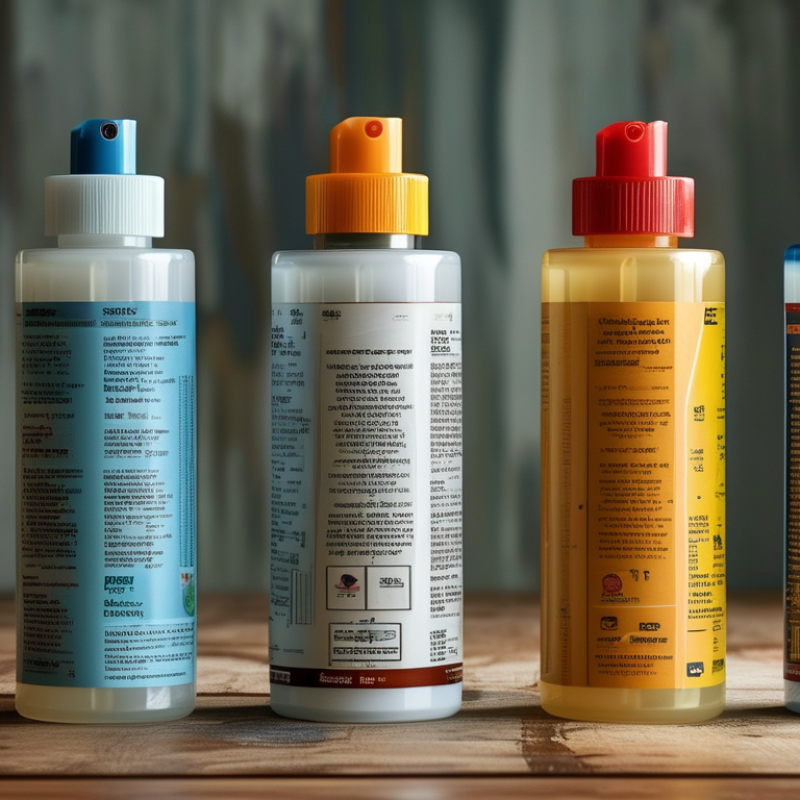
Understanding the Different Types of Laminating Adhesives
When selecting the right laminating adhesive, it's essential to understand the various types available. A major category is solvent-based adhesives. They are often praised for their durability and resistance to water. A report by the Adhesive and Sealant Council indicates that over 50% of lamination applications utilize solvent-based solutions. These adhesives provide excellent bonding for substrates, but they may release volatile organic compounds (VOCs) during application, raising environmental concerns.
Water-based adhesives are another significant option. They are considered more eco-friendly due to their lower VOC emissions. Data from the American Coatings Association shows that the market for water-based adhesives has grown by 30% in recent years, reflecting a shift in consumer preferences. While they are easier to clean and apply, their bonding strength might not match that of solvent-based adhesives in some applications.
Hot melt adhesives are yet another choice worth considering. These adhesives are applied in a molten state, providing a rapid setting time. Industry analysts suggest that hot melt adhesives have increased in popularity, accounting for about 25% of the laminating adhesive market. Their use allows for quick production processes, but it's important to note that they may not perform well in high-temperature environments. Understanding these distinctions enables informed decisions for your laminating needs.
Top Tips for Choosing the Right Laminating Adhesive
| Type of Adhesive |
Properties |
Best Use Case |
Curing Time |
Temperature Resistance |
| Cold Laminating Adhesive |
No heat required, flexible |
Photos, documents |
Immediate |
Up to 70°C |
| Heat Laminating Adhesive |
Requires heat, durable finish |
ID cards, menus |
1-3 minutes |
Up to 120°C |
| Pressure-Sensitive Adhesive |
No heat, repositionable |
Posters, signage |
Immediate |
Up to 60°C |
| Solvent-Based Adhesive |
Strong bond, dries quickly |
Heavy duty applications |
10-30 minutes |
Up to 85°C |
Key Factors to Consider When Choosing Laminating Adhesives
When selecting a laminating adhesive, several key factors come into play. Understanding the substrate is crucial. Different materials, like paper or plastic, interact differently with adhesives. A report by the American Adhesives Association indicates that mismatched combinations can lead to adhesion failure in 20% of projects. It’s vital to know which adhesive type complements the substrate best.
Another important factor is the adhesive's curing time. Many users overlook this aspect, leading to delays in their projects. A faster curing time can increase efficiency, while longer curing times may allow for more flexible adjustments. Data suggests that about 30% of users experience operational inefficiencies due to misjudgment in curing times.
Temperature and humidity can also affect adhesive performance. Some adhesives may lose their effectiveness in extreme conditions. Research from the Adhesive Application Institute highlights that 15% of adhesive failures are due to environmental factors. Understanding these nuances can lead to better outcomes in laminating projects.
Evaluating the Performance Characteristics of Laminating Adhesives
When evaluating the performance characteristics of laminating adhesives, consider factors like
bond strength, temperature resistance, and
drying time. Strong bond strength ensures that materials stick together securely.
Temperature resistance is crucial for items exposed to heat. An adhesive's drying time will affect your workflow efficiency;
faster drying means quicker project completion.
One tip is to test different adhesives on the materials you plan to laminate. Not every adhesive will work well with every combination.
You may find that some adhesives perform better in specific conditions. Consider the environment where the finished product will be used.
High humidity or extreme temperatures
can influence the adhesive's effectiveness.
Another important aspect is the ease of application. Some adhesives require special tools or conditions, while others are straightforward.
Make sure to read instructions carefully. A poorly chosen adhesive can lead to delamination or bubbles under the laminate.
Reflect on your needs and test various options to find the right balance for your projects. Each adhesive provides unique characteristics
that may or may not suit your requirements.
Application Techniques for Effective Laminating Adhesive Use
When selecting a laminating adhesive, understanding application techniques is crucial for optimal results. For instance, the temperature at which the adhesive is applied can greatly affect adhesion quality. A recent report by the Adhesive and Sealant Council noted that improper application can result in adhesion failures up to 30%. Using a controlled environment during application helps to prevent such issues.
Tip: Always ensure surfaces are clean and dry before laminating. Any dust or moisture can weaken the bond. A visual inspection is recommended for surfaces to avoid oversights. Different materials require different techniques; for instance, porous surfaces need more adhesive than non-porous ones.
Moreover, consider the curing time. High humidity can elongate this time, affecting project timelines. The American Institute of Chemical Engineers states that faster curing adhesives can sometimes offer better initial adhesion. However, they may not always be the best for long-term durability. Take time to test samples before full application.
Tip: Experiment with small batches to validate your chosen technique. Every setup is unique. Observing performance over time can reveal unexpected weaknesses or strengths, guiding future applications.
Safety and Environmental Considerations for Laminating Adhesives
When selecting laminating adhesives, safety and environmental considerations are crucial. Many adhesives contain harmful chemicals. These can pose health risks during application. Choosing biodegradable options can greatly reduce environmental impact. Always check for non-toxic labeling. This ensures better safety for users and the planet.
Tips for choosing the right adhesive often include evaluating product specs. Look for VOC levels, as low levels indicate a safer product. Good ventilation during application is advised. It can prevent inhalation of fumes. Also, consider the end use of your materials. Some adhesives may not withstand certain temperatures or humidity.
Using adhesives that adhere to safety standards is essential. It's not just about performance; it's also about responsibility. Regularly revisiting your choices and staying updated can enhance both safety and environmental impact. Each selection is a chance to reflect on your values and practices.