10 Essential Tips for Using Polyamide Hot Melt Adhesive Effectively?
In the world of adhesives, Polyamide Hot Melt Adhesive stands out for its versatility and strength. Industry expert Dr. Emily Carter, a leading figure in adhesive technology, states, "Mastering the use of Polyamide Hot Melt Adhesive can redefine bonding standards in manufacturing." Her insight emphasizes the adhesive’s critical role in various industries.
Effectively utilizing Polyamide Hot Melt Adhesive requires a deep understanding of its properties and applications. One must consider factors such as temperature control and surface preparation. Using the right techniques can enhance bond strength and durability. However, practitioners often overlook these details, leading to suboptimal results. It’s essential to reflect on these aspects for better outcomes.
Adopting best practices can significantly improve the performance of Polyamide Hot Melt Adhesive. For example, pre-heating surfaces before application can enhance adhesion. Yet, many users fail to follow this step. Learning from both successes and mistakes will foster better practices and enhance the efficiency of adhesive use in their projects.
Understanding Polyamide Hot Melt Adhesive: Properties and Applications
Polyamide hot melt adhesives (PHMA) play a crucial role in various industries. These adhesives are known for their excellent thermal stability and mechanical properties. They are widely used in electronics, automotive, and textile industries. According to a report by the Global Adhesives Market, the demand for hot melt adhesives is projected to grow at a CAGR of 6.5% from 2021 to 2028. This growth is driven by their versatility and strong bonding capabilities.
The key properties of polyamide hot melt adhesive include high strength and flexibility. It adheres well to various substrates, making it ideal for demanding applications. Interestingly, PHMA also offers resistance to heat and chemicals. However, some challenges exist. For instance, the adhesive can become brittle under low temperatures, impacting performance. Users must carefully assess their specific needs when selecting this adhesive. The potential for surplus adhesive application in manufacturing can lead to waste, affecting overall efficiency.
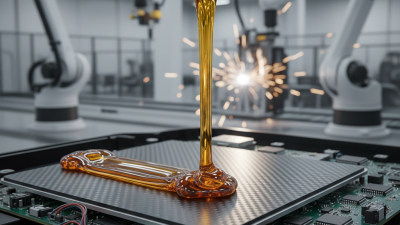
In electronics, PHMA supports the assembly of components requiring precise bonding. In textiles, it enhances durability and flexibility, adding value to the end product. Industry data suggest that the automotive sector accounts for a significant share of PHMA use, reflecting its pivotal role. However, improper handling can compromise its effectiveness, highlighting the need for training in adhesive application techniques. Understanding the unique properties of polyamide hot melt adhesive leads to better outcomes across various applications.
Polyamide Hot Melt Adhesive: Application Effectiveness
Choosing the Right Polyamide Hot Melt Adhesive for Your Project
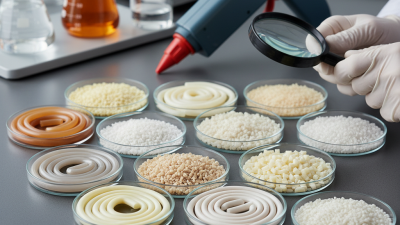
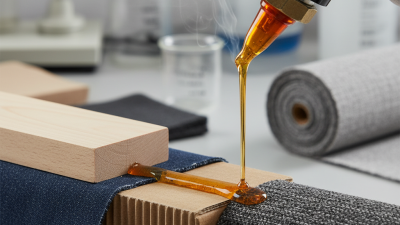
Choosing the right polyamide hot melt adhesive for your project is crucial. Many factors can impact the performance of the adhesive. Polyamides come in various formulations, each suited for different materials and conditions. Consider the surfaces you are bonding. Different materials can require specific adhesive types for optimal adhesion.
Evaluate the thermal properties of the adhesive. Some projects may involve exposure to high temperatures or variable climates. You need an adhesive that can withstand these conditions. The viscosity of the adhesive is also important. A thicker adhesive may work better for vertical applications, while a thinner one might suit smaller gaps.
Testing is vital. Don't hesitate to conduct small-scale trials before full application. Sometimes, the initial product choice may not yield desired results. Learn from these experiences and adapt your selection process. Lastly, pay attention to the working time and setting speed of the adhesive. These factors can significantly affect your project's efficiency.
Prepping Surfaces for Optimal Adhesion with Polyamide Hot Melt Adhesives
Prepping surfaces for optimal adhesion is critical when using polyamide hot melt adhesives. The effectiveness of the adhesive largely depends on the preparation work before application. Start by cleaning the surfaces thoroughly. Remove any dust, oil, or grease. Even minor contaminants can jeopardize the bond. Sometimes, a simple wipe isn’t enough. Consider using solvents if necessary.
Additionally, roughening smooth surfaces can significantly improve adhesion. Use sandpaper or a suitable abrasive to create texture. This method increases the surface area for the adhesive to grip. However, ensure that the surface isn't damaged. Excessive abrasion can lead to weak bonding points.
Another point to remember is moisture. Ensure surfaces are dry before applying the adhesive. Even a small amount of moisture can compromise the bond strength. Additionally, the ambient temperature can affect adhesion. It’s advisable to work within the recommended range for optimal results. Being mindful of these details can make a significant difference in your bonding outcomes.
Applying Polyamide Hot Melt Adhesive: Techniques for Best Results
Polyamide hot melt adhesive is a versatile bonding solution. To achieve the best results, technique plays a crucial role. One effective method involves surface preparation. Ensure that the surfaces are clean and dry. Contaminants can hinder adhesion quality significantly.
Temperature control is another key aspect. The adhesive should be heated adequately. Too low a temperature can result in weak bonds. Conversely, overheated adhesive can degrade in performance. Testing small batches helps in finding the right balance.
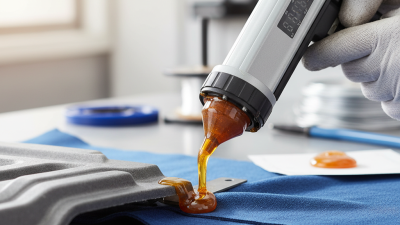
Application techniques vary based on materials. For example, even pressure is critical when joining different surfaces. Consider using a nozzle or applicator for precision. This reduces excessive amounts and minimizes waste. Mistakes are part of the learning curve. Regular practice leads to improved consistency.
Curing and Storing Polyamide Hot Melt Adhesive for Longevity and Efficiency
Curing and storing polyamide hot melt adhesive properly can significantly enhance its performance and lifespan. Research indicates that improper storage can lead to a reduction in adhesive effectiveness by up to 30%. To ensure optimal curing, maintain a temperature between 160°C and 180°C during application. This range allows for a complete melt flow, which is critical for adhesion strength.
Humidity plays a crucial role in the curing process. A relative humidity of 40% to 60% is ideal; anything outside this range can lead to moisture absorption. This absorption can affect adhesion properties and result in adhesive failure. Regularly monitoring these conditions is vital for successful applications.
Once you open a polyamide hot melt adhesive, the clock starts ticking. Always reseal containers tightly to protect against environmental influences. Store the adhesive in a cool, dry place away from direct sunlight. Extended exposure to adverse conditions can degrade the adhesive, impacting its reliability in critical applications. Awareness of these factors can help maintain the adhesive's efficacy and ensure better long-term performance.
10 Essential Tips for Using Polyamide Hot Melt Adhesive Effectively
| Tip Number |
Tip Description |
Curing Method |
Storage Conditions |
Shelf Life |
| 1 |
Ensure surface cleanliness before adhesive application. |
Heat activation required. |
Store in a cool, dry place. |
12 months |
| 2 |
Use appropriate temperature settings for application. |
Apply between 180-210°C. |
Seal tightly after opening. |
6 months |
| 3 |
Mix adhesive if required to uniform consistency. |
Let sit for few minutes. |
Avoid moisture exposure. |
15 months |
| 4 |
Apply even pressure during bonding to avoid air pockets. |
Cure at room temperature for 24 hours. |
Keep in original packaging. |
2 years |
| 5 |
Test adhesion properties before full-scale use. |
N/A for testing. |
Store away from direct sunlight. |
1 year |
| 6 |
Avoid using expired adhesive for critical applications. |
Immediate use recommended. |
Do not freeze. |
6 months post-expiry |
| 7 |
Store adhesive away from volatile chemicals. |
Use during initial heat cycles. |
Climactic controlled. |
18 months |
| 8 |
Follow manufacturer application guidelines. |
Refer to product datasheet. |
Avoid temperature fluctuations. |
Variable based on formulation |
| 9 |
Perform routine maintenance on application equipment. |
Regular cleaning needed. |
Store in dry containers. |
12 months |
| 10 |
Consult a technical expert for complicated applications. |
Evaluate based on bond requirements. |
Cool down before sealing. |
Up to 3 years |