10 Essential Tips for Using SBS Adhesive Effectively?
SBS Adhesive is a versatile and reliable bonding solution widely used in various industries. Its unique properties make it an ideal choice for both professionals and DIY enthusiasts. However, to maximize its effectiveness, knowledge is essential.
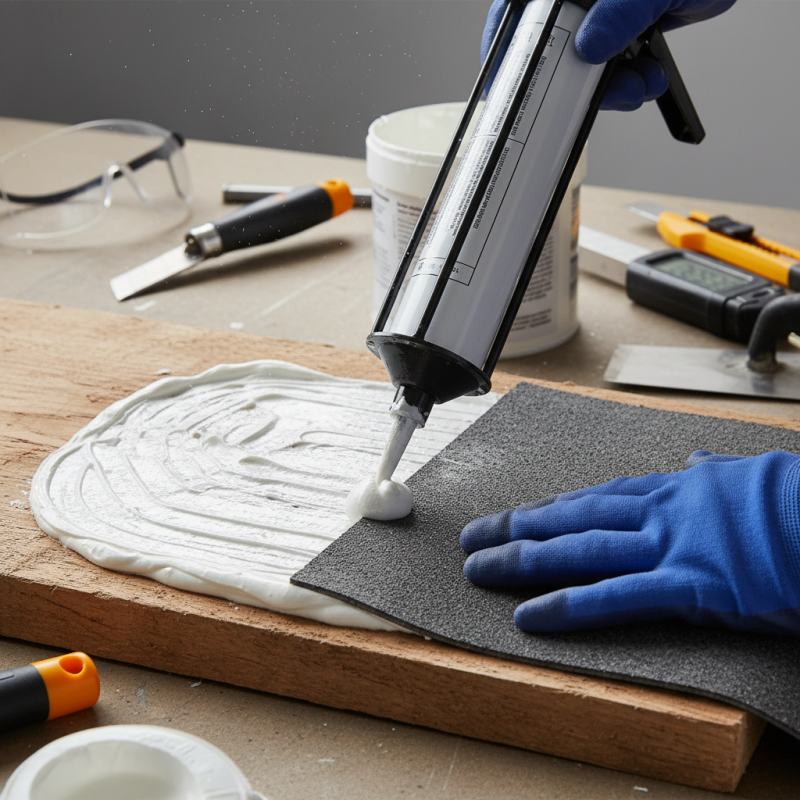
Understanding how to use SBS Adhesive can greatly enhance your projects. For instance, ensuring the surfaces are clean and dry can lead to stronger bonds. It’s also important to apply the adhesive evenly to prevent weak spots. Many users overlook these details, which can result in less-than-ideal adhesion.
Improper handling of SBS Adhesive can lead to frustrating outcomes. On the other hand, practicing a few essential tips can yield satisfying results. Remember to allow adequate curing time after application. This small detail can significantly impact the durability of your work. With these insights, you will be better equipped to utilize SBS Adhesive effectively.
Understanding SBS Adhesive: Properties and Benefits
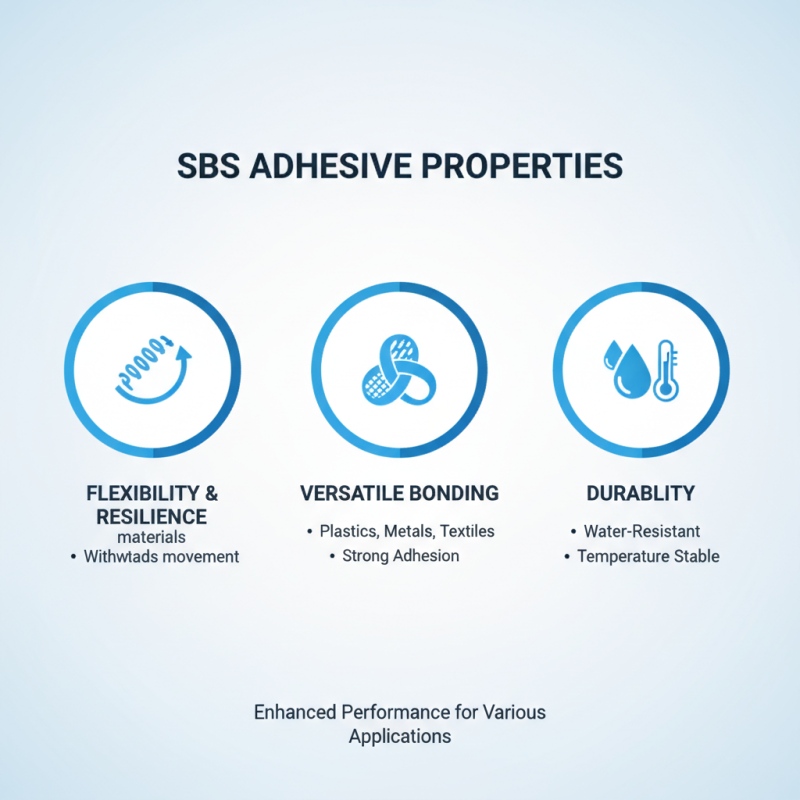
SBS adhesive, a popular choice in various applications, has unique properties that enhance its bonding capabilities. Its flexibility and resilience make it ideal for materials that experience movement. This adhesive works well on surfaces like plastics, metals, and textiles. It offers strong resistance to water and temperature changes, which are vital for durability. Understanding these properties can lead to better application outcomes.
However, using SBS adhesive requires specific techniques. The surface must be clean and free of dust. A roughened surface promotes better adhesion. Over-application can lead to ineffective bonding and wasted material. Users often underestimate the curing time, resulting in premature use. Observing the recommended curing conditions is crucial for optimal performance. It might seem tedious, but patience pays off.
Despite these advantages, SBS adhesive can be tricky. Environmental factors like humidity can affect the bond strength. Some users report challenges with peel strength under certain conditions. Experimenting with different substrates may also lead to varied results. It’s essential to test a small area before committing. This process helps in identifying potential issues early on.
Preparing Surfaces for Optimal SBS Adhesive Bonding
Preparing surfaces properly is crucial for optimal SBS adhesive bonding. Clean surfaces enhance adhesive performance. According to a study by the Adhesive and Sealant Council, up to 80% of bonding failures stem from inadequate surface preparation. Dust, grease, or moisture can impede adhesion.
Begin with thorough cleaning. Use solvents or specialized cleaners to remove contaminants. Dry the surface completely post-cleaning. Moisture can dilute adhesive effectiveness. Surface roughness also plays a role; smoother surfaces may not bond as effectively. Consider sanding or etching surfaces to increase adhesion area.
An often overlooked factor is temperature. Adhesives have optimal temperature ranges for application. For SBS adhesives, this range is typically between 15°C and 25°C. Too cold or too hot can compromise bond strength. Be mindful of environmental conditions. Lastly, testing small areas before large applications is advisable. This step can identify potential pitfall areas that may affect the final bond.
10 Essential Tips for Using SBS Adhesive Effectively
Application Techniques for Effective SBS Adhesive Use
When applying SBS adhesive, precision is key. Proper surface preparation is crucial. Ensure surfaces are clean and dry. Dust, grease, or moisture can ruin adhesion. Studies show that over 70% of adhesive failures occur due to improper surface conditions. Use a mild solvent to wipe surfaces, but ensure they dry completely before application.
Applying SBS adhesive requires the right technique for the best results. Use a consistent, even layer. A thick layer may seem appealing, but it can lead to improper bonding. An optimal thickness of about 2 to 3 mm is often recommended. Keep an eye on the ambient temperature and humidity as they affect curing times. Many professionals overlook these factors, leading to disappointing outcomes. Do not apply if conditions are not ideal.
Once applied, allow adequate time for curing. It’s easy to be impatient, but rushing this step can weaken the bond. Some reports indicate that only 60% of users allow sufficient curing time. This negligence can result in premature failure of the bond. Always refer to application guidelines specific to your project. In the end, attention to detail matters greatly in achieving success with SBS adhesive.
10 Essential Tips for Using SBS Adhesive Effectively
| Tip Number |
Application Technique |
Description |
Best Practices |
| 1 |
Surface Preparation |
Ensure all surfaces are clean and dry before application. |
Use solvent or a lint-free cloth to remove oils and dust. |
| 2 |
Stable Temperature |
Apply adhesive within recommended temperature range. |
Ideal temperature is usually between 60°F and 80°F. |
| 3 |
Even Application |
Apply adhesive evenly to avoid weak spots. |
Use a roller or brush for uniform distribution. |
| 4 |
Proper Curing Time |
Allow adequate curing time before putting stress on the bond. |
Follow manufacturer's instructions on curing time. |
| 5 |
Volume Control |
Use the right amount of adhesive based on the material. |
Avoid over application to prevent mess and waste. |
| 6 |
Ventilation |
Ensure proper ventilation during application to avoid inhaling fumes. |
Work in a well-ventilated area or use respiratory protection. |
| 7 |
Test Before Full Application |
Conduct a test on a small area to check for compatibility. |
Look for adverse reactions before full application. |
| 8 |
Storage Conditions |
Store adhesive in a cool, dry place to maintain effectiveness. |
Check expiration dates and usage guidelines regularly. |
| 9 |
Avoid Contamination |
Prevent the adhesive from contact with contaminants. |
Use clean tools and gloves when handling adhesive. |
| 10 |
Seam Test |
After curing, test the bond strength to ensure reliability. |
Perform stress tests on seams to validate adhesion. |
Curing Time: Importance and Best Practices
Curing time is crucial when working with SBS adhesive. Industry studies show that improper curing can reduce adhesion strength by up to 50%. The key to effective use lies in understanding the specifics of the curing process. Temperature and humidity play significant roles. For example, at lower temperatures, the curing time extends, extending project timelines unexpectedly.
Monitoring environmental conditions is not always straightforward. Many professionals overlook this aspect, leading to issues. The ideal temperature for curing SBS adhesive is between 20°C to 25°C. However, in real work settings, fluctuations occur. Humidity levels above 70% can also adversely affect curing, resulting in weak bonds.
It's important to test adhesion strength after curing. Some might find the curing time sufficient, yet the bond may still fail under stress. Regular check-ins with the curing process can prevent these disappointments. Monitoring the initial set can also inform adjustments if needed. Understanding these nuances can ultimately lead to a more effective application of SBS adhesive.
Troubleshooting Common Issues with SBS Adhesive
Using SBS adhesive can sometimes present challenges. Common issues include improper bonding, excessive curing time, and difficulties in temperature resistance. To troubleshoot, first check the surface preparation. Ensure surfaces are clean and free from dust or grease. Any contaminants can seriously compromise adhesion. Applying the adhesive on damp or oily surfaces may lead to failure, so proper cleaning is essential.
Another problem often faced is bubbling or foaming during application. This can indicate excess adhesive or incorrect mixing. If you notice bubbles, reduce the amount used or adjust your technique. Temperature also plays a crucial role in adhesive performance. If it’s too cold or too hot, the adhesive might not set properly. Pay attention to the manufacturer’s recommendations regarding working temperature.
If the bonding fails despite proper application, re-evaluate your method. Sometimes, a slight fix can improve durability. You may have to experiment with different curing times. Rushing can lead to weak bonds, resulting in future failures. Keep detailed notes on your process. This reflection can be useful for future projects. Adjustments can lead to better results next time. Remember, practice makes perfect in mastering the use of SBS adhesive.