2026 How to Choose the Best Polyester Hot Melt Adhesive?
When considering adhesives for projects, Polyester Hot Melt Adhesive stands out for its versatility. This type of adhesive offers excellent bonding strength and quick setting time, making it ideal for various applications. Whether you're in manufacturing or crafting, understanding how to choose the right adhesive is crucial.
Choosing the best Polyester Hot Melt Adhesive can be daunting. Different formulations cater to specific materials and conditions. Factors like temperature resistance, viscosity, and application method play a significant role in selection. Not every adhesive suits your needs, which can lead to ineffective bonds.
It's essential to consider both your material and the environmental conditions. A great adhesive should enhance durability and performance. However, what works for one application may fail in another. Reflecting on your specific requirements is vital for achieving optimal results.
Understanding Polyester Hot Melt Adhesives: An Overview
Polyester hot melt adhesives are increasingly popular in various industries, including packaging, woodworking, and automotive. Understanding these adhesives is crucial for making informed selections. These adhesives offer a strong bond, durability, and are versatile in application. According to industry reports, the global hot melt adhesive market is expected to reach $8.2 billion by 2026. This growth stems from their environmentally friendly properties and ease of use.
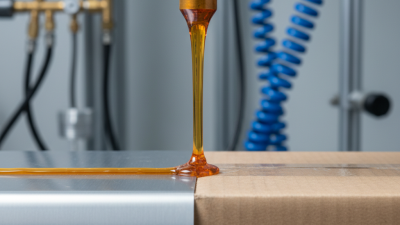
In packaging, polyester hot melt adhesives are often used for carton sealing and label applications. Data shows they can provide adhesive strength surpassing 20 Newtons per centimeter. Their quick-setting nature enhances production efficiency. However, proper surface preparation and consideration of temperature variations are essential. Misapplication can lead to weak bonds and product failures.
Polyester hot melts can also face challenges. They may become brittle over time, especially when exposed to moisture or extremes in temperature. An industry analysis found that 25% of users reported issues related to adhesive aging. These factors must be evaluated to ensure optimal performance. Understanding the limitations will guide users in selecting the right adhesive for specific applications and environments.
2026 How to Choose the Best Polyester Hot Melt Adhesive?
| Property |
Description |
Importance |
| Thermal Stability |
Ability to withstand high temperatures without degradation. |
High |
| Open Time |
The time available for bonding before the adhesive sets. |
Medium |
| Viscosity |
Thickness of the adhesive, affecting application methods. |
High |
| Color |
Affects the aesthetic of the final product. |
Low |
| Cure Time |
Time taken for adhesive to fully set and develop strength. |
Medium |
| Compatibility |
Ability to bond with different substrates. |
High |
| Elasticity |
Ability to stretch without breaking, important for flexible applications. |
Medium |
Key Properties to Consider When Selecting Adhesives
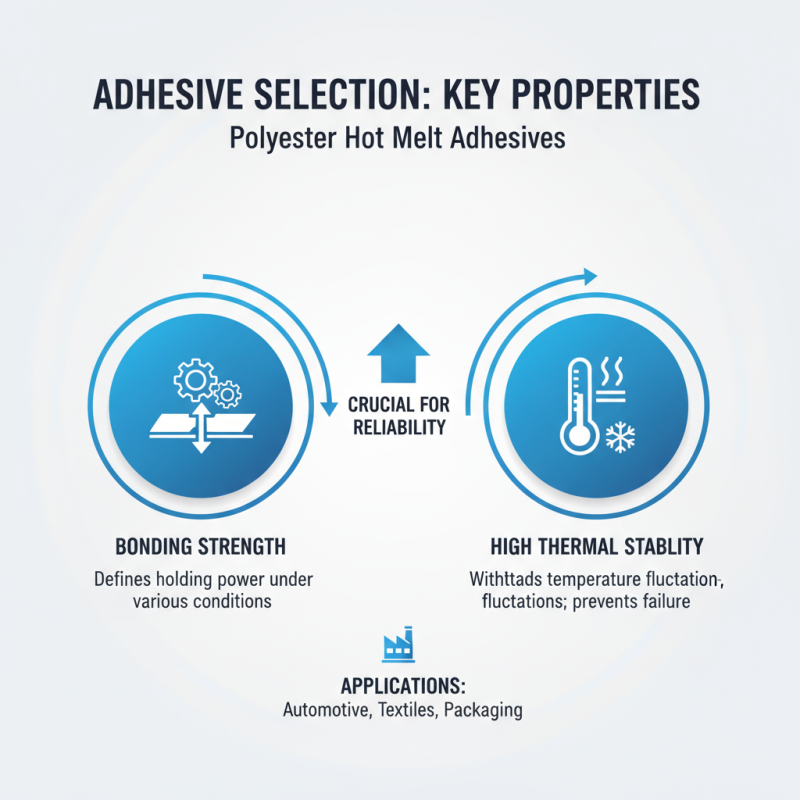
When selecting the right polyester hot melt adhesive, considering its key properties is crucial. Understanding the adhesive's bonding strength is fundamental. It defines how well the adhesive can hold materials together under various conditions. High thermal stability is another vital property. An adhesive that withstands temperature fluctuations prevents failure in applications subjected to heat.
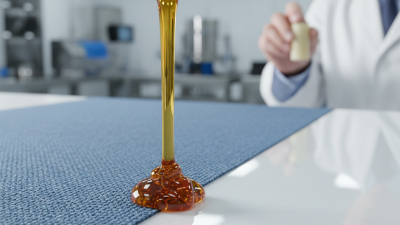
Viscosity also plays a significant role. Low-viscosity adhesives are easier to apply. They flow well into gaps and provide a strong bond. However, they can also run if not correctly managed. On the other hand, high-viscosity adhesives may require more effort to spread. Yet, they offer superior control during application.
Another property to consider is setting time. Some adhesives cure quickly, which can be beneficial for fast-paced projects. Conversely, slower curing adhesives allow more adjustments. Evaluating these properties ensures you select an adhesive that meets your specific needs. Testing different adhesives can also provide insight. Practical hands-on experience can reveal flaws or advantages that theory alone cannot explain.
Application Methods for Polyester Hot Melt Adhesives
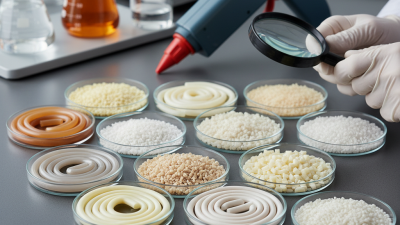
When working with polyester hot melt adhesives, selecting the right application method is crucial. These adhesives are versatile and can be applied through various techniques. Common methods include hot glue guns and automatic dispensing systems. Each method has its own unique set of advantages.
Using a hot glue gun offers control. It's perfect for small projects where precision is vital. However, it can lead to inconsistent bead sizes if not handled carefully. On the other hand, automatic dispensing systems provide uniform application for larger jobs. This method reduces manual errors. Still, it requires investment and setup time.
Tips: Always test the adhesive on a small area first. This helps ensure compatibility with your materials. Keep your application area clean to avoid contamination. Remember, temperature control during application influences the bond strength. Monitor the glue's viscosity to achieve optimal results. A slight adjustment can prevent issues like stringing or uneven spreading.
Evaluating Performance: Durability and Heat Resistance
When choosing a polyester hot melt adhesive, durability and heat resistance are vital factors. You want an adhesive that does not fail under stress or high temperatures. Many applications require strong bonds that can withstand various environmental conditions. Testing the adhesive in real-world scenarios can reveal potential weaknesses you might overlook.
Durability can be assessed through various methods. One effective way is to evaluate how well the adhesive performs in different temperatures. For example, extreme heat can weaken some adhesives, causing them to lose their bonding capability. Regularly subjecting them to heat tests can help determine their long-term reliability.
Heat resistance is also crucial for many products. An adhesive must maintain its integrity when exposed to heat. Consider using sample bonds in controlled environments to gauge their performance. Pay attention to how they react over time. Small changes might indicate larger issues. It’s essential to document these findings thoroughly. This approach helps refine your selection process and enhances the overall quality of the final product.
2026 Performance Evaluation of Polyester Hot Melt Adhesives
This chart illustrates the performance of various polyester hot melt adhesives in terms of durability and heat resistance. Durability is measured in hours, while heat resistance is indicated in degrees Celsius.
Cost Considerations and Budgeting for Adhesive Selection
When selecting the best polyester hot melt adhesive, cost plays a crucial role in your decision-making. It's essential to set a realistic budget before you start your search. Adhesives vary significantly in price based on factors like quality, application, and performance. Getting a clear picture of your needs helps you avoid overspending on unnecessary features.
Tips: Always ask for samples. Testing small quantities can provide valuable insights without committing to a large purchase. Make sure to assess the adhesive's performance in your specific application. Not every adhesive is suited for all tasks, so consider both short-term and long-term costs.
Don't overlook hidden expenses. While a cheaper adhesive might seem appealing upfront, it can lead to higher costs down the line due to failures or rework. Balancing initial costs with reliability is key. Evaluate the total cost of ownership, which includes potential repairs or replacements, rather than just the sticker price. Reflect on your choices; they can significantly impact your project budget and outcomes.