How to Use Polyamide Hot Melt Adhesive for Effective Bonding Solutions?
In the realm of adhesive technologies, Polyamide Hot Melt Adhesive stands out for its versatile applications. Industry expert Dr. John Smith once stated, "Polyamide Hot Melt Adhesive can redefine bonding solutions when used correctly." His insight emphasizes the importance of understanding this material.
Polyamide Hot Melt Adhesive is not just a standard adhesive; it's a powerful tool for creating strong, durable bonds. It is effective in various sectors, including automotive and textiles. These industries demand reliability and resilience, characteristics that Polyamide Hot Melt Adhesive can provide. However, achieving optimal results requires careful application techniques.
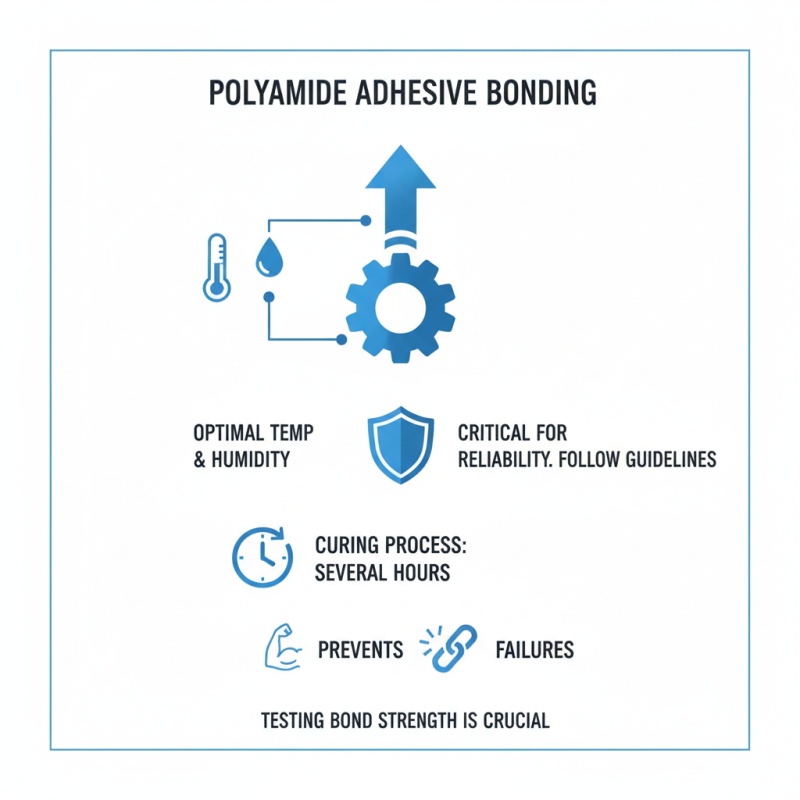
Many users overlook the nuances of temperature control during application. Improper heating can result in weak bonds. Additionally, surface preparation is critical. Users must ensure surfaces are clean and dry. These details can make or break the adhesive's effectiveness. As with any technology, a deep understanding and an iterative approach to learning are necessary to master the use of Polyamide Hot Melt Adhesive.
Understanding Polyamide Hot Melt Adhesives and Their Benefits
Polyamide hot melt adhesives offer a versatile bonding solution. These adhesives are known for their strong adhesion and quick setting time. They are especially useful in applications requiring flexibility and heat resistance. This makes them ideal for industries like automotive and construction.
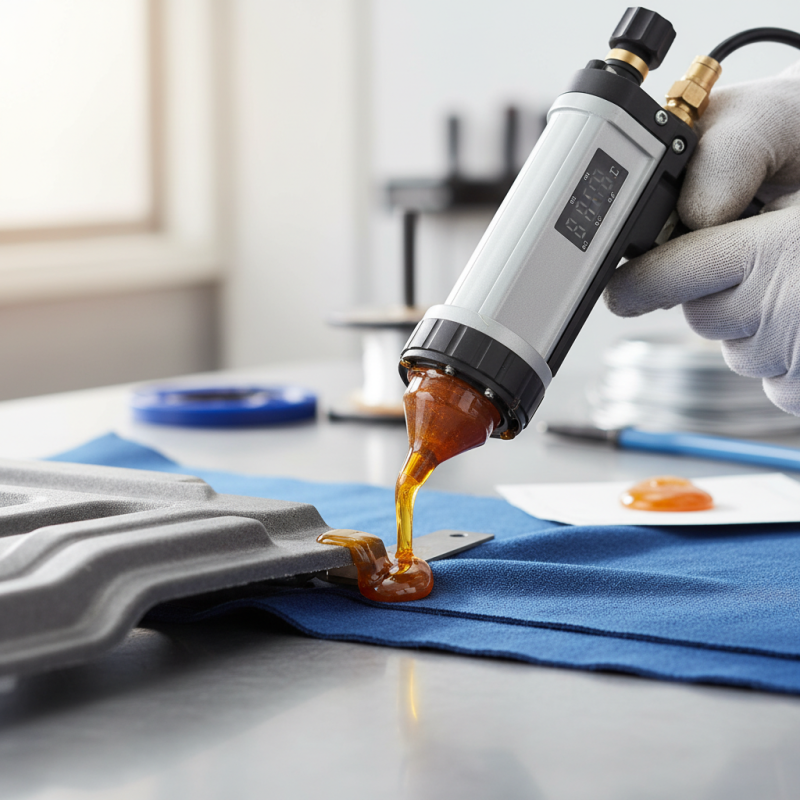
When using polyamide hot melt adhesives, proper application technique is essential. The adhesive must be heated to the right temperature for optimal bonding. Users often overlook this step, leading to weak bonds. Additionally, surface preparation plays a vital role. Clean and dry surfaces enhance adhesion, while dirt or moisture can compromise strength.
Using polyamide hot melts does come with challenges. The working time is limited; once applied, the adhesive sets quickly. This can pressure users to work faster, which may lead to mistakes. Experimentation and practice improve outcomes, but the learning curve can be steep. Understanding these factors helps maximize the benefits of polyamide hot melt adhesives.
Polyamide Hot Melt Adhesive Performance Comparison
Choosing the Right Type of Polyamide Hot Melt Adhesive for Your Project
Choosing the right type of polyamide hot melt adhesive is crucial for your project's success. These adhesives come in various formulations, tailored for specific applications. For example, some are designed for high-temperature resistance, while others are better for flexibility. Consider the environment where the adhesive will be used.
Evaluate the materials you need to bond. Polyamide adhesives work well with plastics, metals, and textiles. Testing on small samples can be insightful. You might discover that a particular adhesive does not perform as expected. Adjusting the choice based on initial results can lead to improved bonding.
Additionally, think about application methods. Some adhesives require specific tools. Others can be applied directly with a hot glue gun. Each method has its pros and cons. If the adhesive is too thick, it can be challenging to apply evenly. Always be ready to refine your technique as needed. Remember, the perfect bond often comes from trial and error.
Preparing Surfaces for Optimal Bonding with Polyamide Adhesives
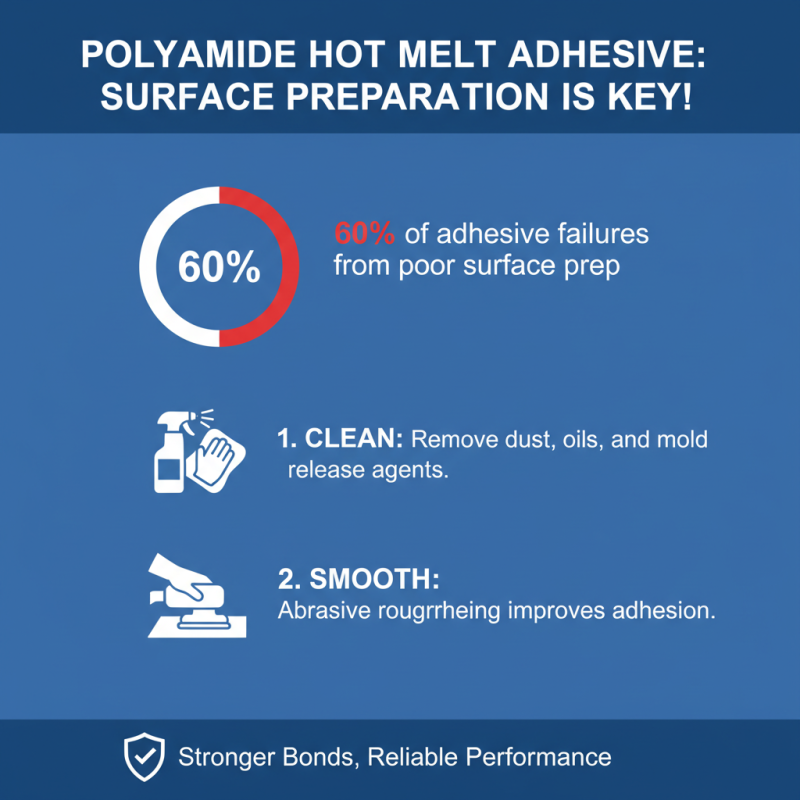
Preparing surfaces properly is crucial when using polyamide hot melt adhesives for effective bonding. Surface contaminants can significantly weaken the bond. Research indicates that up to 60% of adhesive failures stem from inadequate surface preparation. Thus, ensuring surfaces are clean and smooth is essential.
Begin by cleaning the surfaces. Use solvents or a mild cleaning agent to remove dust, grease, or oils. After cleaning, allow the surfaces to dry completely. Moisture can interfere with adhesion. In some cases, roughening the surface may improve bonding strength. This can be achieved through sanding or abrasive treatments. Aim for a texture that enhances grip without compromising the material's integrity.
Evaluate the cleanliness and preparedness of the surfaces. Visual inspection is essential. If you notice any residues or imperfections, it may be necessary to repeat the cleaning process. This reflection on surface preparation can save time and prevent costly rework. Employing these practices can lead to a more reliable bond, ensuring the desired performance of your project.
Application Techniques for Effective Use of Polyamide Hot Melt Adhesives
Polyamide hot melt adhesives are gaining traction in various industries for their bonding capabilities. A recent report by the Adhesive and Sealant Council indicates that the demand for hot melt adhesives has increased by 7% annually. This growth is partly due to their effectiveness in textiles and packaging applications. Proper application techniques are crucial for maximizing their performance.
A key technique involves surface preparation. It’s essential to clean surfaces to remove contaminants. Even small residues can significantly affect adhesion. Applying the adhesive at the correct temperature is another critical factor. Typically, polyamide adhesives should be melted between 180°C to 220°C. This temperature ensures optimal viscosity and flow. However, overheating can lead to degradation, which is often overlooked.
Application methods vary, but spray and roll techniques are popular. Each method has its benefits and limitations. Spraying provides uniform coverage but might result in overspray. Rolling is less messy but could lead to inconsistent application. Operators must assess their needs carefully. Testing on sample materials is advisable before large-scale application. Reflecting on the method used will help improve future bonding effectiveness.
How to Use Polyamide Hot Melt Adhesive for Effective Bonding Solutions?
| Application Technique |
Description |
Recommended Temperature (°C) |
Curing Time (minutes) |
| Preheating |
Preheat the surfaces to enhance adhesion. |
80-120 |
1-3 |
| Application Method |
Use a hot melt applicator for precise application. |
160-180 |
Immediate |
| Cooling |
Allow time for the adhesive to cool and solidify without disturbance. |
N/A |
5-10 |
| Surface Preparation |
Clean and roughen surfaces for better bonding. |
N/A |
N/A |
| Pressure Application |
Apply consistent pressure to enhance bond strength. |
N/A |
2-5 |