
What Is Polyamide Hot Melt Adhesive and How Is It Used?

Polyamide Hot Melt Adhesive is a solid, solvent-free bonding material activated by heat. It melts, flows across a prepared surface, and forms a strong bond as it cools. This process suits manufacturers seeking clean application, fast handling, and consistent production speed.

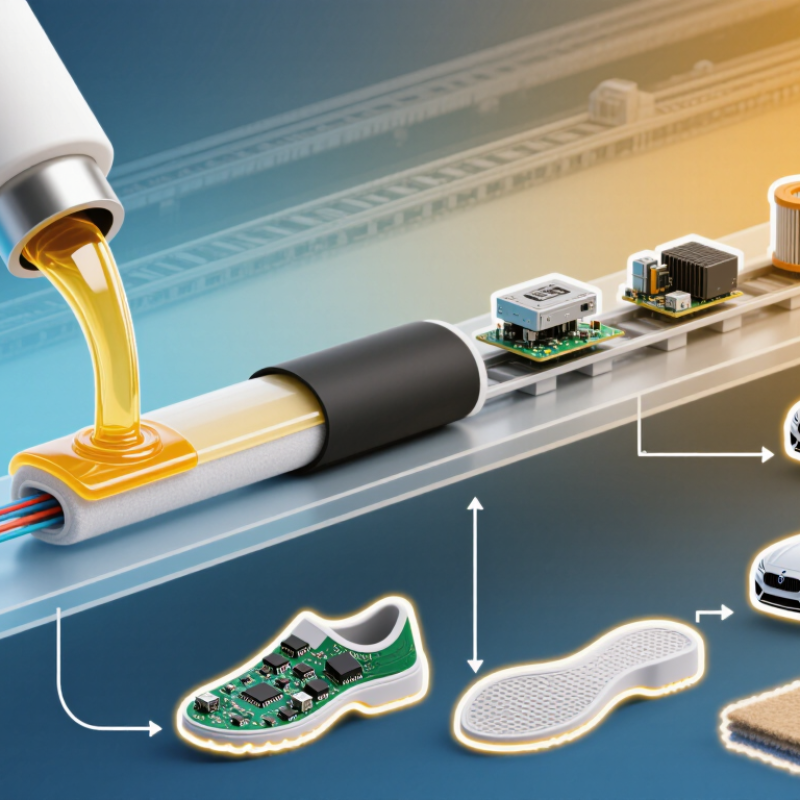
Its performance comes from polyamide chemistry. The adhesive can provide good resistance to oils, fuels, moisture, and elevated temperatures. These properties support demanding uses in automotive components, electrical assemblies, footwear, textiles, filters, and industrial laminates. A practical example is a wire harness covered with a thin adhesive layer. Heat activates the material, while cooling locks the insulation and protective sleeve together.

Market evidence shows why this technology deserves attention. Grand View Research reports that the global hot melt adhesives market was valued at approximately USD 10 billion in 2023. Its analysis also expects continued growth through 2030, supported by packaging, transportation, electronics, and assembly applications. MarketsandMarkets similarly forecasts strong expansion for hot melt adhesives through 2028, although estimates vary by product definition and region. That difference matters.

Not every polyamide grade performs identically. Open time, softening point, melt viscosity, and substrate compatibility can change production results. Smithers’ adhesive industry research also highlights the growing importance of durability, process efficiency, and lower-emission manufacturing. These demands are real, but product selection still requires testing.

The right choice depends on the application.

This article explains what Polyamide Hot Melt Adhesive is, how it works, and where it delivers practical value. It also examines limitations, processing conditions, and common selection mistakes. A useful starting point is simple: match the adhesive to the surface, temperature, stress, and service environment.
What Is Polyamide Hot Melt Adhesive and How Is It Used?

What Is Polyamide Hot Melt Adhesive?

What Is Polyamide Hot Melt Adhesive and How Is It Used?

What Is Polyamide Hot Melt Adhesive?

Polyamide hot melt adhesive is a solid, solvent-free bonding material. It melts with heat, wets the surface, and bonds as it cools. Its resin structure provides strong adhesion, flexibility, and resistance to oils, fuels, moisture, and moderate heat.

This adhesive is commonly used in automotive parts, electronics, textiles, wire harnesses, filters, and industrial assemblies. It performs well on metals, plastics, fabrics, and coated surfaces. However, surface preparation still matters. Dust, silicone residue, or low surface energy can weaken the bond.

Market data supports wider interest in hot melt technology. Grand View Research valued the global hot melt adhesives market at about 9.1 billion US dollars in 2023. Its report also forecasts continued growth through 2030. Polyamide products remain a specialized segment, so broad market figures should not be treated as direct polyamide sales data. That distinction is easy to miss.

Tips: Check the adhesive’s softening point, open time, viscosity, and substrate compatibility. Test aging under heat and humidity. A quick peel test is useful, but it cannot replace long-term validation. In production, uneven heating can create weak areas. That problem deserves more attention than it usually receives.

Practical selection depends on the assembly, equipment, and service temperature. Some formulations bond quickly but offer limited flexibility. Others improve flexibility but require higher application temperatures. Engineers should compare technical datasheets with real operating conditions. Small trials often reveal uncomfortable differences.

How Is Polyamide Hot Melt Adhesive Made?

Polyamide hot melt adhesive is made by reacting selected diamines with dibasic acids under controlled heat.

These raw materials create long polyamide chains with strong bonding properties. The formulation may also include modifiers, stabilizers, and carefully measured fillers. Each ingredient affects flexibility, melting behavior, and resistance to oils or moisture.

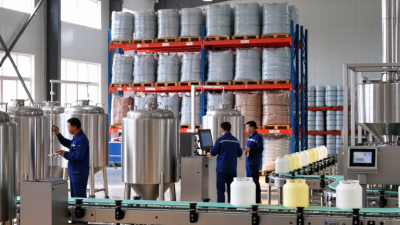
Manufacturing usually begins in a heated reactor. The mixture is blended while temperature and pressure are monitored closely. Water formed during the reaction must be removed. Otherwise, the polymer may develop uneven molecular weight. After reaching the target viscosity, the molten adhesive passes through a filter. It is then cooled, shaped into pellets, and dried.

Small differences matter. A practical mistake is assuming every batch behaves identically. Real production often requires adjustment after laboratory testing.

Tips:

Check viscosity at the intended application temperature, not only at room temperature. Keep pellets sealed because moisture can cause foaming during melting. Test adhesion on the actual fabric, plastic, or metal surface. A clean surface helps, but excessive heat may damage sensitive materials. Record melting range, open time, and bond strength for each trial. These records support reliable process control and reveal problems early.

What Properties Define Its Performance?

Polyamide hot melt adhesive is a thermoplastic bonding material. It softens when heated and solidifies as it cools. Its performance depends on more than bond strength. Viscosity controls how easily the adhesive spreads across a surface. Open time determines how long parts can be positioned. Some grades set quickly, while others allow careful adjustment. This matters when bonding fabrics, wires, plastics, or small electronic components.

Heat resistance is another defining property. A suitable formulation should remain stable within the product’s service temperature. Flexibility also matters, especially where materials bend or expand differently. Polyamide adhesives often provide useful resistance to oils, solvents, and humidity, but performance varies by formulation. Poor surface preparation can still cause failure. Clean surfaces help. Roughening some smooth plastics may improve contact, although excessive heat can damage sensitive substrates. Testing remains essential because real production conditions are rarely perfect.

Tips: Check melt temperature, viscosity, open time, and cooling behavior before full-scale use. Apply a small bead first. Observe wetting, squeeze-out, and bond failure. If the adhesive cracks after cooling, the formula may be too rigid, or the joint may be under stress. If it strings excessively, application temperature or timing may need adjustment. Do not assume higher heat creates a stronger bond. Sometimes it only weakens the materials.

How Is Polyamide Hot Melt Adhesive Applied?

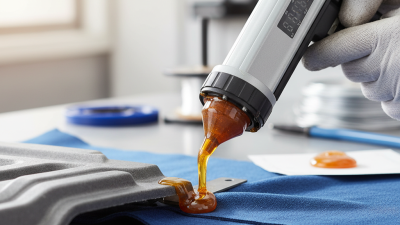
Polyamide hot melt adhesive is applied as a solid material that melts under controlled heat. It bonds fabrics, plastics, metals, and electronic components without liquid solvents. The adhesive may arrive as pellets, powder, film, or web. Each form needs a different application method.

Before bonding, clean both surfaces and remove dust, grease, and moisture. A heated roller, press, or dispensing unit can soften the adhesive evenly. Application temperature depends on the adhesive grade and substrate. Operators should follow the supplier’s technical data sheet and verify the setting on a small sample. Pressing the parts together while the adhesive remains fluid improves contact. Cooling pressure then helps create a stable bond. Timing matters.

Tips: Keep surfaces flat and properly aligned. Use enough adhesive, but avoid thick pools. Measure temperature near the bonding area, not only on the machine display. Good ventilation and heat-resistant gloves are sensible precautions.

In practical work, uneven heating causes weak edges or visible bubbles. A slower roller speed may improve wetting, but excessive heat can damage delicate materials. I have found that a short test run reveals problems faster than adjusting a full production batch. Still, test results can mislead when humidity changes. Record temperature, pressure, open time, and cooling conditions for reliable comparison. If the bond peels cleanly, the surface may need better preparation. If the substrate tears, the adhesive may already be bonding effectively.

Where Is Polyamide Hot Melt Adhesive Used?

Polyamide hot melt adhesive is a thermoplastic bonding material. It softens when heated and hardens as it cools. This reversible process supports fast, clean assembly without liquid solvents. Its final performance depends on temperature, pressure, substrate type, and moisture exposure.

Where Is Polyamide Hot Melt Adhesive Used?

In automotive interiors, it bonds fabrics, foam layers, carpets, and decorative panels. It can create smooth laminations around doors, dashboards, and seat components. Textile manufacturers use it for seam reinforcement, fabric coating, and multi-layer construction. It also appears in footwear, especially where flexible bonds must withstand repeated bending. It must stay flexible.

Electronics producers may use polyamide hot melt adhesive to secure wires, protective films, and small internal components. Filter manufacturing uses it to join media layers while preserving airflow paths. Bookbinding and industrial packaging are other practical applications. However, the best adhesive choice is not always obvious. A strong bond can still fail when a surface contains oil, dust, or release agents. In production trials, engineers should test peel strength, heat aging, humidity resistance, and flexibility. Small changes in coating weight can affect results. That detail is easy to overlook.

What Is Polyamide Hot Melt Adhesive and How Is It Used?

Representative application temperatures for common polyamide hot melt adhesive uses

Polyamide hot melt adhesive is a thermoplastic adhesive that softens when heated and forms a bond as it cools. It is commonly used for textile lamination, footwear assembly, automotive interior components, filter media, and electrical or electronic assemblies. The values shown are representative midpoint temperatures within commonly reported processing ranges; the exact temperature depends on the polyamide formulation, substrate, coating method, and production speed.