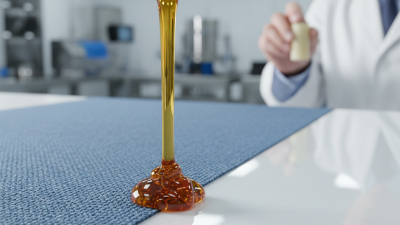
What is SBS Adhesive and How Does It Work?
SBS Adhesive is a versatile bonding agent used in various industries. Its unique properties make it a favorite among manufacturers. But what exactly makes SBS Adhesive stand out?
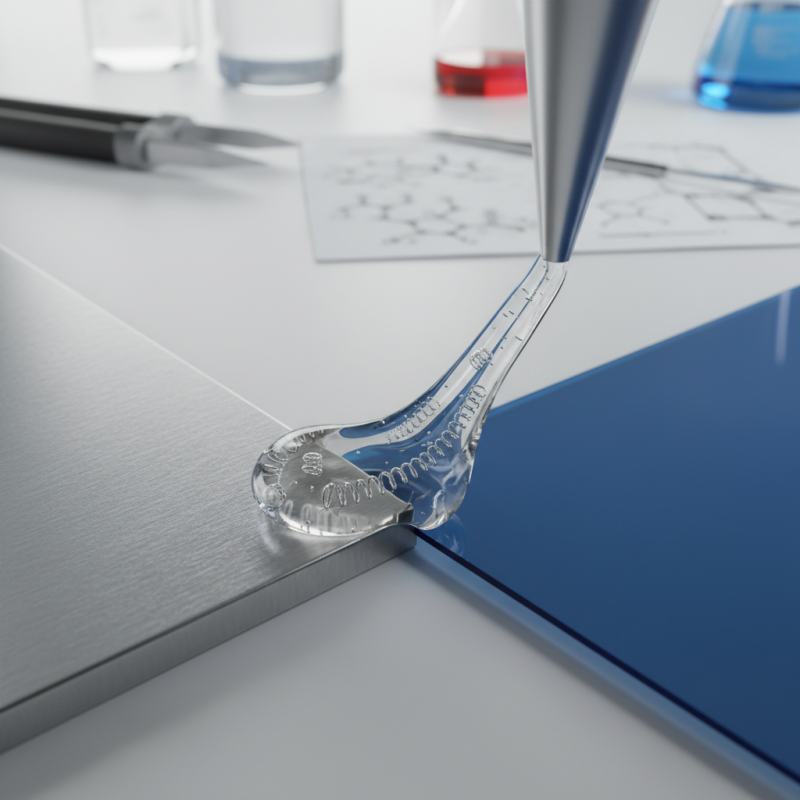
This adhesive is made from styrene-butadiene-styrene, a polymer known for its elasticity and strength. SBS Adhesive offers a strong bond that can withstand environmental challenges. Users appreciate its ability to adhere to different surfaces, including plastic and metal. However, the application can be tricky. It requires proper surface preparation for optimal performance.
Despite its benefits, users must consider the limitations of SBS Adhesive. In some conditions, it may not perform as expected. Additionally, the initial setup can be complicated. Understanding how SBS Adhesive works is crucial for effective use, ensuring a successful application in any project.
What is SBS Adhesive: Definition and Composition Overview
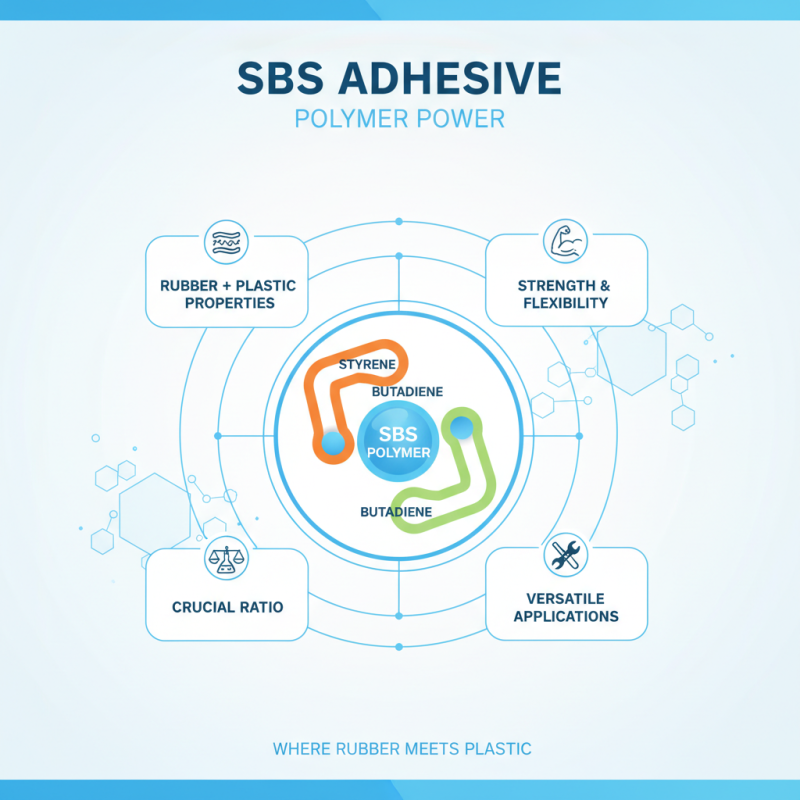
SBS adhesive, or Styrene-Butadiene-Styrene adhesive, is a unique polymer-based substance. It combines properties of rubber and plastics. This makes it versatile for various applications. The composition includes styrene and butadiene, providing strength and flexibility. The balance between these elements is crucial. If the ratio isn't right, the adhesive may lose effectiveness.
When heated, SBS adhesive becomes pliable. This allows it to bond well to surfaces. Upon cooling, it solidifies, creating a strong hold. This process can be inconsistent. Sometimes, the adhesion might not be as strong as expected. Proper application techniques are vital. Users need to ensure surfaces are clean and dry. A less than ideal environment can lead to issues.
SBS adhesives are widely used in construction and automotive industries. They bond materials like glass, wood, and metals. However, users often overlook the importance of compatibility. Not all surfaces work well with SBS adhesive. Testing is recommended to avoid weak bonds. There’s always room for improvement in application methods. Each project is unique, and adjustments are often necessary. This constant learning process is part of working with adhesives.
The Chemistry Behind SBS Adhesives: Block Copolymers Explained
SBS adhesives are unique materials made from block copolymers. These copolymers consist of two different polymer segments. One segment is rubbery, while the other is more rigid. This combination provides SBS adhesives with their distinctive properties. They can stretch, bond, and resist heat. Their versatility makes them useful in various applications.
The chemistry behind SBS is fascinating. The rubbery block gives it elasticity. It allows the adhesive to endure stress. The rigid block offers strength and stability. This balance is crucial for creating effective bonds. However, not all SBS adhesives perform equally. Some may lack the necessary balance for specific tasks. Observing how they behave in different environments can lead to improvements.
In practice, the formulation of SBS adhesives can vary. Factors like temperature and humidity can affect their performance. Sometimes, the adhesive may not bond as expected. In those moments, it’s vital to reassess the conditions and the materials used. Experimentation is key. With careful observation, users can determine how to enhance the adhesive's effectiveness. This ongoing process is part of the intriguing world of SBS chemistry.
Understanding SBS Adhesives: Properties and Applications
SBS adhesives, a type of thermoplastic elastomer, are known for their impressive properties including high tensile strength, significant elongation, good temperature resistance, and effective adhesion strength. This chart highlights key quantitative properties relevant to the application and efficacy of SBS adhesives in various industries.
Applications of SBS Adhesive in Various Industries: An Overview
SBS adhesive, known for its versatility, has applications across multiple industries. One significant area is construction. According to a recent market report, the global demand for adhesives in the construction industry is projected to grow by over 4% annually. This adhesive offers strong bonding properties, making it ideal for sealing and waterproofing. However, the performance can vary based on environmental conditions, which requires careful consideration during application.
In the automotive sector, SBS adhesive is equally crucial. It is used in manufacturing vehicle interiors and exteriors due to its flexibility and temperature resilience. An estimated 20% of vehicles produced in recent years utilized advanced adhesive solutions like SBS. Yet, the adhesive's long-term durability often raises questions. Factors such as exposure to UV light or extreme temperatures can impact its performance, necessitating ongoing research and testing.
The packaging industry also benefits from SBS adhesives. These adhesives enhance the strength of package seals, which is vital for product integrity. Studies indicate that 30% of the global adhesive market is driven by packaging needs. Nonetheless, the adhesive's performance can be inconsistent, prompting manufacturers to explore alternatives. Balancing cost, effectiveness, and environmental impact remains a challenge.
Performance Characteristics of SBS Adhesives: Strength and Flexibility Data
SBS adhesives are known for their unique performance characteristics, primarily their strength and flexibility. These adhesives are made from styrene-butadiene-styrene copolymers. This composition allows for superior bonding capabilities. They function effectively across various surfaces, making them versatile in application.
One of the key strengths of SBS adhesives is their ability to maintain their bond under stress. They exhibit excellent tensile strength, which is crucial in many industrial applications. This means they can withstand forces without breaking or peeling. However, users might find that the bond can weaken over time if exposed to harsh conditions. It’s essential to consider the environment when choosing these adhesives.
Flexibility is another notable feature. SBS adhesives are designed to stretch and bend, adapting to movements without cracking. This quality is vital in products that experience constant motion. Nevertheless, some users have reported inconsistencies in flexibility depending on the formulation. There can be variations in performance, which may necessitate further testing. It's a reminder that not all adhesives perform the same under different circumstances.
Environmental Considerations and Safety of SBS Adhesive Usage
SBS adhesive, widely used in construction and manufacturing, brings along important environmental considerations. The materials within SBS may emit volatile organic compounds (VOCs) during application. These compounds can affect indoor air quality and potentially pose health risks. Proper ventilation during use is crucial. Users should be aware of the possible long-term effects on both health and the environment.
Safety is another critical aspect of SBS adhesive usage. While it offers strong bonding capabilities, mishandling can lead to skin irritation or respiratory issues. Wearing personal protective equipment, like gloves and masks, is essential. Yet, there can be a tendency to overlook these safety measures. The balance between effectiveness and safety requires careful attention.
Additionally, consider disposal methods for unused adhesive. Some components in SBS may not be environmentally friendly when discarded improperly. It is worth reflecting on whether more eco-conscious alternatives could be explored. Reducing waste and ensuring proper disposal should become priorities for users, fostering a more sustainable approach in the industry.