10 Tips for Choosing the Right Laminating Adhesive for Your Projects?
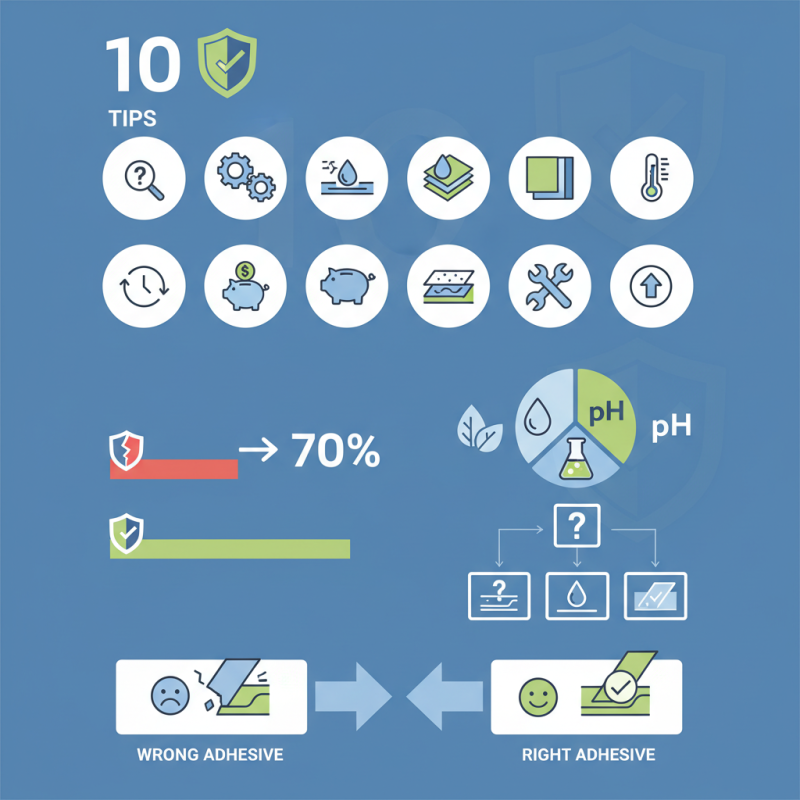
Choosing the right Laminating Adhesive can significantly impact the quality and durability of your projects. According to industry reports, nearly 70% of adhesive-related issues are due to improper selection. This highlights the importance of understanding various types of laminating adhesives available on the market. With different formulations catering to diverse materials and applications, making an informed decision is essential.
The laminating process requires precision. It's not merely a task; it's a blend of art and science. A mismatch in adhesive type can lead to costly mistakes. For instance, using a water-based adhesive on materials that require solvent-based options could weaken the bond, causing delamination over time. Therefore, being equipped with knowledge about each adhesive type will ultimately save time and resources.
Additionally, users must reflect on project requirements. What surfaces are involved? Is moisture resistance necessary? Answering these questions will guide you towards the right choice. The right Laminating Adhesive can enhance a project’s longevity. In contrast, the wrong one can lead to frustration and wasted materials. Understanding these factors is crucial for successful outcomes.
Understanding Different Types of Laminating Adhesives Available
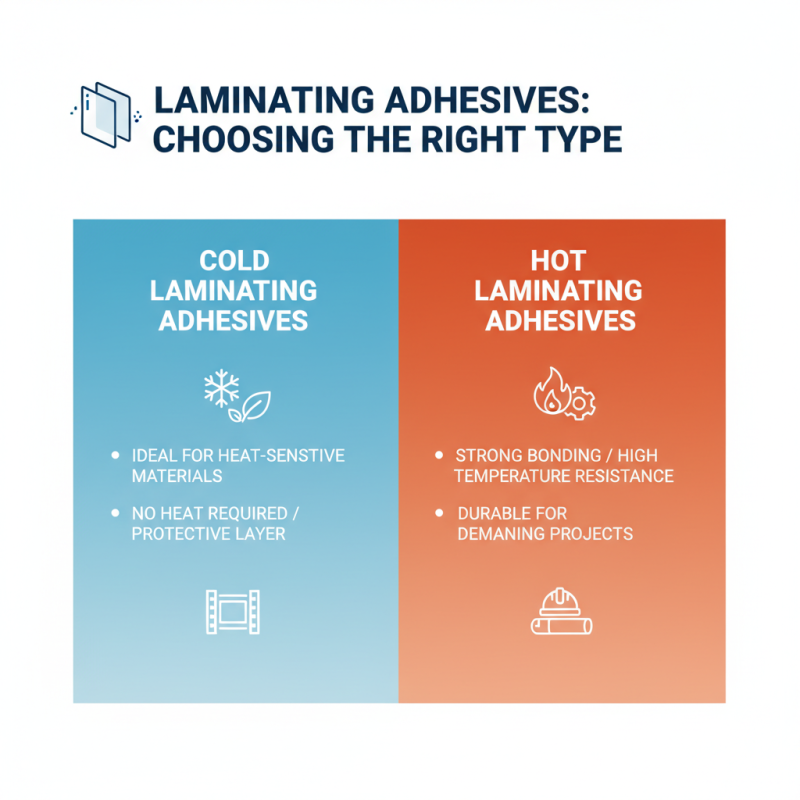
When it comes to choosing the right laminating adhesive, understanding the various options is crucial. There are different types available in the market. For instance, cold laminating adhesives are ideal for heat-sensitive materials. They provide a protective layer without the risk of damage. On the other hand, hot laminating adhesives offer strong bonding. They can withstand higher temperatures, making them suitable for more demanding projects.
Water-based adhesives are another option worth considering. They dry clear and are less toxic, which is appealing for home projects. However, they may not provide the same durability as solvent-based alternatives. Solvent-based adhesives are more robust but can emit strong odors and require careful handling. This choice often depends on the specifics of the project and the desired finish.
Keep in mind that laminating adhesive can behave differently under various conditions. For example, some may yellow over time or may not adhere well to certain surfaces. Testing a small piece before committing is essential. It helps ensure that the adhesive you choose meets your expectations. Balancing performance and safety can be tricky, but careful selection will pay off in the long run.
Evaluating Project Requirements for Optimal Adhesive Selection
Choosing the right laminating adhesive requires careful evaluation of project requirements. Understand the materials you will laminate. Different substrates need different adhesives. For example, a paper laminate will respond differently than a plastic or fabric one.
Adhesive types include pressure-sensitive, heat-activated, and cold adhesives. According to a report by the Adhesive and Sealant Council, over 60% of project failures come from improper adhesive choice. Determine the purpose of your project. Is it for durability or aesthetics? Assess exposure to moisture, heat, or chemicals. Each factor heavily influences adhesive performance.
Consult technical data sheets for specific attributes like cure times and bond strengths. Many users overlook this information. A mismatch can lead to peeling or bubbling. Consider crystal clarity for visual projects; hazy finishes can detract from quality. Adapting to environmental factors can be challenging but is crucial for success. Reflect on past projects where adhesive choices faltered. Learning from these experiences will guide future selections.
10 Tips for Choosing the Right Laminating Adhesive for Your Projects
Considering Environmental Conditions for Adhesive Performance
When choosing a laminating adhesive, environmental conditions can greatly affect its performance. Temperature and humidity play critical roles in adhesive curing and bonding strength. For instance, research indicates that adhesives can lose up to 30% of their bonding efficiency in extreme temperatures. This means that a project undertaken in a heated area may not yield the same results as one done in a cooler, more stable environment.
Moisture can also be a silent enemy to adhesive integrity. In humid conditions, adhesives may absorb moisture, which compromises their effectiveness. Studies show that adhesives in high-humidity settings can become less effective, potentially leading to failures in lamination. A report from the Adhesive and Sealant Council noted that nearly 15% of adhesive failures can be attributed to improper environmental conditions during application. Understanding these factors is crucial. Ignoring them could lead to project rework and increased costs.
It's important to consider the long-term exposure to environmental conditions. Some adhesives react negatively over time when exposed to UV light or temperature fluctuations. Documented cases have shown that certain adhesives degraded significantly after just a few months of exposure in harsh environments. Testing adhesives under anticipated conditions can provide insights into potential issues.
Assessing Adhesive Compatibility with Various Materials
Choosing the right laminating adhesive requires understanding the materials you will bond. Different adhesives work best with specific substrates. For instance, many reports indicate that water-based adhesives are ideal for paper laminates. They provide strong adhesion without damaging the material. However, they are less effective on non-porous surfaces.
Evaluating adhesive compatibility is crucial for project success. A study from the Adhesive and Sealant Council highlights that around 30% of adhesive failures stem from improper material pairing. For example, adhesives designed for plastic may not adhere well to wood. Conversely, pressure-sensitive adhesives excel on both paper and plastic substrates. If you overlook this aspect, you risk investing in materials that won’t perform as expected.
Environment also plays a role. Temperature and humidity can affect adhesion. For instance, moisture can weaken some types of adhesives significantly. Always test adhesive samples on a small area before applying them to your projects. This step can save you time and resources in the long run. Ignoring compatibility issues can lead to costly mistakes and a frustrating experience.
10 Tips for Choosing the Right Laminating Adhesive for Your Projects
| Tip Number |
Tip |
Material Compatibility |
Best Uses |
| 1 |
Consider the surface texture |
Glossy, matte |
Photos, posters |
| 2 |
Check temperature resistance |
Heat-sensitive materials |
Documents, menus |
| 3 |
Evaluate adhesive strength |
Paper, fabric |
Book covers, labels |
| 4 |
Identify drying time |
Instant, slow-dry |
Quick projects, crafts |
| 5 |
Choose between cold and hot laminating |
Durable, flexible |
Awards, certification |
| 6 |
Assess water resistance |
Waterproof films |
Outdoor use, menus |
| 7 |
Test chemical resistance |
Chemically sensitive materials |
Industrial labels, signage |
| 8 |
Determine clarity needed |
Clear, frosted |
Fine art, photos |
| 9 |
Match adhesive to project lifespan |
Temporary, permanent |
Short-term displays, archival |
| 10 |
Consider environmental factors |
UV exposure, humidity |
Outdoor displays, humid areas |
Reviewing Application Methods and Their Impact on Adhesive Choice
Choosing the right laminating adhesive is a crucial aspect of any project. The application method significantly impacts this choice. For instance, spray adhesives allow for even coverage on large surfaces. However, they can create overspray, which may lead to messy results. On the other hand, liquid adhesives require more precision. They can be easier to control but may take longer to dry, leading to potential delays.
Pressure-sensitive adhesives are another option. They are versatile and can be repositioned before fully adhering. Yet, they may not hold up well in extreme conditions. Evaluating the project’s environment is vital. For instance, if humidity is a factor, a waterproof adhesive might be necessary. Consider the substrate, too; porous surfaces often need different adhesives compared to plastics. Each method has strengths and weaknesses. Taking the time to reflect on these details will affect the final result.