2026 Top Beer Bottle Labeling Adhesives You Need to Know?
In the fast-evolving world of craft brewing, understanding Beer Bottle Labeling Adhesives is essential for brand impact. Tim Anderson, a leading expert in packaging materials, once stated, “The right adhesive can transform your brand's market presence.” This highlights the pivotal role that labeling adhesives play in the beverage industry.
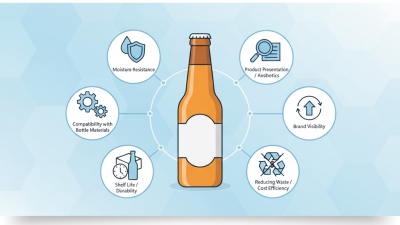
Choosing the correct adhesive can significantly affect not only the aesthetics but also the functionality of beer labels. Labels must withstand moisture and cold temperatures, maintaining integrity from production to consumption. This is where quality Beer Bottle Labeling Adhesives become crucial. Brewers face a challenge in finding the right balance between strong adhesion and easy removal.
As the industry shifts towards sustainability, innovations in adhesive technology are emerging. Some manufacturers are exploring biodegradable options, but these may not always meet the high standards of performance expected by brewers. There’s a fine line between functionality and environmental responsibility that needs careful consideration. Understanding the nuances of Beer Bottle Labeling Adhesives can help brands make informed decisions that resonate with consumers and enhance product visibility.
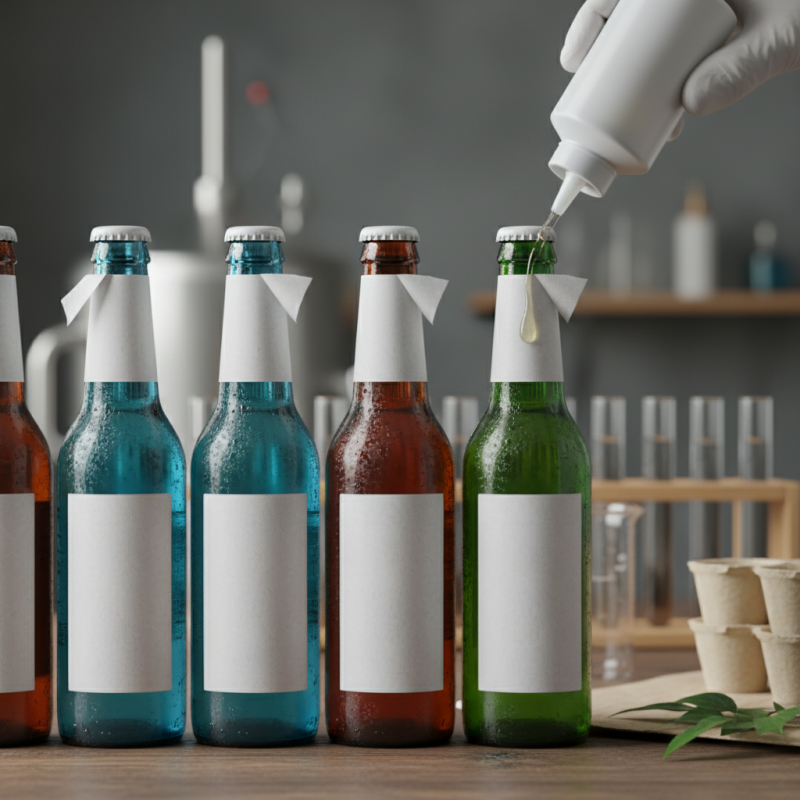
Overview of Beer Bottle Labeling Adhesives in 2026
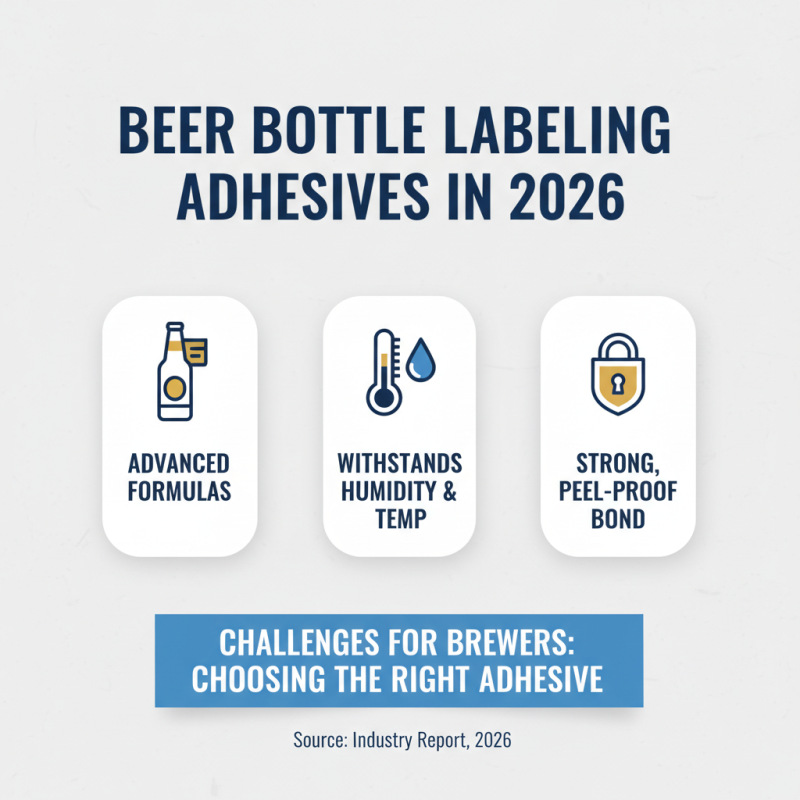
In 2026, beer bottle labeling adhesives are more advanced than ever. Brewers face challenges in choosing the right adhesives for their products. The perfect adhesive must withstand various conditions, including humidity and temperature fluctuations. A strong bond is essential to prevent label peeling during storage and transport.
Textures and finishes play a crucial role in adhesive selection. Some brewers prioritize aesthetics while others focus on functionality. Often, an adhesive that looks good might not perform well in real-life conditions. It’s vital to balance appearance with durability. Extensive testing is required to ensure that labels adhere properly without causing damage during the brewing process.
Environmental concerns are also shaping adhesive choices. Many brewers are seeking eco-friendly options. However, these adhesives may not always match traditional counterparts in performance. This presents a dilemma for brewers who want to be sustainable yet effective. Innovators in the adhesive industry continually seek solutions for these challenges. The landscape is evolving, but choices remain complex.
Types of Adhesives for Beer Bottle Labeling
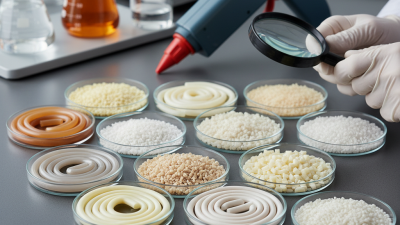
When it comes to beer bottle labeling, adhesive choice plays a crucial role. Various types are available, each with unique properties. Water-based adhesives are popular for their eco-friendliness. They are easy to apply and remove. This type works well with paper labels, making them a common choice for craft breweries.
Hot melt adhesives offer another option. They provide a strong bond, adhering well to different surfaces. These adhesives are best for labels that must endure moisture and temperature changes. However, they can be challenging to work with during production. Some brewers find them too rigid.
Pressure-sensitive adhesives are also worth considering. They do not require heat or water for application. This can speed up the labeling process. However, their effectiveness can vary depending on the label material. Testing is essential to ensure the right fit. Each adhesive has its pros and cons. Selecting the best one demands attention to detail and experimentation. Understanding your specific needs can guide you to the ideal choice.
2026 Top Beer Bottle Labeling Adhesives You Need to Know
Key Features to Consider When Choosing Adhesives
Choosing the right labeling adhesive for beer bottles requires careful consideration of several key features. One essential aspect is adhesion strength. According to a recent industry report by the Adhesive Manufacturers Association, pressure-sensitive adhesives demonstrate superior performance in damp environments. These adhesives ensure that the labels stay intact during storage and transportation, crucial for breweries looking to maintain their product's integrity.
Another critical factor is temperature resistance. The ability of an adhesive to withstand varying temperatures can significantly affect its performance. Studies indicate that adhesives tailored for the beverage industry should retain effectiveness at temperatures ranging from -20°C to 50°C. Understanding thermal characteristics can help avoid label failure after the product leaves the brewery.
Lastly, drying time is vital. A too-quick drying process might lead to improper bonding, while an excessively slow one can disrupt production timelines. Industry averages suggest a drying time of 10-30 seconds under optimal conditions. Evaluating drying characteristics allows breweries to streamline operations. Selecting the right adhesive involves trial and error. Brewers should remain flexible and willing to adjust their choices based on performance data and real-world testing. Over time, this reflective approach can lead to improved product packaging and brand reputation.
2026 Top Beer Bottle Labeling Adhesives You Need to Know? - Key Features to Consider When Choosing Adhesives
| Adhesive Type |
Key Features |
Application Temperature |
Cure Time |
Typical Use Cases |
| Hot Melt Adhesives |
Fast setting, strong bond, heat resistance |
80°F to 120°F |
Instant |
Label application on glass bottles |
| Pressure Sensitive Adhesives |
No heat required, versatile, easy application |
Varies based on formulation |
Immediate |
Self-adhesive labels |
| Water-Based Adhesives |
Environmentally friendly, low odor |
60°F to 100°F |
30 minutes to hours |
Labels on paper and cardboard |
| Solvent-Based Adhesives |
Strong bond, resistant to moisture and chemicals |
Room temperature |
1 hour to 24 hours |
Labels for outdoor use |
| UV-Curing Adhesives |
Cures quickly under UV light, strong instant bond |
Varies, typically cooler |
Seconds |
Specialized labeling applications |
Top Brands and Products in Beer Labeling Adhesives
When it comes to beer bottle labeling, the right adhesive can make all the difference. Various brands offer specialized adhesives designed for different bottle materials and environmental conditions. Some adhesives perform excellently on glass, while others thrive on plastic. This variability needs careful consideration. The choice of adhesive directly impacts the label's longevity.
A quality adhesive should resist moisture and temperature changes. Beer often undergoes shifts from cool to warm environments, so an adhesive's durability is crucial. Not every adhesive provides this level of resilience. Some may lose strength or become tacky, leading to label failures. It's vital to investigate user experiences and test various products before committing.
Many breweries have shared their experiences with different adhesives. Their feedback highlights the importance of compatibility with your specific labels and bottles. Choosing the right adhesive should involve more than brand names. Consider testing in small batches first. Evaluation leads to better adhesion and a polished presentation for your brand.
Future Trends in Beer Bottle Labeling Adhesives
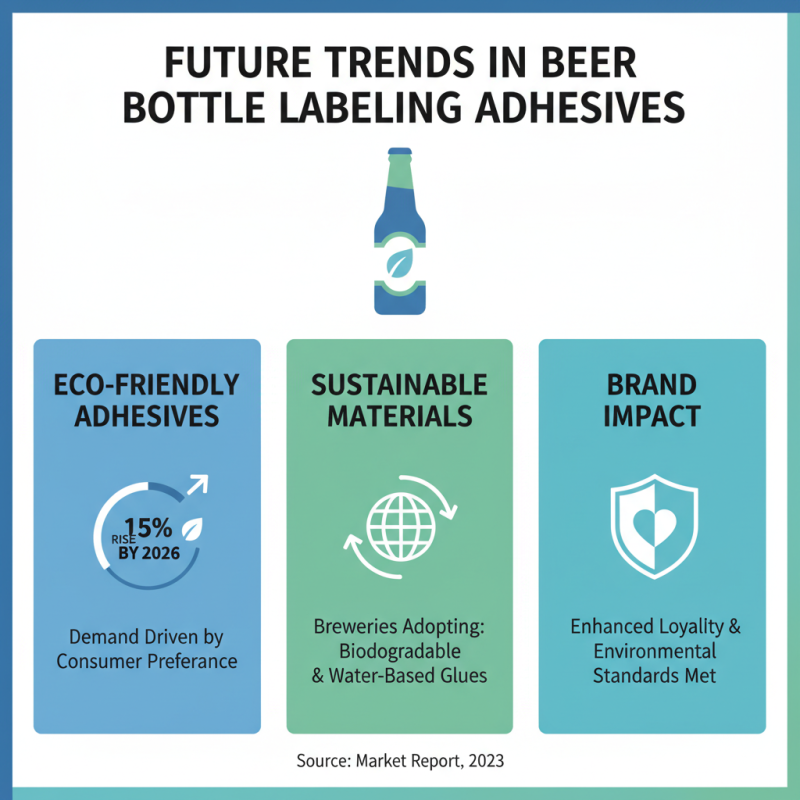
The future of beer bottle labeling adhesives is evolving rapidly. According to a recent market report, the demand for eco-friendly adhesives is projected to rise by 15% by 2026. Many breweries are shifting towards sustainable materials in response to consumer preferences. This trend not only meets environmental standards but also enhances brand loyalty.
Labeling adhesives play a crucial role in the packaging process. The industry is seeing innovations, such as pressure-sensitive adhesives and moisture-resistant options. In recent studies, it was found that labels account for 30% of packaging waste. As such, industry experts are emphasizing the need for easily removable labels. By focusing on sustainability, breweries can reduce waste and appeal to environmentally conscious consumers.
Adhesive performance is another critical factor. Research indicates that adhesives with improved adhesive strength perform better in various conditions. Temperature fluctuations can affect label adhesion, leading to product recalls. Companies need to invest in quality testing to ensure reliability. However, not all innovations have clear benefits. Some new adhesives may cost more without delivering real value. Hence, ongoing evaluation is essential for long-term success.