

7 Best Casein Glue Suppliers for Global Buyers?
Choosing among the 7 Best Casein Glue Suppliers for Global Buyers requires more than comparing price lists. Buyers must examine formulation, production consistency, technical support, packaging, and export experience. A sample that bonds well on clean wood may behave differently on coated paper, labels, or porous board.
Dr. Robert W. Packham, a respected adhesion scientist, once noted, “Adhesion is not simply a property of the adhesive; it is a property of the adhesive-adherend system.” This principle matters when evaluating Casein Glue suppliers. Reliable manufacturers should explain solids content, viscosity, setting behavior, storage conditions, and recommended application equipment. They should also provide current technical data sheets and practical batch information.
The strongest suppliers usually show experience with climate-controlled shipping, moisture-sensitive packaging, and repeat international orders. Look closely. A polished website proves little. Factory audits, test samples, customer references, and responsive engineering support offer better evidence. Some suppliers may claim universal performance, but that promise deserves careful questioning. Casein Glue can deliver strong wet-tack performance and useful heat resistance, yet results depend on substrate preparation and operating conditions.
This guide compares seven notable suppliers through a buyer-focused lens. It considers product quality, customization, certifications, minimum order quantities, logistics, and after-sales service. The ranking is not absolute. A packaging converter may value fast technical support, while a furniture producer may prioritize stable viscosity and consistent bonding strength. Even this framework has limits, so buyers should validate every shortlisted product through controlled trials before making a large commitment.
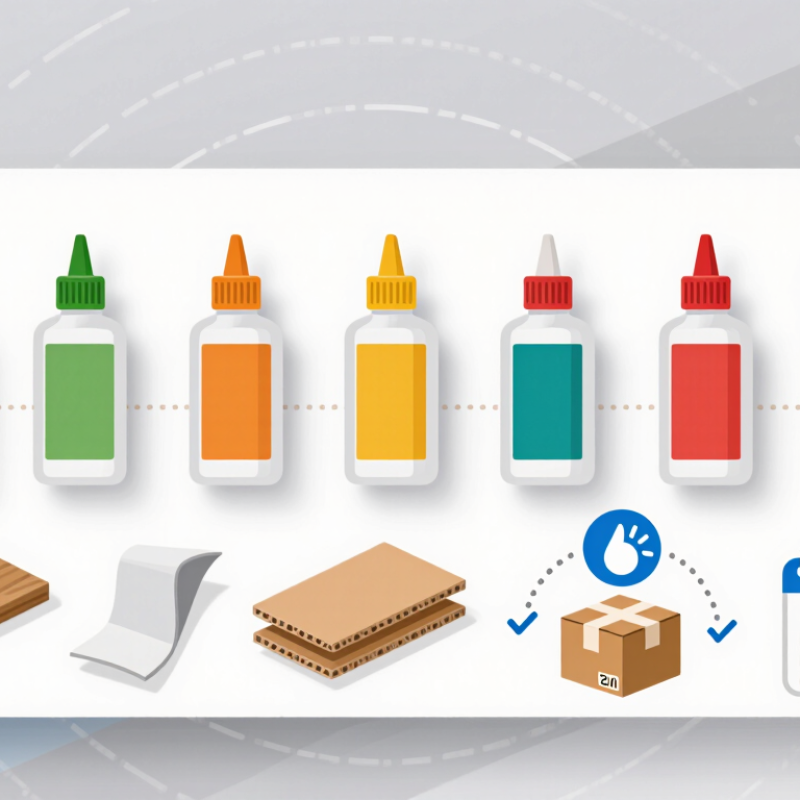
What Is Casein Glue and Where Is It Used?
Casein glue is a protein-based adhesive made from milk casein, water, and alkaline activators. It usually forms a pale, creamy liquid with a mild organic smell. FAO’s Dairy Market Review 2023 places global milk production near 965 million tonnes, showing the scale of its raw-material base. However, milk volume does not guarantee consistent glue quality.
It bonds well with porous surfaces, including wood veneer, paper labels, cardboard tubes, and some glass packaging. In a workshop, a thin coat can soak into timber grain before clamping. Its long open time helps with large panels. Casein glue also develops strong dry bonds, but ordinary grades can lose performance under prolonged moisture or high humidity. That limitation is easy to underestimate.
Quality reports often examine viscosity, solids content, pH, storage stability, and wet-bond strength. Buyers should request recent batch data, technical sheets, and independent test results. ASTM adhesive test methods can support comparisons, although one laboratory result cannot represent every climate. USDA and FAO dairy statistics help assess feedstock conditions, while adhesive-specific testing remains essential. Check the container at 20–25°C. Lumps, separation, or sour odors may indicate poor storage. My practical concern is simple: “natural” sounds reassuring, but preservation and shelf life still require careful verification.
7 Best Casein Glue Suppliers for Global Buyers? — What Is Casein Glue and Where Is It Used?
A practical comparison framework for selecting casein-glue supply partners by application, technical requirements, logistics, and documentation.
| Rank | Supplier Profile / Sourcing Route | Best-Fit Application | Typical Product Form | Typical Technical Range | Key Buyer Requirements | Packaging & Logistics | Why It Is a Strong Option |
|---|---|---|---|---|---|---|---|
| 1 | Specialist glass-label adhesive producer Europe or other mature packaging-adhesive market |
Returnable glass bottles, brewery labels, beverage labels, and high-speed labeling lines. | Ready-to-use liquid or water-dispersible powder. | Water-based; commonly alkaline; solids often approximately 20–35% for liquid systems. Final viscosity is formulation-specific. | Machine speed, open time, wet-tack, wash-off behavior, label stock, water hardness, and resistance to condensation. | Plastic pails, drums, or lined bags; protect from freezing, excessive heat, and contamination. | Best fit when stable line performance, clean wash-off, and compatibility with automated labeling equipment are priorities. |
| 2 | Industrial dry-powder adhesive manufacturer Export-oriented producer with batch documentation |
Buyers seeking long-distance shipment, lower freight weight, or on-site preparation. | Powder requiring controlled mixing with water and additives. | Typical powder moisture is controlled for storage stability; working pH and viscosity depend on the supplied formulation and mixing ratio. | Mixing procedure, water quality, dispersion time, batch consistency, dust control, and technical support. | Multi-wall paper bags, fiber drums, or sealed sacks; generally more suitable for containerized export than ready-to-use liquid. | Useful for global buyers that need flexible inventory, lower transport risk, and the ability to adjust working viscosity locally. |
| 3 | Woodworking adhesive supplier Supplier focused on protein-based and specialty wood adhesives |
Wood joints, veneer work, interior joinery, restoration, and selected furniture applications. | Powder or liquid casein-based adhesive system. | Water-based formulation with working time and bond strength affected by temperature, moisture, substrate porosity, and mix ratio. | Required open assembly time, dry strength, moisture resistance, substrate species, pressing conditions, and surface preparation. | Powder sacks or pails; store sealed in a cool, dry place and use prepared adhesive within the supplier’s stated working-life period. | Strong choice where renewable protein content, easy spreading, and traditional woodworking performance are valued. |
| 4 | Paper and packaging adhesive specialist Supplier serving carton, tube, label, and paper-converting plants |
Paper labels, paperboard packaging, cartons, tubes, and porous paper substrates. | Water-based liquid adhesive or powder concentrate. | Usually formulated for porous substrates; viscosity, tack, and drying speed are selected according to coating or application equipment. | Substrate absorbency, coating weight, set speed, fiber tear, odor, migration requirements, and line cleanliness. | Closed pails, drums, or intermediate bulk containers for liquid products; moisture-resistant bags for powders. | Appropriate for converters that need controlled wetting, fast setting, and reliable adhesion to paper-based materials. |
| 5 | Natural and bio-based adhesive supplier Supplier emphasizing renewable raw materials and sustainability data |
Eco-positioned packaging, educational products, craft applications, and buyers reducing reliance on synthetic polymers. | Casein-based liquid or dry blend, sometimes combined with other bio-based ingredients. | Protein-based chemistry; performance varies significantly with preservatives, modifiers, pH adjustment, and water resistance additives. | Bio-based content evidence, allergen statement, preservative disclosure, biodegradability claims, and product safety documentation. | Recyclable or lower-impact packaging may be available; confirm compatibility with the buyer’s recycling and labeling requirements. | Best for buyers whose purchasing criteria include renewable feedstock, transparent composition, and sustainability reporting. |
| 6 | Regional chemical distributor with technical service Local stockholder representing multiple adhesive technologies |
Small and medium industrial users requiring short lead times, local-language support, and trial quantities. | Stocked liquid adhesive, powder, or made-to-order blend. | Specification depends on the represented manufacturer; typical checks include solids, viscosity, pH, density, and microbial-control system. | Local inventory, minimum order quantity, sample availability, troubleshooting, import status, and after-sales service. | Local warehouse delivery in pails, drums, bags, or IBCs; verify storage conditions and lot traceability. | Often the most practical route when fast delivery, smaller orders, and application assistance matter more than direct factory pricing. |
| 7 | Custom-formulation contract supplier Technical producer able to modify the adhesive for a defined process |
Special requirements such as unusual label stock, elevated line speed, tailored viscosity, or specific wash-off behavior. | Custom liquid, powder concentrate, or two-part preparation system. | May be adjusted for solids, pH, viscosity, wet-tack, open time, drying profile, and water resistance within validated limits. | Clear performance specification, pilot trials, change-control procedure, quality agreement, and repeatable batch testing. | Packaging and shipping are selected after validation; retain samples and lot-level COAs are recommended. | Best when standard casein glue cannot meet the process window and the buyer can support testing and qualification. |
Related Posts
-
How to Choose Casein Glue for Global Sourcing 2026?
-

How to Make Casein Glue for Strong and Natural Adhesives?
-

What is Casein Glue and How is it Used in Industries?
-
How to Use Casein Glue for Strong Bonding Solutions?
-

Why is Casein Glue Considered an Effective Adhesive Solution?
-

Top 10 Benefits of Using Casein Glue for Your Projects?