Top Laminating Adhesive Solutions for Global Buyers?
In the world of packaging and manufacturing, the choice of Laminating Adhesive is crucial. Global buyers seek the best solutions for various applications. A 2021 report by MarketsandMarkets indicated that the laminating adhesive market is projected to grow from $5.2 billion in 2022 to $7.3 billion by 2027, highlighting its increasing demand.
Dr. Emily Carter, an expert in adhesive technology, states, “The right Laminating Adhesive can greatly enhance product durability and performance.” This insight underscores the importance of selecting suitable adhesives for specific needs. With various types available—water-based, solvent-based, and others—each has unique properties that can impact end-product quality. Buyers must understand these differences clearly to make informed decisions.
However, there are challenges. Not all adhesives perform equally across different environmental conditions. Some adhesives may not adhere well under high humidity, impacting the overall product integrity. This variability signifies the need for thorough research and testing before finalizing purchases, ensuring that chosen products meet reliable standards for performance and safety.
Overview of Laminating Adhesives in the Global Market
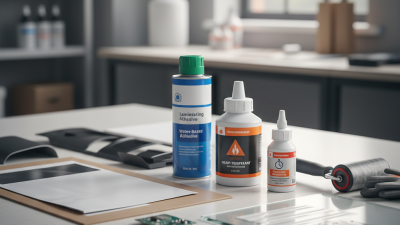
Laminating adhesives play a crucial role in packaging and manufacturing processes worldwide. They create a strong bond between surfaces, providing both protection and durability. Buyers across different industries seek high-quality adhesives that meet specific needs. Understanding the types of laminating adhesives is vital for making informed decisions.
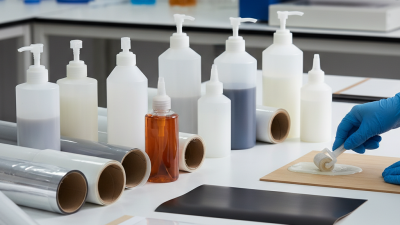
The global market for laminating adhesives is expansive and diverse. Many options are available, including water-based, solvent-based, and hot melt adhesives. Each type offers unique properties suited for various applications. Product performance can vary significantly. Factors such as temperature resistance, cure speed, and ease of handling must be considered when selecting an adhesive.
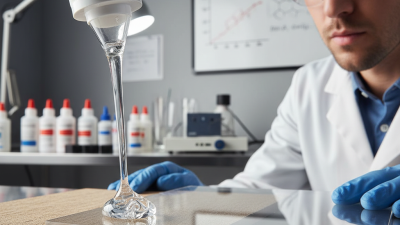
Yet, choosing the right adhesive isn't always straightforward. Some products may perform well under specific conditions but fail under others. Testing and evaluations are critical steps that every buyer must undertake. Sometimes, trial and error may occur before finding the appropriate solution. This highlights the importance of a reliable supplier who understands these nuances.
Types of Laminating Adhesives and Their Applications
Laminating adhesives play a crucial role in various industries. They help to enhance the durability and appearance of products. There are several types of laminating adhesives, each suited for specific applications.
Thermal laminating adhesives are popular in printing. They bond well to paper and other surfaces. These adhesives typically require heat to activate. They provide a clear, protective layer that is waterproof.
Cold laminating adhesives, on the other hand, are applied without heat. This makes them ideal for sensitive materials that may be damaged by high temperatures.
For packaging applications, pressure-sensitive adhesives are frequently used. These adhesives provide excellent bonding at room temperature. They are easy to apply and allow for immediate use. However, weaker bonding can occur if not applied correctly.
Additionally, solvent-based adhesives are used for heavy-duty applications. They offer strong adhesion but come with potential environmental concerns. Each type of adhesive has its strengths and weaknesses, warranting careful evaluation before selection.
Key Factors Influencing Buyer Decisions for Adhesive Solutions
When selecting laminating adhesive solutions, buyers are influenced by several key factors. Quality is paramount. Reports indicate that around 75% of industry professionals prioritize adhesive performance. This includes bonding strength, durability, and resistance to temperature fluctuations. Buyers often look for adhesives that maintain their integrity over time, especially in challenging environments.
Cost considerations also play a crucial role. A recent survey showed that 60% of buyers weigh the cost of adhesives against their overall value. Finding a balance between affordability and quality is essential. Buyers should analyze total cost of ownership, including application efficiency and potential waste.
**Tip:** Always request samples to test performance under your specific conditions.
Additionally, manufacturers' reputations influence buyer decisions. A study found that 80% of buyers trust companies with proven track records. They look for certifications and compliance with industry standards. However, not all brands communicate their strengths effectively. It's vital to engage with manufacturers and ask pointed questions about their products.
**Tip:** Read reviews and case studies to gauge real-world performance.
Ultimately, understanding these factors helps buyers make informed decisions. They often reflect on their experiences with previous adhesives, leading to more nuanced choices in future purchases.
Top Laminating Adhesive Solutions for Global Buyers
| Adhesive Type |
Viscosity (cP) |
Curing Time (minutes) |
Temperature Resistance (°C) |
Environmental Resistance |
| Polyurethane |
500 - 1000 |
30 |
-40 to 80 |
Water and UV Resistant |
| Epoxy |
1200 - 2000 |
45 |
-20 to 120 |
Chemical Resistant |
| Acrylic |
300 - 600 |
20 |
-30 to 90 |
UV Resistant |
| Silicone |
300 - 800 |
60 |
-50 to 200 |
Weather Resistant |
Top Manufacturers and Suppliers of Laminating Adhesives Worldwide
The laminating adhesive market is diverse, catering to various industries from packaging to automotive. Many manufacturers focus on innovative solutions that enhance adhesion and durability. They prioritize research and development to improve their adhesives, ensuring they meet global quality standards.
Top manufacturers often emphasize sustainability. They strive to develop eco-friendly adhesives that contribute to reduced environmental impact. This commitment resonates with today's consumers, pushing suppliers to adopt greener practices.
Despite advancements, challenges remain. Not all suppliers can maintain consistent quality across regions. Variations in raw materials can affect performance. Buyers should carefully evaluate potential manufacturers. Identifying reliable suppliers requires due diligence, ensuring adherence to specifications and delivery timelines. Clients need to ensure that the products align with their specific requirements.
Emerging Trends in Laminating Adhesive Technologies and Innovations
Laminating adhesive technologies are evolving rapidly. According to a recent market report, the global laminating adhesive market is projected to reach $5.4 billion by 2026, growing at a CAGR of 5.8%. This growth reflects the demand for improved performance and sustainability in various applications.
One major trend is the focus on eco-friendly materials. Many manufacturers are developing water-based adhesives, which not only reduce harmful emissions but also meet stricter environmental regulations. Reports show a 20% increase in demand for these sustainable solutions over the past two years. Furthermore, innovations in formulation and application techniques are enhancing adhesion properties and improving thermal resistance.
It is essential to note the ongoing challenges in this sector. Many companies face difficulties in balancing cost and performance. While advanced formulations can provide superior bonding, they often come at a higher price. Therefore, buyers must assess their specific needs and budget constraints. The landscape is competitive, with constant pressure on brands to innovate while maintaining affordability.