
10 Best Organic Silica Gel Suppliers for Global Buyers

Choosing a reliable Organic Silica Gel supplier requires more than comparing prices. Global buyers need consistent quality, clear documentation, and dependable shipping performance. This guide introduces ten suppliers serving international markets and examines their practical strengths.

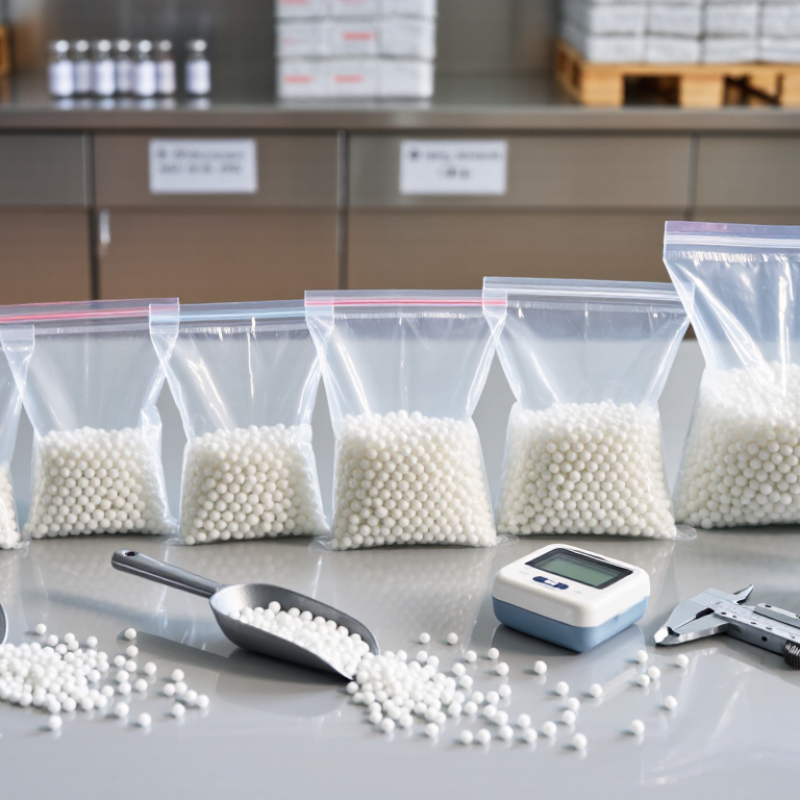
We focus on measurable details. These include moisture adsorption capacity, particle size, packaging options, batch testing, and production consistency. A strong supplier should provide a current certificate of analysis, safety data sheet, technical specifications, and traceable lot information. Samples also matter. A sealed one-kilogram bag can reveal dust levels, bead uniformity, labeling quality, and moisture protection.

Experience often appears in small details. Does the supplier use moisture-resistant inner liners? Can it maintain specifications across repeated orders? Does its export team understand pallet limits, container conditions, and destination documentation? These questions may matter more than a polished website.

Terminology needs care.

“Organic silica gel” is sometimes used commercially, although silica itself is generally an inorganic mineral material. Buyers should confirm what the label means before approving a purchase. If organic certification, food-contact suitability, or pharmaceutical use is claimed, request evidence from recognized authorities. Never rely on marketing language alone.

Our comparison considers supplier reputation, technical support, customization, minimum order quantities, and delivery reliability. It also recognizes uncertainty. Public information can be incomplete, and performance may vary by batch or destination. Therefore, readers should validate current certificates, conduct independent testing, and review contract terms before placing large orders. A supplier that looks ideal on paper may still disappoint in a humid warehouse.
10 Best Organic Silica Gel Suppliers for Global Buyers

What Defines a Reliable Organic Silica Gel Supplier

10 Best Organic Silica Gel Suppliers for Global Buyers

What Defines a Reliable Organic Silica Gel Supplier

A reliable supplier explains what “organic silica gel” means in its product documents. Silica gel itself is inorganic, so vague organic claims deserve careful questions. Ask for the formulation, raw material origin, treatment method, and intended application. Clear answers show technical confidence.

Supplier quality appears in small details. Request a recent certificate of analysis for each production batch. Check moisture adsorption, particle size, color, dust level, and residual impurities. The test method should be identified, not simply reported as “passed.” Packaging also matters. Sealed moisture barriers, batch numbers, and readable labels protect material during long transport.

Traceability is essential. A dependable company should connect the finished lot to production records and laboratory results. It should provide a safety data sheet, storage guidance, and realistic shelf-life information. Certifications can help, but buyers should verify their scope and validity. An impressive certificate alone proves little.

Communication reveals practical experience. Does the supplier answer technical questions directly? Can it explain how humidity, temperature, and packaging affect performance? Samples should be tested under the buyer’s actual conditions, not only in ideal laboratory air. One weakness in many purchasing reviews is overreliance on price. I would also inspect complaint handling, replacement policies, and response records before approving a large order. A polished website is not evidence. Steady documentation is.

How the Ten Suppliers Were Selected and Evaluated

The ten suppliers were selected through a practical screening process, not by advertising claims. We reviewed product specifications, safety documents, production capacity, and export experience. Each supplier had to provide clear silica gel grades for organic product packaging. We checked moisture absorption data, particle size, pouch materials, and stated shelf life. A complete certificate of analysis was essential. Vague technical sheets reduced the supplier’s score.

We also examined traceability from raw materials to finished cartons. Sample orders helped us inspect seal strength, dust control, labeling, and delivery consistency. We compared responses to technical questions, including storage humidity and recommended dosage. Independent laboratory testing was preferred when available. Compliance records were reviewed for destination-market requirements. However, this process is not flawless. Samples may perform better than regular batches. Delivery records can also hide seasonal problems. We therefore considered customer references, audit evidence, and repeated communication quality. Suppliers gained higher ratings when they admitted limitations and offered corrective actions. Price mattered, but it never replaced documented quality. A low quotation can become expensive after damaged packaging, delayed customs clearance, or inconsistent adsorption performance.

Profiles of the Ten Leading Global Silica Gel Suppliers

Global buyers are assessing ten leading silica gel suppliers through evidence, not polished catalog language. Grand View Research reported continued market growth, driven by moisture control in pharmaceuticals, food packaging, electronics, and logistics. However, “organic silica gel” needs careful review. Silica gel is inorganic; the phrase may describe organic packaging, low-impact processing, or a product marketed for organic supply chains.

The first supplier profile represents a high-volume Asian manufacturer with automated bead production and export experience. The second focuses on pharmaceutical desiccants and documented batch testing. The third serves food-packaging converters with dust-controlled grades. The fourth supplies electronics plants requiring narrow particle-size ranges. The fifth specializes in indicator-free, cobalt-free formulations. The sixth offers custom sachet sizes for freight containers. The seventh provides regenerated silica gel programs, although lifecycle claims require proof. The eighth operates regional warehouses, reducing delivery delays. The ninth supports laboratory and industrial chromatography applications. The tenth combines technical sales support with private-label packaging.

Quality varies.

According to Fortune Business Insights, demand is linked to stricter moisture protection across global supply chains. Buyers should request water-adsorption data, residual moisture, particle distribution, packaging integrity, and certificates from independent laboratories. ISO 9001 certification is useful, but it does not replace product testing. IMARC market analysis also highlights packaging and pharmaceutical applications as major demand areas. One practical weakness remains: supplier websites often present capacity without explaining rejection rates or storage conditions. A serious evaluation should compare samples after humid storage, not only fresh samples.

10 Best Organic Silica Gel Suppliers for Global Buyers - Profiles of the Ten Leading Global Silica Gel Suppliers

Profile Primary Supply Region Common Silica Gel Formats Typical Particle-Size Options Typical Moisture Adsorption Performance Available Indicator Options Common Packaging Formats Typical End-Use Sectors Key Buyer Verification Documents
Supplier 01 East Asia Beads Granules Packets 0.5–1.0 mm; 1–3 mm; 2–5 mm; 3–8 mm Approximately 20–30% at 20% RH; 30–40% at 80% RH, depending on grade Non-indicating; orange indicator; blue indicator subject to market restrictions 1 g–10 g sachets; 20–25 kg bags; 500–1,000 kg bulk bags Electronics, pharmaceuticals, food packaging, export cargo Technical data sheet, SDS, certificate of analysis, heavy-metal statement
Supplier 02 South Asia Type A Type B Molecular-sieve blends 1–2 mm; 2–4 mm; 4–8 mm Approximately 25–35% at 20% RH; 35–45% at 80% RH for high-activity grades Non-indicating and humidity-indicating grades Desiccant canisters; sachets; woven bags; fiber drums Leather goods, textiles, machinery, medical-device packaging Particle-size analysis, moisture-uptake test, ISO 9001 evidence, allergen statement
Supplier 03 Western Europe White beads Fine powder Custom sachets 0.2–0.5 mm; 1–3 mm; 2–5 mm Approximately 18–28% at 20% RH; 28–38% at 80% RH Non-indicating grades are commonly prioritized; indicator products require regulatory review Paper sachets; Tyvek-style sachets; cartons; drums Pharmaceuticals, diagnostics, specialty chemicals, premium packaging REACH statement, RoHS statement, GMP-related documentation where applicable, CoA
Supplier 04 North America Granular silica gel Canisters Bulk material 1–3 mm; 2–4 mm; 4–8 mm Approximately 20–30% at 20% RH; 30–40% at 80% RH Non-indicating; humidity-indicating formats available for industrial use Canisters; foil-laminate pouches; 25 kg bags; drums Industrial equipment, firearms storage, food and drug packaging SDS, lot traceability, CoA, packaging-material declaration, country-of-origin document
Supplier 05 Southeast Asia Standard beads Drying packets Container desiccants 1–3 mm; 2–5 mm; 3–8 mm Approximately 20–30% at 20% RH; 30–42% at 80% RH White non-indicating; orange indicator; cobalt-free indicator options 1 g–100 g sachets; hanging container units; 20 kg bags Footwear, furniture, consumer products, shipping containers Moisture-uptake report, SDS, RoHS/REACH declarations, packaging compliance records
Supplier 06 Middle East Industrial granules Bulk beads Custom blends 2–5 mm; 3–8 mm; 4–10 mm Approximately 18–28% at 20% RH; 28–38% at 80% RH Non-indicating and industrial indicator grades 25 kg woven bags; 500 kg bulk bags; lined drums Petrochemicals, gas drying, industrial storage, logistics Bulk-density report, crush-strength data, CoA, SDS, export classification
Supplier 07 Eastern Europe Type A beads Type B beads Sachet systems 0.5–1.0 mm; 1–3 mm; 2–5 mm Approximately 20–32% at 20% RH; 32–42% at 80% RH White; orange indicator; cobalt-free alternatives subject to specification Paper packets; nonwoven packets; cartons; bags Automotive parts, electrical equipment, pharmaceuticals, archives ISO 9001 certificate, CoA, SDS, restricted-substance declaration, stability data
Supplier 08 Latin America Beads Granules Container desiccants 1–3 mm; 2–5 mm; 3–8 mm Approximately 18–30% at 20% RH; 30–40% at 80% RH Non-indicating and color-change indicator types Small sachets; container bags; 20–25 kg bags Agricultural exports, coffee, cocoa, textiles, general cargo Food-contact declaration where required, SDS, CoA, moisture-performance test
Supplier 09 Oceania Pharmaceutical-grade beads Canisters Custom sachets 0.5–1.0 mm; 1–3 mm; 2–4 mm Approximately 18–28% at 20% RH; 28–38% at 80% RH Primarily non-indicating grades; indicator products available by request HDPE canisters; foil sachets; fiber drums; cartons Healthcare products, nutraceuticals, diagnostics, specialty packaging Pharmaceutical-grade specification, CoA, SDS, bioburden statement where applicable
Supplier 10 North Africa Standard granules Large beads Bulk desiccant 2–5 mm; 3–8 mm; 4–10 mm Approximately 18–28% at 20% RH; 28–40% at 80% RH White non-indicating; orange and cobalt-free indicator options 25 kg bags; drums; bulk bags; industrial sachets Construction materials, machinery, transport packaging, warehousing CoA, SDS, particle-size report, bulk-density report, certificate of origin
Buyer note: Silica gel is an inorganic amorphous form of silicon dioxide; the term “organic silica gel” is commonly used in marketing to distinguish products intended for organic-certified, food-related, or environmentally preferred applications. Adsorption values shown are representative industry specification ranges and should be confirmed against the supplier’s current technical data sheet, test method, and batch certificate before purchase.

Comparing Product Quality, Certifications, Pricing, and Capacity

10 Best Organic Silica Gel Suppliers for Global Buyers

Comparing Product Quality, Certifications, Pricing, and Capacity

Selecting a silica gel supplier requires more than comparing catalog prices. Buyers should request recent certificates of analysis for every grade. These reports should show moisture capacity, particle size, pH, dust level, and impurity limits. Small details matter. Uneven beads can reduce drying performance inside packaging.

Certifications also need careful review. Look for ISO 9001 quality systems, food-contact declarations, REACH compliance, and suitable safety data sheets. Organic handling claims require extra verification, because “organic” may describe packaging or processing rather than the silica itself. Ask for certificate numbers, issuing bodies, and expiry dates. Do not accept scanned logos alone. That shortcut creates risk.

Pricing usually changes with bead size, packaging, order volume, and delivery terms. A low quote may exclude testing, moisture-proof bags, or export documentation. Compare the full landed cost instead. Capacity is equally important. A supplier may promise 500 tons monthly, yet allocate only limited stock to smaller buyers. Request production schedules, backup lines, lead times, and records of on-time delivery. A factory visit or independent audit adds useful evidence. Still, no audit predicts every shipment. Batch consistency should remain the main test.

How Global Buyers Can Choose the Right Supplier for Their Needs

Choosing among the 10 best organic silica gel suppliers requires more than comparing prices. “Organic silica gel” can mean organically certified packaging, organic-modified silica, or simply non-toxic desiccant packaging. Clarify this term before requesting quotations. Mordor Intelligence’s silica gel market report projects steady growth through 2029, driven by pharmaceutical, food, electronics, and logistics applications. Growing demand does not guarantee consistent quality.

Ask suppliers for recent certificates of analysis, moisture adsorption results, particle-size data, and safety documentation. Test samples under your actual humidity and temperature conditions. ASTM E104 can support controlled desiccant performance testing. For food or pharmaceutical packaging, verify destination-market requirements, traceability, and packaging hygiene. ISO 9001 certification is useful, but it does not replace batch-level evidence. A certificate alone is not enough.

Tips: Compare delivered cost, not unit price. Check lead times, minimum order quantities, and backup production capacity. Request three recent batch records. Inspect seal quality on the outer bags. Confirm whether color-changing indicators use permitted ingredients. The UN Comtrade database can help benchmark import values and supplier-country patterns, although customs data may hide quality differences. I would also score response speed; slow replies often become costly during urgent replenishment. Supplier selection is partly technical, partly practical, and sometimes imperfect.

10 Best Organic Silica Gel Suppliers for Global Buyers

Typical silica gel water-adsorption performance increases with relative humidity. Global buyers should compare suppliers using verified laboratory data, applicable safety documentation, particle-size consistency, packaging quality, and compliance with destination-market requirements. The values shown are representative technical benchmarks rather than company or brand data.