Top Reasons to Choose Modified Acrylate Adhesive for Your Projects
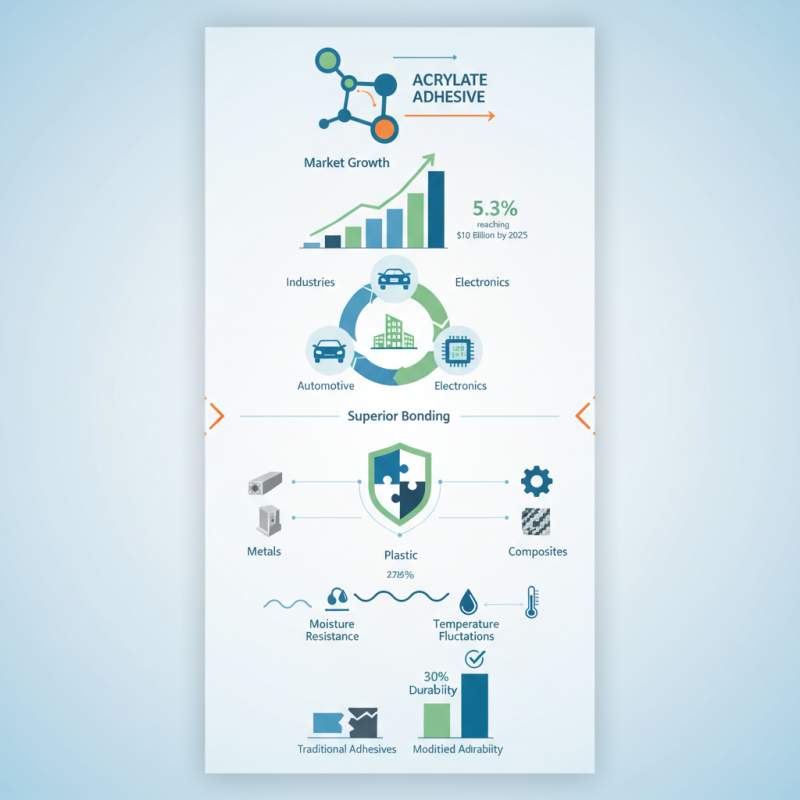
The choice of adhesive plays a crucial role in the performance and durability of various projects across multiple industries. Among the myriad of options available, Modified Acrylate Adhesive has gained significant attention due to its superior bonding capabilities and versatility. According to the latest market reports, the demand for acrylate adhesives is projected to grow at a rate of approximately 5.3% annually, reaching a market volume of $10 billion by 2025. This increasing trend is driven by the adhesive's excellent adhesion to a wide range of substrates, including metals, plastics, and composites, making it an invaluable asset in sectors such as automotive, construction, and electronics.
The unique formulation of Modified Acrylate Adhesive not only enhances its bonding strength but also provides flexibility and resistance to environmental factors such as moisture and temperature fluctuations. Recent studies highlight that projects utilizing Modified Acrylate Adhesive experience a significant decrease in failure rates, showcasing an improvement of up to 30% in long-term durability compared to traditional adhesives. As industries continue to evolve and demand more advanced solutions, opting for Modified Acrylate Adhesive is a strategic decision that can lead to enhanced project results and sustainability.
Benefits of Modified Acrylate Adhesive in Industrial Applications
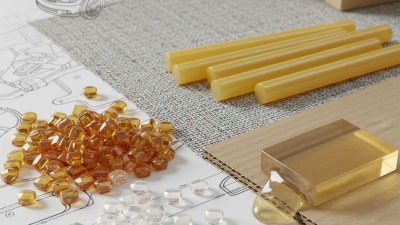
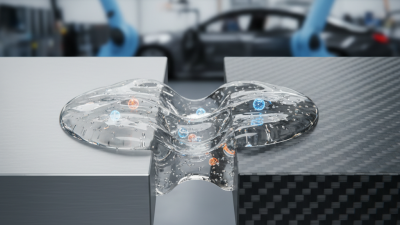
Modified acrylate adhesives have gained popularity in various industrial applications due to their unique properties that enhance bonding performance. One of the primary benefits is their exceptional flexibility and impact resistance, which make them ideal for applications where materials may experience stress or movement. These adhesives can bond a wide range of substrates including metals, plastics, and composites, ensuring a strong, durable connection that withstands intense conditions.
When considering the use of modified acrylate adhesives, it’s important to choose the right formulation for your specific application. Factors like curing time, temperature resistance, and environmental exposure should guide your selection. Incorporating these adhesives into your projects can reduce the need for additional mechanical fasteners, streamlining the manufacturing process and potentially cutting costs.
Tips: When applying modified acrylate adhesives, ensure that the surfaces are clean and free of contaminants for optimal adhesion. Testing the adhesive on a small area can also help you gauge its performance before full-scale application. Always refer to the material safety data sheets for the best handling practices and storage recommendations.
Top Reasons to Choose Modified Acrylate Adhesive for Your Projects
This chart illustrates the key benefits of using modified acrylate adhesives in industrial applications. The chart highlights five critical dimensions: Weather Resistance, Bonding Strength, Flexibility, UV Resistance, and Curing Speed, showcasing how modified acrylate adhesives excel in these areas, making them a preferred choice for various projects.
Comparative Strength and Durability of Modified Acrylate Adhesives
When selecting adhesives for various projects, the choice of a material can significantly impact longevity and performance. Modified acrylate adhesives have gained recognition for their comparative strength and durability, making them a top contender in the adhesive market. According to a report by the Adhesive and Sealant Council, modified acrylate adhesives exhibit shear strengths ranging up to 40% greater than traditional acrylics, enabling them to endure higher stress in applicable settings. Their capacity to maintain bonding integrity under extreme conditions—such as high temperatures and humidity—demonstrates their superior durability.
Tips: When working with modified acrylate adhesives, ensure that surfaces are clean and properly prepared to maximize bond strength. Additionally, applying the adhesive in a controlled environment can enhance its performance, particularly in industrial applications.
Moreover, tests have shown modified acrylate adhesives to possess excellent impact resistance. A comparative study published in the Journal of Adhesion Science and Technology emphasizes that these adhesives maintain their mechanical properties even after exposure to various environmental factors. This resilience not only extends the lifespan of bonded materials but also reduces the frequency of maintenance and repairs, which can be crucial for cost-sensitive projects.
Tips: Always refer to technical data sheets for specific adhesive properties related to your project needs, as this can provide essential insights for optimal application and usage scenarios.
Versatility of Modified Acrylate Adhesives Across Different Materials
Modified acrylate adhesives stand out for their impressive versatility when it comes to bonding various materials. This unique adaptability makes them suitable for a range of applications, from automotive assembly to electronic device manufacturing. The ability to bond metals, plastics, glass, and even porous materials like wood, ensures that modified acrylate adhesives can meet diverse project requirements without compromising on strength or durability. Their formulation allows for tailored properties that enhance adhesion to specific surfaces, making them an ideal choice for multi-material assemblies.
Furthermore, the performance of modified acrylate adhesives is not only influenced by their bonding capabilities but also by their resistance to environmental factors. Many modified acrylate adhesives maintain their effectiveness under extreme temperature fluctuations, humidity, and UV exposure. This resilience makes them particularly beneficial in applications where materials are subjected to harsh conditions. As a result, using these adhesives can extend the lifespan of products and reduce the risk of failure, thereby providing peace of mind for engineers and designers working on complex projects.
Environmental Considerations of Using Modified Acrylate Adhesives
Modified acrylate adhesives are increasingly recognized for their environmental advantages, making them a preferred choice for various applications. According to a 2022 report by the Adhesive and Sealant Council, modified acrylate adhesives exhibit lower volatile organic compound (VOC) emissions compared to traditional adhesives, significantly reducing their environmental footprint. This reduction in VOCs not only contributes to improved air quality but also aligns with global efforts to meet stringent environmental regulations. With a shift towards sustainability, many companies are now prioritizing eco-friendly materials in their production processes.
Moreover, modified acrylate adhesives are formulated to provide superior durability while being more environmentally benign. Research published in the Journal of Adhesion Science and Technology highlights that these adhesives offer excellent resistance to moisture and UV radiation, which means they endure longer, leading to less frequent repairs and replacements. This longevity translates into resource savings over time, as less material waste ultimately benefits environmental conservation. As industries increasingly focus on sustainable practices, the selection of modified acrylate adhesives not only helps meet performance standards but also fosters a commitment to environmental stewardship.
Top Reasons to Choose Modified Acrylate Adhesive for Your Projects - Environmental Considerations
| Reason |
Environmental Benefit |
Performance Characteristics |
Application Examples |
| Lower VOC Emissions |
Improves air quality and reduces pollution. |
Excellent adhesion to a wide range of materials. |
Used in furniture assembly and automotive applications. |
| Water Resistance |
Suitable for outdoor applications, reducing waste. |
Strong bond even under wet conditions. |
Ideal for construction and waterproofing projects. |
| Recyclability |
Contributes to a circular economy. |
Maintains bond strength after recycling. |
Applicable in consumer electronics and packaging. |
| Rapid Curing Time |
Reduces resource consumption during production. |
Fast setting, allowing for quicker project completion. |
Efficient for high-volume production lines. |
| Versatile Applications |
Minimizes the need for multiple products. |
Can bond materials like metal, glass, and plastics. |
Used in various industries, including construction and automotive. |
Cost-Effectiveness of Modified Acrylate Adhesives in Project Implementation
When considering the implementation of various projects, cost-effectiveness is a paramount factor influencing material selection. Modified acrylate adhesives present an optimal choice due to their balance between performance and economical pricing. These adhesives offer exceptional bonding strength and versatility for a range of substrates, which can help reduce the need for additional materials and labor during the project lifecycle. The reduced application time and ease of use translate into lower overall project costs, making them particularly appealing for budget-conscious operations.
Furthermore, modified acrylate adhesives exhibit impressive durability and resistance to environmental factors, which ensures that initial investments are safeguarded against future repairs and replacements. Their quick curing times can accelerate project timelines, allowing for faster completion rates without compromising quality. Consequently, selecting modified acrylate adhesives not only streamlines the installation process but also reinforces long-term financial savings, ultimately enhancing the profitability of projects while maintaining high standards of performance.