2026 Top Trends in Crylate Adhesive Applications and Innovations?
The landscape of adhesive technology is changing rapidly. Among these innovations, Crylate Adhesive stands out for its versatility. This type of adhesive is being used in various industries, from automotive to electronics. Its unique properties, such as strong bonding and resistance to extreme temperatures, make it a popular choice.
In 2026, we anticipate exciting trends in the application of Crylate Adhesive. Manufacturers are exploring new formulations that enhance performance. These advancements aim to solve common challenges like curing speed and environmental stability. However, there are still hurdles to overcome. Some applications face issues with bond longevity. The quest for improvement continues. With ongoing research, we can expect promising developments.
As companies embrace these trends, it is crucial to address potential drawbacks. For instance, the environmental impact of production is a concern. Not all innovations lead to sustainability. The industry must reflect on its practices. Balancing performance with eco-friendliness presents a challenge. Overall, the future of Crylate Adhesive applications is bright, yet complex.

2026 Overview of Crylate Adhesives: Market Size and Growth Forecasts
The crylate adhesive market is poised for significant growth through 2026. This surge is driven by rising demand across numerous industries, including automotive, construction, and electronics. According to a recent industry report, the global crylate adhesive market size is projected to reach $3 billion by 2026, with a CAGR of 7.5%.
With advancements in technology, innovations in crylate formulations are enhancing their performance. For example, the development of environmentally friendly adhesives has gained momentum. These products offer strong bonding capabilities while minimizing environmental impact. However, the market faces challenges. Some traditional adhesives release volatile organic compounds (VOCs), prompting a shift toward safer alternatives.
Regional growth varies as well. North America continues to lead in revenue, due to its mature manufacturing sector. However, Asia Pacific is expected to show the highest growth rate, fueled by expanding industries and increasing urbanization. While these trends are promising, the market must address the need for compliance with stringent regulations on adhesive safety and environmental impact.
Key Innovations in Crylate Adhesive Formulations for Enhanced Performance
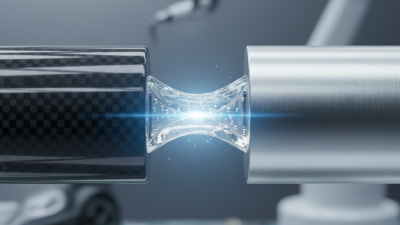
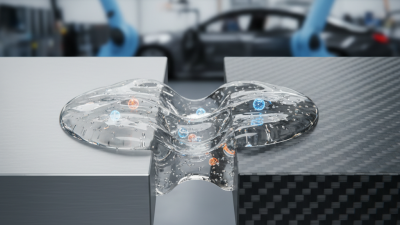
The advancements in cryLate adhesive formulations are transforming various industries. New components are being integrated to enhance adhesion and durability. These formulations now offer better performance across a range of temperatures and surfaces. For instance, some adhesives can bond plastics, metals, and composites effectively. This versatility broadens their application potential significantly.
Another key innovation involves improving cure speed without sacrificing bond strength. Faster curing times allow manufacturers to increase production efficiency. They can produce finished products more quickly than ever. However, there are challenges. Not all substrates respond well to faster curing adhesives. Testing is necessary to find the right match.
Moreover, sustainability is a growing focus. Eco-friendly raw materials are being incorporated into formulations. Even as performance improves, the environmental impact is a concern. Balancing efficiency with ecological responsibility remains a complex issue. This ongoing struggle highlights the need for continuous evaluation and adjustment in formulation practices.
Applications of Crylate Adhesives in Automotive and Aerospace Industries
The automotive and aerospace industries increasingly rely on crylate adhesives for their unique properties. These adhesives exhibit superior bonding strength, flexibility, and resistance to temperature and moisture. In automotive applications, they withstand stress and vibrations, making them ideal for structural components. Reports indicate that the demand for crylate adhesives in automotive manufacturing is projected to grow by 8% annually through 2026. This growth stems from the need for lightweight materials that enhance fuel efficiency.
In the aerospace sector, crylate adhesives are essential for assembling various components, including wings and fuselage. Their high performance meets the stringent safety standards required for aviation. Innovations in these adhesives include formulations that cure faster and improve thermal stability. However, challenges remain. The environmental impact of certain components in crylate adhesives raises questions. Manufacturers need to balance performance with sustainability. The push for eco-friendly alternatives is gaining traction, but often comes with trade-offs in bond strength.
Overall, crylate adhesives play a critical role in driving advancements in the automotive and aerospace industries. Their application continues to evolve, responding to the demands of modern engineering. Reports highlight an increasing focus on research and development to address current shortcomings. The future looks promising, yet significant work remains to optimize these adhesives while considering environmental implications.
Sustainability Trends Driving Crylate Adhesive Development and Usage
The rise of sustainability has profoundly impacted the development of crylate adhesives. Manufacturers are now prioritizing eco-friendly formulations. These adhesives reduce environmental impact through their production process. There is a remarkable shift toward bio-based raw materials. This change resonates with a growing consumer demand for greener products.
Moreover, the life cycle of these adhesives is under scrutiny. Durability is essential to ensure long-term use. However, focusing solely on renewable materials can sometimes lead to trade-offs in performance. Striking the right balance is a challenge. Innovation in adhesives is necessary, yet not without risks.
In the quest for sustainability, waste reduction is crucial. Manufacturers are exploring circular economy principles. Recyclability and reusability are becoming major considerations. However, the path to full sustainability is complex. These efforts need to be continuously evaluated. The journey is ongoing, with challenges ahead. It will require collaboration and creativity in formulation to achieve true sustainability.
Challenges and Solutions in Crylate Adhesive Applications for 2026
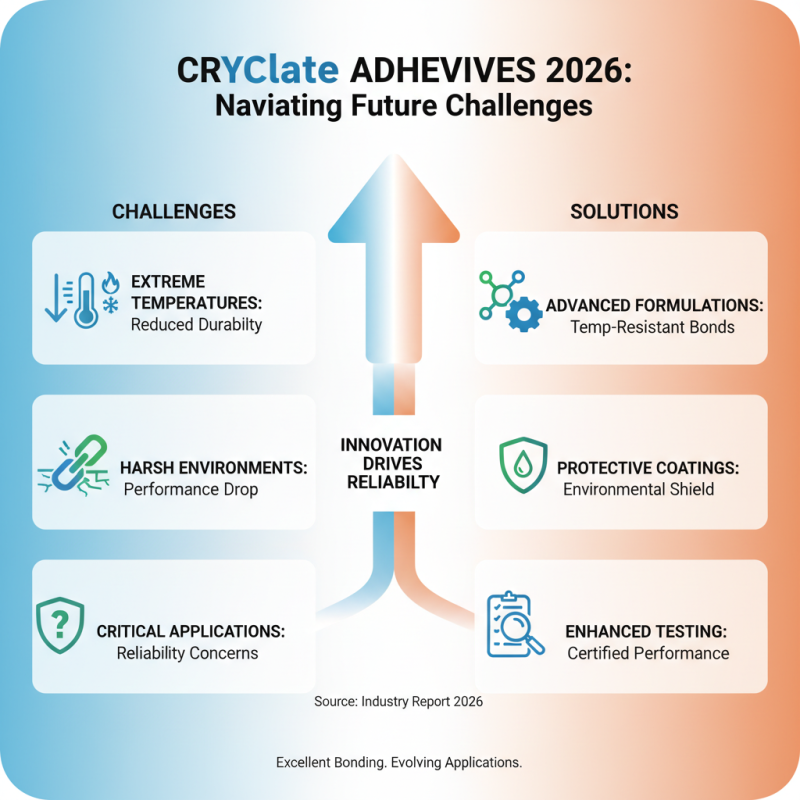
As we move into 2026, crylate adhesives face distinct challenges. These adhesives are known for their excellent bonding properties. However, their application can be tricky. Issues arise with bond durability under extreme temperatures. Many users report that performance drops in harsh environments. This raises questions about reliability in critical applications.
Another challenge is the environmental impact of crylate adhesives. While effective, they often contain solvents that can be harmful. There is a growing demand for eco-friendly alternatives. Innovations must focus on reducing VOC emissions. Manufacturers are exploring new formulations to address this issue. However, the transition is not always smooth. Balancing performance with sustainability remains a significant hurdle.
Education is crucial for overcoming these obstacles. End-users need training on proper application techniques. Misapplication can lead to bond failure, causing costly mistakes. Continuous R&D is essential for improving material properties. The industry must adapt to meet evolving needs. Reflection on these challenges will drive further innovation in crylate adhesive technologies.