Top Uses of Polyamide Hot Melt Adhesive for Global Buyers?
Polyamide Hot Melt Adhesive has gained significant attention in various industries due to its unique properties and applications. This versatile adhesive provides strong bonding capabilities, making it a preferred choice for manufacturers worldwide. Its ability to withstand extreme temperatures and harsh environmental conditions enhances its appeal for diverse uses.
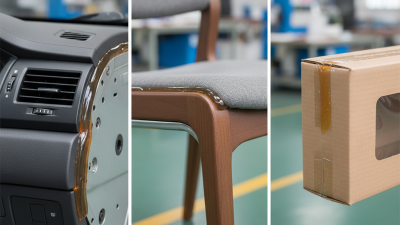
In the automotive sector, Polyamide Hot Melt Adhesive is essential for assembling components. It ensures durability and reliability in vehicles’ parts, contributing to overall vehicle performance. The electronics industry also benefits from its remarkable adhesion, especially for adhering components in smartphones and devices, where precision is crucial.
Despite its advantages, there are challenges in selecting the right formulation. Not all Polyamide Hot Melt Adhesive products perform equally. Buyers must consider factors like application methods and substrate compatibility. An informed choice can lead to improved product lifetime and performance. As global demand grows, understanding this adhesive's top uses becomes critical for buyers seeking quality solutions.

Applications of Polyamide Hot Melt Adhesive in Industrial Manufacturing
Polyamide hot melt adhesives (HMAs) are gaining popularity in industrial manufacturing due to their robust properties. Their superior thermal stability makes them ideal for various applications. These adhesives bond well with multiple substrates, including plastics, metals, and textiles. The versatility allows for efficient use in assembling complex products.
In the automotive sector, polyamide HMAs play a critical role. They secure components like sensors and electronics, contributing to vehicle safety and performance. In electronics manufacturing, they provide exceptional adhesion and long-lasting durability for circuit boards. However, challenges exist. Finding the right adhesive line speed is essential for maximizing production efficiency.
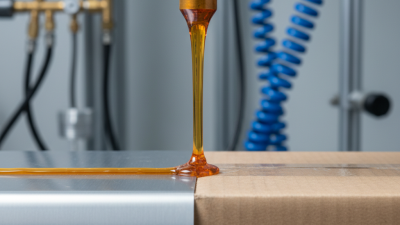
The packaging industry also benefits from polyamide HMAs. They ensure strong seals in food packaging, enhancing shelf life. Despite their effectiveness, users must monitor the application temperature carefully. Adhesives that are too hot can degrade materials. There’s an ongoing need for research in optimizing these adhesives for various environmental conditions. Effective use of polyamide HMAs requires understanding the materials involved and continuous evaluation of performance.
Top Uses of Polyamide Hot Melt Adhesive in Industrial Manufacturing
Benefits of Using Polyamide Hot Melt Adhesives in Various Industries
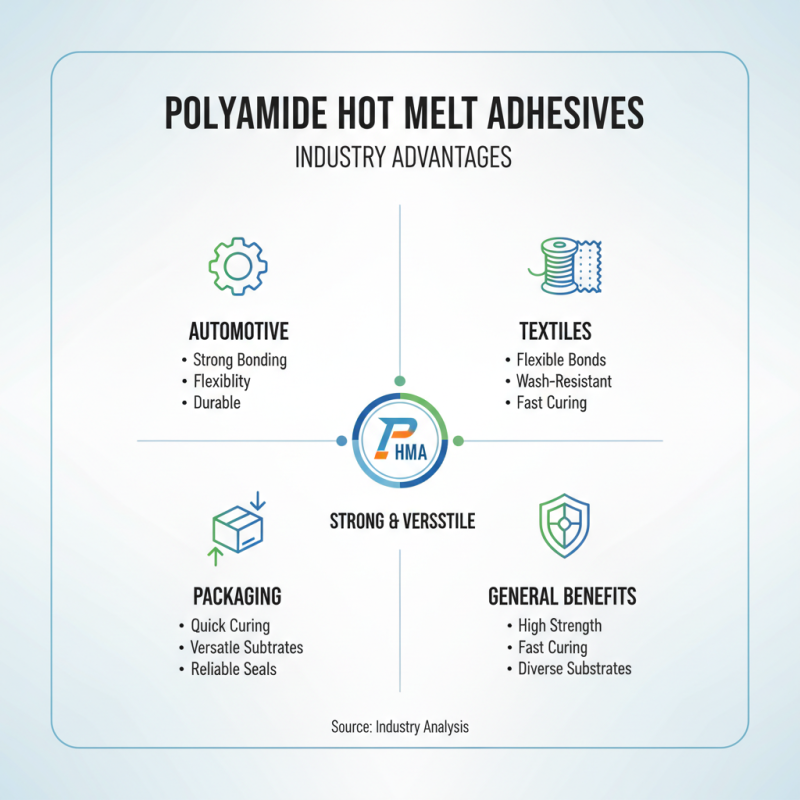
Polyamide hot melt adhesives are gaining traction across multiple industries. These adhesives offer significant advantages in various applications, such as automotive, textiles, and packaging. Their strength and flexibility make them ideal for bonding significant materials. Many manufacturers choose them for their quick curing times and ability to adhere to diverse substrates.
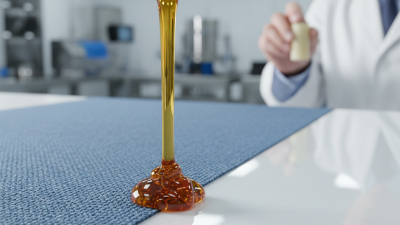
In the automotive sector, polyamide adhesives excel in joining components like car interiors, electronic parts, and insulation materials. Their resistance to heat and chemicals ensures longevity in harsh environments. In textiles, these adhesives provide durability and flexibility, essential for clothing and upholstery items. However, the reliance on these materials may pose challenges in sustainability, prompting industry leaders to explore eco-friendly alternatives.
The packaging industry benefits from polyamide adhesives due to their moisture resistance and excellent thermal properties. These attributes are crucial for maintaining product integrity. While their advantages are clear, the environmental impact should not be overlooked. Continuous improvement and sustainable practices are necessary for future development. Balancing performance with eco-responsibility remains an open question for many companies.
Comparative Analysis of Polyamide vs. Other Adhesive Types
Polyamide hot melt adhesives are gaining traction in various industries due to their strong bonding capabilities. According to recent market reports, these adhesives display excellent thermal stability and flexibility, making them suitable for demanding applications. Polyamide adhesives outperform many alternatives in specific sectors, such as automotive and electronics, where high-temperature resistance is crucial. They can withstand temperatures ranging from -40°C to 120°C, which is often higher than typical polyurethane alternatives.
When comparing polyamide to other adhesive types, certain limitations arise. While polyamide offers superior adhesion and resistance, it often falls short in bonding to wet surfaces. Data suggests that polyamide adhesives do not perform well under extremely humid conditions, which is a disadvantage. In contrast, water-based adhesives excel in such environments but may lack strength compared to polyamide. Additionally, polyamide adhesives can be more costly. This price point can be a barrier for some manufacturers who need to balance performance with operational budgets. Therefore, prospective buyers must weigh long-term benefits against immediate costs when considering polyamide adhesives for their projects.
Market Trends and Demand for Polyamide Hot Melt Adhesives Globally
The global demand for polyamide hot melt adhesives is witnessing significant growth, driven by various market trends. According to a recent report, the market size is projected to reach USD 1.2 billion by 2026, with a compound annual growth rate (CAGR) of 5.8%. This rise is largely due to the increasing adoption in automotive, electronics, and packaging industries.
Polyamide hot melt adhesives offer superior performance qualities, including excellent adhesion strength and thermal resistance. Manufacturers favor them for applications where durability is crucial. For instance, in automotive production, these adhesives can endure high temperatures and vibrations, making them ideal for assembly processes. However, there are challenges related to their environmental impact. Many are formulated with synthetic materials, raising sustainability concerns among manufacturers and consumers alike.
Market players are focusing on innovation to address these issues. Researchers suggest shifting toward bio-based polyamide formulations, which could enhance sustainability. The industry must also adapt to changing regulations and consumer preferences for greener products. Continuous market analysis and adaptation will be critical in meeting global expectations for polyamide hot melt adhesive usage.
Top Uses of Polyamide Hot Melt Adhesive for Global Buyers
| Application |
Market Share (%) |
Growth Rate (CAGR %) |
Key Drivers |
| Automotive |
25 |
7.5 |
Lightweight materials, durability |
| Electronics |
20 |
6.2 |
Increased consumer electronics demand |
| Construction |
15 |
5.0 |
Sustainable building practices |
| Textiles |
30 |
8.1 |
High performance fibers |
| Packaging |
10 |
4.5 |
Consumer demand for convenience |
Challenges and Limitations in the Use of Polyamide Hot Melt Adhesives
Polyamide hot melt adhesives are increasingly popular in various industries due to their strong bonding properties and versatility. However, users face several challenges when utilizing these adhesives. One such concern is temperature sensitivity. Polyamide adhesives can degrade under high heat, limiting their applications in environments with fluctuating temperatures. This factor requires careful consideration during material selection.
Another limitation is the requirement for specific substrates. Polyamide adhesives may not adhere well to all surfaces. For example, they struggle with plastics that have low surface energy. This issue complicates product design, as users must evaluate compatibility prior to application. Additionally, the adhesive's solid form must often be melted and applied with precision, demanding specific equipment and training.
Furthermore, the presence of moisture can weaken the bond formed by polyamide adhesives. In humid environments, users may encounter increased failures, necessitating thorough testing. These challenges highlight the need for expertise in material selection and application processes. Understanding these limitations allows manufacturers and users to optimize their use of polyamide hot melt adhesives and enhance product performance.