How to Use Polyester Hot Melt Adhesive for Effective Bonding Solutions?
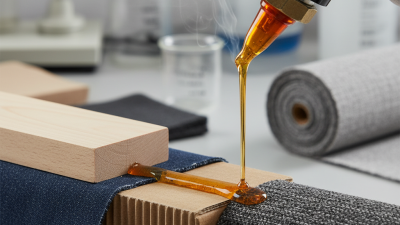
In the world of bonding solutions, the use of Polyester Hot Melt Adhesive has garnered significant attention. Dr. Emily Browning, a leading expert in polymer chemistry, emphasizes its versatility. She states, “Polyester Hot Melt Adhesive can create strong, durable bonds across various materials.” This adhesive type is known for its fast-setting properties and adaptability in different applications.
Understanding how to use Polyester Hot Melt Adhesive effectively is essential. Its performance can vary based on temperature, surface preparation, and material compatibility. Users often struggle to find the right conditions for optimal adhesion. A well-prepared surface is crucial for achieving a reliable bond. Without it, even the best adhesive may fail.
The industry acknowledges that challenges exist when working with these adhesives. Some may not achieve the desired results, leading to frustrating experiences. Continuous learning and experimentation are vital. By embracing these challenges, users can refine their techniques and achieve better outcomes with Polyester Hot Melt Adhesive.

Understanding Polyester Hot Melt Adhesive Properties
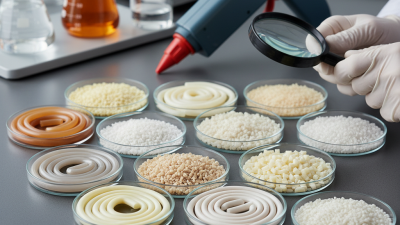
Polyester hot melt adhesives are gaining traction in many industries due to their unique properties. These adhesives exhibit excellent thermal stability and resistance to moisture. According to a report by the Adhesive and Sealant Council, the market for hot melt adhesives is projected to grow to $9.1 billion by 2026. This growth signals that more companies recognize the advantages of polyester formulations.
Polyester hot melts provide remarkable bonding strength. They adhere well to various substrates, including wood, metal, and plastics, making them versatile. Their ability to maintain performance in challenging conditions is essential for sectors like automotive and construction. However, it’s important to note that these adhesives can be sensitive to high temperatures. At certain points, performance may degrade. Proper application techniques are crucial for maximizing efficacy and ensuring long-lasting bonds.
Understanding the specific properties of polyester adhesives can sometimes be challenging. For example, while they excel in tensile strength, the initial tack may be lower compared to other formulations. Testing in real-world conditions can help determine best practices. Each application might require adjustments to achieve optimal results. Balancing the formulation with the end-use requirements is key for effective bonding solutions.
Preparing Surfaces for Optimal Adhesive Bonding
When using polyester hot melt adhesive, preparing surfaces is crucial for effective bonding. Clean and smooth surfaces enhance adhesion strength significantly. According to a report by the Adhesive and Sealant Council, properly prepared surfaces can increase bond strength by up to 50%. Dirt, oil, or moisture can lead to weak joints.
To achieve optimal bonding, start by cleaning surfaces with an appropriate solvent. Ensure no residues remain, as any contaminants will compromise the bond. Roughening the surface can also enhance adhesion. A small amount of abrasion can provide more area for the adhesive to grip. Remember, the goal is to create a solid connection without any interference.
**Tips:** Always test your surface preparation approach on a small area first. Monitor for any signs of issues, like bubbling or peeling. Adjust your cleaning or roughening technique accordingly. Regular training for staff on the importance of surface preparation can lead to better results. Adopting these practices fosters improved product performance and customer satisfaction.
Bonding Strength of Polyester Hot Melt Adhesive on Different Surfaces
Application Techniques for Polyester Hot Melt Adhesive
Polyester hot melt adhesive is a versatile solution for various industries. Understanding its application techniques is crucial for achieving strong, lasting bonds. One effective method is to ensure the surface is clean and dry. Contaminants can weaken the adhesion.
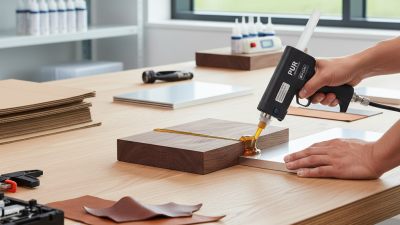
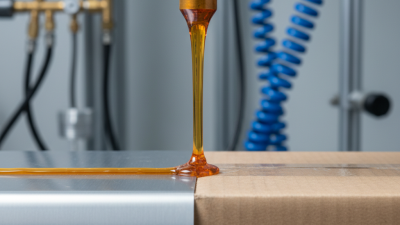
Another key technique involves applying the adhesive evenly. Irregular application can lead to weak spots. Utilize a hot melt applicator for precision. The temperature should be monitored closely. Too hot can damage materials, too cool can cause poor adhesion.
Tips: Always test on scrap materials first. This helps gauge the bond strength and checks if the adhesive suits your project. Adjusting the application technique based on material type can significantly improve results. Remember, every project can differ. Learning from failed attempts is part of mastering this adhesive. Stay patient and keep experimenting for the best outcomes.
Curing and Set Time Considerations for Effective Bonding
Curing and set time are critical factors in using polyester hot melt adhesive. Understanding these aspects can significantly enhance the bonding process. Typically, the curing time depends on several elements, such as ambient temperature and humidity. At higher temperatures, adhesives cure faster. However, in cold or humid conditions, the set time can extend. This variability may cause frustration during projects if not adequately considered.
It's essential to conduct a small test before applying the adhesive on a larger scale. This practice allows you to gauge how quickly the adhesive bonds under specific conditions. Watch for the initial tack and full bond strength. Failure to account for varying cure times can result in weaker joints. Adjusting the application technique based on your findings can lead to more reliable results.
If you're working in a fast-paced environment, remember that rushing the cure can undermine the integrity of your bond. Take the time needed for the adhesive to set properly. Reflect on whether your timing and conditions support effective curing. This careful approach may lead to better bonds and, ultimately, greater satisfaction in your projects.
How to Use Polyester Hot Melt Adhesive for Effective Bonding Solutions? - Curing and Set Time Considerations for Effective Bonding
| Application Area |
Curing Time (mins) |
Set Time (mins) |
Bond Strength (N/mm²) |
Temperature Resistance (°C) |
| Woodworking |
5 |
10 |
12 |
80 |
| Textile Industry |
3 |
7 |
10 |
70 |
| Automotive |
8 |
15 |
15 |
100 |
| Packaging |
4 |
9 |
8 |
60 |
| Electronics |
6 |
12 |
18 |
90 |
Troubleshooting Common Bonding Issues with Polyester Adhesives
When working with polyester hot melt adhesives, troubleshooting common bonding issues is essential for achieving reliable results. One frequent problem is improper surface preparation. Surfaces must be clean and dry. Any contamination can lead to weak bonds. Checking for dust, grease, or moisture is vital before applying the adhesive.
Another issue arises from incorrect temperature control during the application process. Polyester adhesives require specific melting temperatures. If the adhesive is too cool, it won’t bond effectively. Conversely, overheating can degrade the adhesive. It’s critical to monitor your equipment closely. A simple thermometer can help, ensuring optimal conditions.
Additionally, bond strength can diminish if the adhesive is not applied evenly. Uneven application leads to air pockets and weak spots. This can be frustrating and requires careful attention. Experimenting with different application techniques might provide better outcomes. Testing under various conditions guides improvements, helping refine your approach to using polyester adhesives.