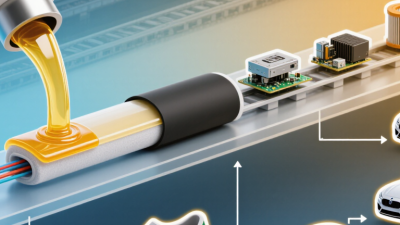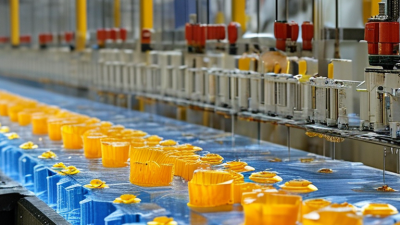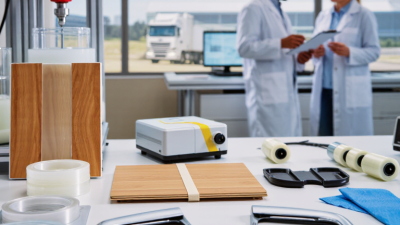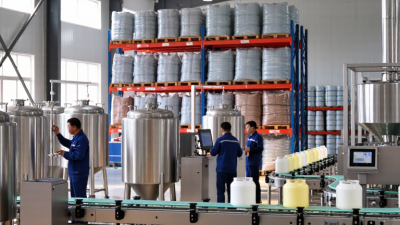

Choosing a reliable Polyamide Hot Melt Adhesive supplier requires more than comparing prices or product catalogs. Performance can change sharply with temperature, humidity, substrate type, and application speed. A formulation that bonds nylon well may behave differently on metal, textiles, electronics, or coated films.
Dr. Robert W. Messler, an adhesive-technology researcher, puts the principle clearly: “The right adhesive is selected for the application, not simply for its name.” This insight matters when evaluating global suppliers. Strong candidates should demonstrate practical formulation expertise, stable batch quality, documented technical data, and responsive engineering support. Their materials should also match the required softening point, open time, flexibility, chemical resistance, and long-term durability.
This guide reviews seven notable Polyamide Hot Melt Adhesive suppliers worldwide. The comparison considers product range, manufacturing experience, customization ability, quality systems, technical service, and regional availability. It also looks beyond polished marketing claims. Can the supplier explain failure analysis? Can it support trials on a real production line? Can it provide consistent delivery when demand changes?
Details matter.
A sample drum, heated hose, and coated fabric often reveal more than a brochure. Still, no ranking is flawless. Supplier strengths vary by market, application, and project scale. Buyers should validate recommendations through laboratory testing, pilot production, and independent compliance checks. The best choice is rarely the most famous name. It is the supplier that understands the application, documents its claims, and remains dependable after the first purchase.

Polyamide hot melt adhesives are thermoplastic bonding materials made from polyamide resins. They soften when heated, flow across a prepared surface, and solidify during cooling. Unlike reactive adhesives, they usually need no curing agent or solvent. This supports cleaner production and faster assembly.
Their main strengths include high heat resistance, strong adhesion to textiles, metals, plastics, and coated films, and good resistance to oils and chemicals. Many grades offer softening points above 150°C, although exact performance depends on resin chemistry and formulation. MarketsandMarkets’ 2024 Hot Melt Adhesives report estimates the wider market will grow from about USD 10 billion in 2024 to more than USD 13 billion by 2029. This growth reflects demand for efficient, solvent-free bonding in transportation, electronics, footwear, and industrial components.
In practical use, a polyamide adhesive can appear as pellets, powder, film, or web. A controlled melting temperature matters. Excess heat may darken the adhesive or damage sensitive substrates. Poor surface cleaning can also reduce bond strength. That detail is often underestimated. Testing should include peel strength, aging, moisture exposure, and repeated heating cycles. A 2023 technical review published in International Journal of Adhesion and Adhesives notes that polyamide performance depends strongly on crystallinity, cooling rate, and substrate compatibility. Results can vary more than expected. Supplier data alone is not enough; production trials remain essential.
When comparing seven global polyamide hot melt adhesive suppliers, begin with technical fit. Review viscosity, softening range, open time, and bonding strength. These values should match your application, not merely appear impressive in a datasheet. Request samples from several production lots. Then test them on your actual substrate, equipment, and operating temperature.
Experience matters. A capable supplier should explain how its adhesive performs during coating, lamination, or wire bonding. Ask for clear test methods, aging results, and resistance data for heat, oils, and humidity. Do not rely on laboratory figures alone. A sample may work well in a clean lab but fail after repeated heating cycles. I have seen this gap create costly production delays.
Supplier reliability also depends on manufacturing discipline. Check batch traceability, quality inspection records, packaging protection, and delivery history. Technical support should respond with specific recommendations, not generic promises. Confirm whether the supplier can maintain consistent color, viscosity, and melting behavior across repeated orders. Transparent documentation supports trust. Still, no evaluation is perfect. Forecasts can change, and test conditions may overlook real factory stress. Leave room for another trial before approving long-term supply.
The seven leading polyamide hot melt adhesive suppliers worldwide compete through thermal stability, bonding strength, and application support. Their materials serve automotive wiring, textile laminates, electronics, filtration, and industrial assembly.
Market context remains positive. MarketsandMarkets projects the global hot melt adhesives market to grow from approximately USD 10.5 billion in 2023 to USD 14.2 billion by 2028. Polyamide grades occupy a specialized segment, valued for resistance to oils, fuels, and elevated temperatures.
Grand View Research also identifies automotive, packaging, and electronics as major demand areas. However, broad market figures do not fully represent polyamide performance.
Experienced buyers should compare softening point, open time, viscosity, tensile strength, and moisture resistance. A reliable supplier should provide technical data sheets, batch traceability, safety documentation, and application testing. Regional supply coverage also matters, especially when production requires stable delivery across Asia, Europe, and North America.
The ranking is not absolute. A supplier with excellent laboratory data may still perform poorly on a fast production line. That gap matters.
Field trials should use the customer’s actual substrates, pressure, temperature, and cycle time. Independent reports offer useful direction, but plant-level evidence remains stronger.
A small test can reveal unexpected brittleness. That is often where confidence should slow down.
Selecting the seven best polyamide hot melt adhesive suppliers requires more than comparing catalog prices. Strong suppliers usually offer pellets, powders, films, webs, and shaped adhesive parts. Each format serves a different production method. Pellets suit automated coating lines, while films provide cleaner, measured bonding.
Their application experience often covers automotive interiors, textile lamination, cable components, electronics, footwear, and industrial filters. Polyamide hot melts can bond fabrics, metals, rubber, and selected plastics. They also provide useful resistance to oils, vibration, and moderate heat. However, performance depends heavily on the substrate and processing temperature. That assumption can fail.
Technical strength appears in formulation control. Reliable suppliers should provide softening data, viscosity curves, open time, wash resistance, and aging results. They may adjust flexibility, color, melt flow, or adhesion for a specific assembly. Small trial batches matter. A glossy technical sheet cannot replace peel tests on the actual fabric or plastic.
Some suppliers support extrusion coating, spray application, and ultrasonic bonding. Others specialize in moisture-sensitive or low-odor grades. Their laboratories may use climate chambers, tensile testers, and microscopic failure analysis. Ask how they investigate a failed bond. The answer reveals practical competence. Documentation should remain consistent across production lots, although real-world variation still deserves attention. A supplier may recommend an excellent grade, yet the factory’s nozzle design, cooling rate, or surface cleaning can change the result.
| Supplier Profile | Typical Polyamide Product Range | Common Product Forms | Primary Applications | Technical Strengths | Typical Processing Range | Resistance and Performance | Best-Fit Buyer Requirement |
|---|---|---|---|---|---|---|---|
| Supplier 1 Global Engineering Adhesive Specialist |
Co-polyamide High-performance PA Flexible grades Reactive-compatible options | Pellets, granules, powder, adhesive film, and pre-coated textile formats. | Automotive interior components, technical textiles, footwear, filters, and industrial assemblies. | Broad formulation coverage; controlled melt viscosity; good adhesion to textiles, leather, plastics, and metals; options for flexible or rigid bonds. | Approximately 160–220°C, depending on grade, equipment, and substrate. | Good resistance to oils, fuels, many solvents, and elevated temperatures; performance depends on the selected polyamide chemistry. | Manufacturers needing one technical portfolio for several industrial bonding processes. |
| Supplier 2 Textile and Apparel Adhesive Specialist |
Low-pressure PA Textile coating grades Powder adhesives Film grades | Fine powder, thermoplastic adhesive web, film, pellets, and coated carrier materials. | Garment interlining, seam bonding, protective clothing, sportswear, labels, and textile lamination. | Good wash durability; uniform powder distribution; strong fabric wetting; suitable for dot coating, powder scattering, and lamination. | Approximately 120–190°C, selected according to fabric sensitivity and coating process. | Good flexibility and laundering resistance; available grades can provide resistance to dry cleaning and repeated mechanical stress. | Textile converters requiring soft hand feel, reliable wash performance, and controlled coating weight. |
| Supplier 3 Wire, Cable, and Electrical Encapsulation Specialist |
Electrical-grade PA Encapsulation compounds Low-halogen options High-temperature grades | Pellets, granules, molded inserts, and application-specific preforms. | Wire harnesses, cable joints, sensors, coils, connectors, and electrical component protection. | Strong adhesion to copper, aluminum, engineering plastics, and cable jackets; controlled flow for encapsulation; good dimensional stability. | Approximately 170–230°C, with exact conditions determined by melt viscosity and component sensitivity. | Good electrical insulation potential, moisture protection, vibration resistance, and resistance to automotive fluids when properly formulated. | Electrical and automotive producers needing durable protection around irregularly shaped components. |
| Supplier 4 Footwear and Leather Bonding Specialist |
Flexible PA Low-softening grades Leather bonding grades Fast-setting formulas | Pellets, granules, powder, adhesive film, and pre-applied adhesive tapes. | Footwear uppers, insoles, leather goods, bags, belts, and flexible molded components. | High green strength; good flexibility; rapid setting; strong adhesion to leather, synthetic leather, rubber, fabrics, and selected plastics. | Approximately 130–190°C, depending on the bonding line and substrate heat resistance. | Good flex-fatigue performance and resistance to common oils and plasticizers; grade selection is important for hydrolysis-sensitive environments. | Footwear and leather-goods factories seeking clean, solvent-free bonding with short cycle times. |
| Supplier 5 Automotive and Transportation Materials Specialist |
High-temperature PA Low-VOC grades Reinforced-compatible grades Interior trim adhesives | Pellets, granules, adhesive films, coated scrims, and customized preforms. | Headliners, door panels, acoustic insulation, seat components, under-hood parts, and interior trim. | Good heat resistance; low volatile content; strong adhesion to nonwoven fabrics, foams, metals, and automotive plastics; suitable for automated application. | Approximately 170–230°C, subject to application equipment and component temperature limits. | Good resistance to vibration, aging, automotive fluids, and temperature cycling when matched with the correct grade. | Tier suppliers requiring repeatable processing, low emissions, and long-term durability in vehicle interiors or components. |
| Supplier 6 Electronics and Industrial Assembly Specialist |
Precision-melt PA Low-viscosity grades Insulating grades Custom compounds | Pellets, granules, thin films, molded adhesive parts, and application-specific cartridges. | Electronic modules, sensors, battery-related assemblies, appliance components, and industrial housings. | Precise flow control; good encapsulation of small parts; strong adhesion to metals and engineering polymers; clean application with no solvent evaporation. | Approximately 150–220°C, depending on viscosity, dispensing method, and substrate compatibility. | Good resistance to vibration, humidity, thermal cycling, and many household or industrial chemicals; electrical requirements must be validated by testing. | Assemblers needing accurate dispensing, compact bond lines, and low-emission thermoplastic bonding. |
| Supplier 7 Specialty and Sustainable Adhesive Portfolio Provider |
Bio-based PA options Reprocessable grades Recycled-content options Specialty copolyamides | Pellets, granules, powder, films, and custom-formulated adhesive compounds. | Consumer goods, packaging components, technical textiles, sporting goods, filtration, and industrial prototyping. | Formulation flexibility; potential reduction in fossil-based content; tunable softness, open time, melt viscosity, and adhesion profile. | Approximately 130–210°C, depending on polymer structure and selected application method. | Performance can range from flexible and low-temperature bonding to high-strength and heat-resistant bonding; sustainability claims require product-specific verification. | Product developers balancing bonding performance with material-footprint, recyclability, or bio-based content objectives. |
Technical ranges are representative industry values rather than guaranteed specifications. Final selection should be based on the supplier’s technical data sheet, substrate testing, processing equipment, required certifications, and end-use conditions.
Choosing among polyamide hot melt adhesive suppliers requires more than comparing prices. Start with your application details: substrate type, bonding temperature, flexibility, moisture exposure, and expected service life. A supplier should explain how its adhesive performs on your actual materials, not only present general laboratory data.
Ask for technical datasheets, safety information, batch traceability, and recent test results. Check viscosity, open time, softening range, and recommended processing temperature. These values affect coating quality, equipment stability, and production speed.
Reliable suppliers also provide samples and support controlled trials. Test peel strength after heat, humidity, and repeated bending. Small failures often appear only after conditioning.
Production capacity matters, especially for international purchasing. Confirm minimum order quantities, lead times, packaging protection, and backup production plans. Review quality systems and communication practices. A responsive engineer can solve a clogged nozzle faster than a polished sales presentation.
I have seen specifications look complete while application guidance remained vague. That is a warning sign. Supplier selection is never perfectly objective, either. A lower-cost material may reduce adhesive use, but it may demand tighter temperature control.
Compare total operating cost, not just the price per kilogram. Document each trial and request written responses to unresolved questions. A dependable supplier accepts technical scrutiny and admits limitations. That honesty is often more valuable than a perfect promise.