Top 10 Benefits of Polyamide Hot Melt Adhesive for Your Business?
In today's competitive marketplace, businesses are constantly seeking efficient solutions to enhance their operations. One such innovative approach is the use of Polyamide Hot Melt Adhesive. "Polyamide Hot Melt Adhesives are revolutionizing manufacturing processes," says Dr. John Smith, a leading expert in adhesive technologies. His insights provide a foundation for understanding the transformative benefits these adhesives offer.
Polyamide Hot Melt Adhesives deliver significant advantages in various industries. Their exceptional bonding strength ensures long-lasting results that can withstand stress and environmental factors. This versatility allows them to be applied in numerous applications, from automotive to electronics. However, selecting the right adhesive can be daunting.
As industries evolve, so do their needs. Polyamide Hot Melt Adhesives face challenges in specific conditions like extreme temperatures. Yet, this area offers room for improvement and innovation. Embracing these adhesives requires companies to adapt and refine their processes continuously. By leveraging Polyamide Hot Melt Adhesives effectively, businesses can enhance productivity and achieve sustainable growth.
Understanding Polyamide Hot Melt Adhesive and Its Composition
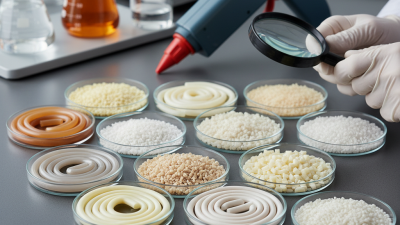
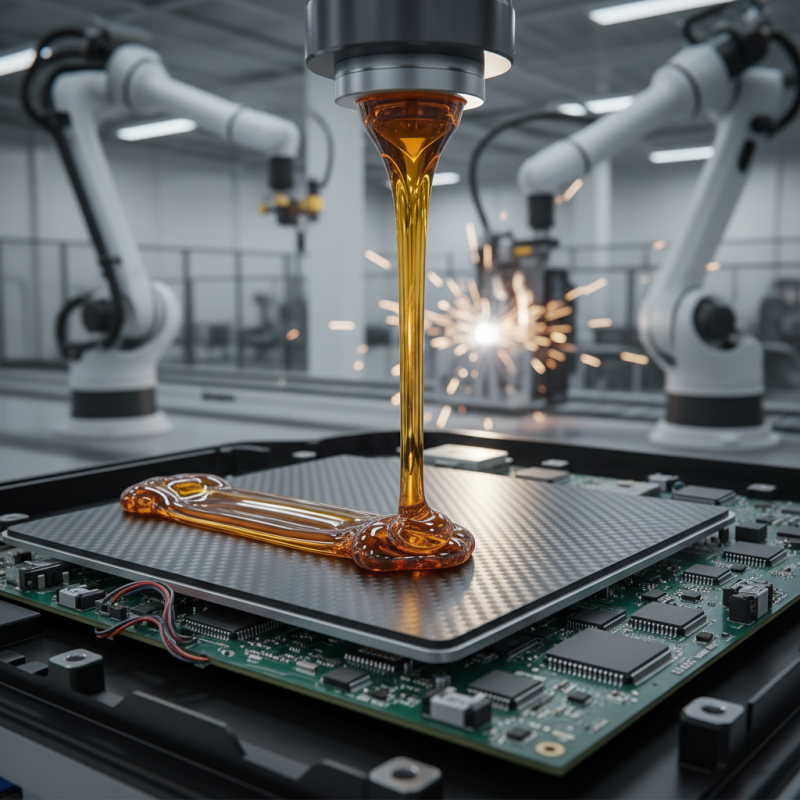
Polyamide hot melt adhesive is a thermoplastic adhesive known for its versatility. Composed primarily of polyamide resins, it offers strong bonding capabilities across various substrates. These adhesives typically exhibit excellent chemical and thermal resistance, making them suitable for demanding applications. Their composition allows for a quick solidification time, aiding in more efficient production processes.
The formulation often includes additives to enhance specific properties. For instance, modifying agents can improve elasticity or heat resistance. However, achieving the desired balance between flexibility and strength can be a challenge. Businesses may need to test different formulations to meet unique requirements. Additionally, the processing conditions, such as temperature and application methods, also impact adhesive performance. It's crucial to be vigilant about these factors to ensure optimal results.
Though polyamide hot melt adhesives provide many advantages, they are not without limitations. High initial costs can be a concern for some businesses. Furthermore, improper handling may lead to quality issues in end products. Companies must invest in staff training to optimize usage. Continuous evaluation and adjustments are vital for achieving the best results with these adhesives.
Enhanced Bonding Strength for Industrial Applications
Polyamide hot melt adhesives have gained traction in industrial settings due to their enhanced bonding strength. Recent studies show these adhesives can withstand severe stress, making them ideal for demanding applications. In fact, adhesive strength tests reveal that polyamide adhesives provide bonding strengths exceeding 30 MPa under tensile tests. This performance is crucial for industries like automotive and electronics, where structure integrity is non-negotiable.
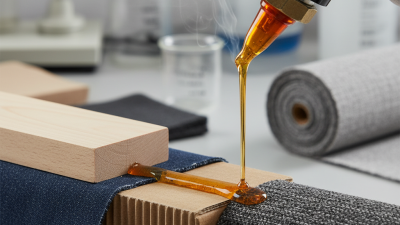
The versatility of polyamide adhesives allows for applications on various substrates, including metals, plastics, and composites. This adaptability can result in reduced assembly times, improving overall production efficiency. For instance, a report from the Adhesive and Sealant Council indicates that using polyamide adhesives can cut assembly times by up to 20%. Utilizing these adhesives not only enhances bonding but also reduces the need for mechanical fasteners, leading to weight savings and optimized designs.
However, users should be cautious. The processing temperature for polyamide adhesives can pose challenges. If not handled correctly, it may lead to degradation. Additionally, moisture exposure can affect the adhesive's performance over time. Businesses must evaluate their specific requirements and test these adhesives under actual use conditions to ensure optimal results.
Top 10 Benefits of Polyamide Hot Melt Adhesive
This chart illustrates the top benefits of using polyamide hot melt adhesive in industrial applications, focusing on enhanced bonding strength and its implications for businesses.
Improved Thermal Stability and Performance Over Time
Polyamide hot melt adhesives provide remarkable thermal stability and performance, making them an excellent option for various industries. These adhesives maintain their structural integrity even under extreme temperatures. This resilience is vital for manufacturing processes requiring durable bonds. When subjected to prolonged heat, polyamide adhesives do not break down easily, ensuring lasting results for your products.
Tips: Ensure to test adhesive performance in conditions similar to end-use environments. This real-world analysis can uncover potential weaknesses in the bonding process.
Moreover, polyamide hot melts exhibit improved shear strength over time. As the bond cures, it becomes more robust, reducing the likelihood of failure. This characteristic is crucial for applications in automotive or aerospace industries, where safety is paramount. By choosing these adhesives, businesses can assure their clients of quality and reliability.
Tips: Regularly review the adhesive’s performance in different conditions. It helps in identifying any unexpected results and refining your approach accordingly.
Versatility in Various Industries and Materials Applications
Polyamide hot melt adhesives offer unmatched versatility across various industries. According to a recent report by the Adhesive and Sealant Council, the demand for these adhesives is projected to grow by 6% annually. They bond well with different materials, including plastics, metals, and textiles. This adaptability makes them suitable for applications in automotive, electronics, and construction sectors.
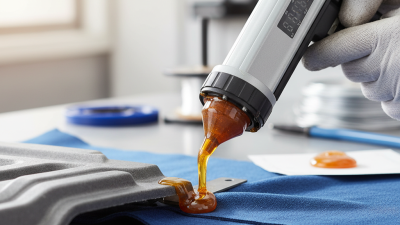
In automotive manufacturing, polyamide adhesives excel in bonding components for durability and performance. They can withstand high temperatures and harsh environmental conditions. In the electronics sector, these adhesives provide strong, reliable bonds for circuit boards and components. A survey by the Electronics Manufacturing Service Association highlights that 75% of manufacturers prefer these adhesives for their versatility and curing speeds.
However, it is essential to consider certain challenges. Not all polyamide adhesives perform equally across every application. Factors like substrate compatibility and processing conditions can impact effectiveness. Industry experts emphasize the importance of testing and feedback to refine adhesive selection, ensuring optimal outcomes for specific projects.
Top 10 Benefits of Polyamide Hot Melt Adhesive for Your Business
| Benefit |
Description |
Industry Applications |
| High Temperature Resistance |
Excellent performance in high-temperature environments, ensuring consistent adhesion. |
Automotive, Electronics |
| Versatile Bonding |
Effective on a wide range of substrates including plastics, metals, and textiles. |
Construction, Packaging |
| Strong Adhesion |
Provides durable bonds that withstand stress and strain. |
Furniture, Aerospace |
| Fast Setting Time |
Quick curing reduces downtime in manufacturing processes. |
Textiles, Electronics |
| Solvent-Free |
Environmentally friendly product with no harmful solvents. |
Packaging, Automotive |
| Moisture Resistance |
Effective in humid environments, preventing bond failure. |
Construction, Marine |
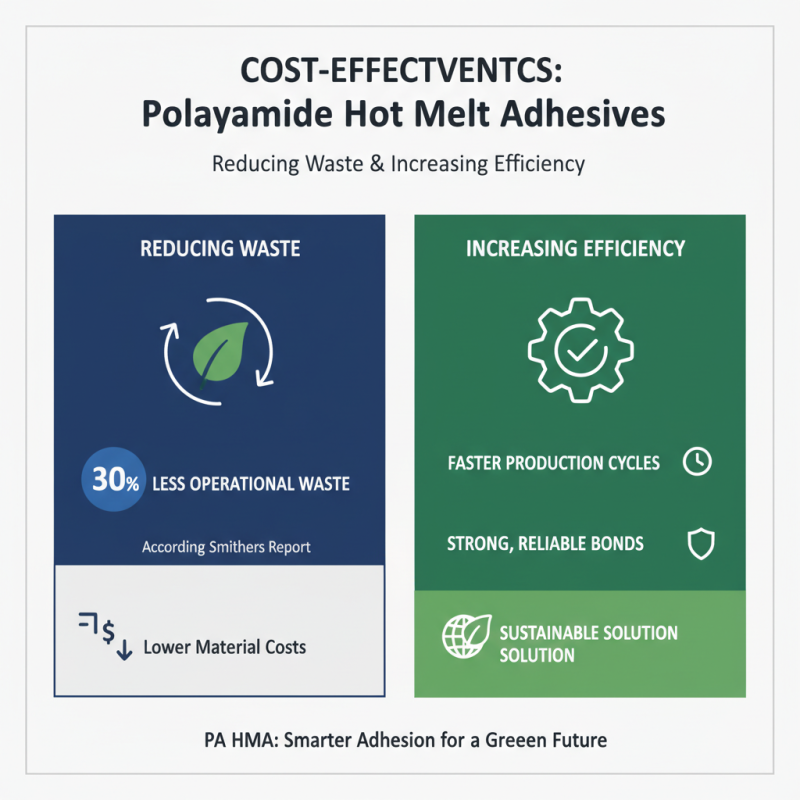
| Cost-Effective |
Reduces production costs through efficiency and material savings. |
Manufacturing, Furniture |
| Flexibility |
Allows for movement between bonded surfaces without cracking. |
Automotive, Consumer Products |
| Chemical Resistance |
Resists damage from various chemicals, ensuring longevity of bonds. |
Agricultural, Industrial |
| Customization |
Can be formulated to meet specific application needs. |
Various Industries |