2026 Best Beer Bottle Labeling Adhesives for Global Buyers?
In the world of craft brewing, packaging plays a crucial role in attracting consumers. The right Beer Bottle Labeling Adhesives can significantly impact a product's appeal and marketability. Selecting high-quality adhesives is essential for ensuring labels remain affixed during handling and storage. This decision can influence not only the aesthetic appeal but also the overall brand perception.
Many manufacturers may overlook the importance of adhesive performance. However, using the wrong adhesive can lead to label peeling or bubbling. Such flaws can tarnish a brand’s reputation and result in consumer dissatisfaction. It’s vital to partner with trusted suppliers who understand the nuances of beer bottle labeling.
Global buyers have diverse needs and preferences when it comes to packaging. They often seek adhesives that cater to various environmental conditions and bottle types. Understanding these factors can lead to better selection and application of Beer Bottle Labeling Adhesives. It requires a careful balance of functionality and visual presentation, reflecting on what truly works for your brand.
Overview of Beer Bottle Labeling Adhesives in 2026
In 2026, the beer bottle labeling adhesives market sees significant advancements. Enhanced formulations are critical for breweries seeking durability and aesthetic appeal. According to a recent market report, over 70% of breweries prioritize adhesives that can withstand refrigeration and moisture without degrading. This data reflects a growing trend toward sustainable packaging solutions.
Furthermore, the adhesive's ability to facilitate recyclability is becoming a focal point. Data indicates that 56% of consumers prefer products with eco-friendly labels. Adhesives that leave no residue upon removal are in demand. Breweries face challenges opting for these options due to the higher costs involved. Balancing performance and sustainability remains a crucial consideration.
Despite advancements, some concerns persist. Not all adhesive suppliers meet stringent quality standards. Buyers must vet suppliers for reliability. This is vital to avoid poor performance in diverse environments. Research highlights that only 40% of labeling failures are attributed to adhesive quality. Most cite improper application. As the market evolves, continuous education on best practices is necessary for producers and suppliers alike.
Types of Adhesives Used for Beer Bottle Labels
Selecting the right adhesive for beer bottle labels is essential. Different types ensure durability and visual appeal. Common adhesives used for these labels include pressure-sensitive adhesives, water-based adhesives, and hot melt adhesives. Each type serves a different purpose, affecting both label performance and bottle aesthetics.
Pressure-sensitive adhesives are popular for their ease of use. These adhesives stick well without heat or water activation. They maintain excellent adhesion even in cold and moist conditions. However, choosing the wrong type may lead to issues like label peeling.
Water-based adhesives are eco-friendly and offer good adhesion on various surfaces. They dry quickly but may not withstand extreme temperatures. Always test adhesion strength for specific conditions.
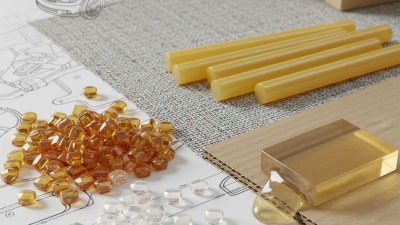
Hot melt adhesives provide strong bonding, particularly on glass. They require heat for application but cure quickly. A potential downside is that they can become brittle over time.
Tips for an effective label application: Always clean the bottle surface before applying labels. This enhances adhesive performance. Moreover, consider environmental factors. Humidity and temperature can greatly affect adhesion. Test different adhesive types to determine which works best for your specific needs. Though there’s no one-size-fits-all approach, experimenting can guide you toward optimal choices.
Key Criteria for Selecting Beer Bottle Labeling Adhesives
When selecting beer bottle labeling adhesives, several key criteria stand out. First, the adhesive's compatibility with various materials, including glass, plastic, and metal, is crucial. According to a report by Smithers Pira, over 65% of beer packaging utilizes glass, underlining the need for adhesives that can withstand moisture and cold temperatures during storage and handling.
Next, consider the application process. Whether the labels are applied manually or through automated systems, the adhesive should provide a strong bond while allowing for efficient application. Research indicates that adhesives with a fast-drying time enhance production speed by at least 20%. User feedback often highlights that adhesives with slow curing times lead to increased operational downtime, affecting overall productivity.
Additionally, sustainability is becoming a priority for many breweries. A growing number of consumers prefer eco-friendly options. Reports suggest that 55% of buyers are willing to pay more for sustainably sourced products. Therefore, selecting adhesives that are biodegradable or made from renewable resources could appeal to an environmentally conscious audience. Identifying these factors not only ensures optimal labeling performance but also aligns with consumer values.
Top Brands and Products for Beer Bottle Labeling in 2026
When it comes to labeling beer bottles, the right adhesive can make all the difference. In 2026, the market is filled with options that cater to various needs. Choosing the perfect product requires understanding both material compatibility and the environmental factors at play.
One great tip is to consider the type of bottle you’re using. Glass bottles versus plastic can greatly influence which adhesive works best. It’s essential to test different adhesives under real conditions. The label's durability against moisture and cold temperatures is crucial for preserving your brand image.
A notable observation is that not all adhesives offer the same release properties. Some may peel off easily, while others can leave a sticky residue. This can create a negative experience for consumers. Make sure to read reviews and seek feedback from peers in the industry. Using trial runs before a full production is always wise.
Market Trends in Beer Bottle Labeling Adhesives Worldwide
The market for beer bottle labeling adhesives is experiencing significant changes globally. The demand for eco-friendly adhesives is rising. According to industry reports, about 40% of buyers consider sustainability a key factor in their purchasing decisions. This shift impacts product offerings, as manufacturers respond to more environmentally conscious consumers.
Adhesive technology is also evolving. Products that provide better adhesion and are waterproof are gaining popularity. Reports indicate that the use of pressure-sensitive adhesives (PSAs) is expected to grow by 5% annually. However, not all adhesives meet these standards, leading buyers to evaluate options carefully.
Tip: Always check the adhesive’s compatibility with your labels and bottles. Different surfaces require tailored solutions for optimal performance.
In addition, the importance of compliance with regulatory standards has grown. Buyers must ensure that adhesives meet safety guidelines. Some adhesive formulations offer great initial tack but may degrade over time. This highlights the need for thorough testing before large-scale application.
Tip: Maintain a proactive approach in sourcing materials. Regular reviews of adhesive performance in real-world scenarios can prevent operational hiccups.
Adapting to these trends is essential. Understanding and responding to market dynamics will help businesses thrive in the competitive beer industry.
2026 Best Beer Bottle Labeling Adhesives for Global Buyers
| Adhesive Type |
Viscosity (cP) |
Drying Time (minutes) |
Temperature Range (°C) |
Application Method |
Market Share (%) |
| Polyvinyl Acetate (PVA) |
800 - 1200 |
10 - 20 |
5 - 35 |
Roller, Spray |
30% |
| Polyurethane |
500 - 900 |
5 - 15 |
-10 - 40 |
Brush, Roller |
25% |
| Hot Melt Adhesives |
1000 - 1500 |
2 - 5 |
10 - 60 |
Extrusion, Dots |
20% |
| Acrylic Adhesives |
300 - 700 |
15 - 25 |
-5 - 45 |
Spray, Roll |
15% |
| Tacky Adhesives |
600 - 1000 |
8 - 12 |
0 - 50 |
Roll, Spray |
10% |