Best Laminating Adhesive for Your Business Needs?
In the world of laminating adhesives, choosing the right product is crucial for businesses. Expert Sarah Thompson, a seasoned professional in adhesive technology, once stated, "The success of laminating applications relies on selecting the appropriate adhesive." This insight underscores the importance of understanding various options available.
Laminating adhesives serve multiple purposes in industries. They enhance durability, provide a professional finish, and protect products. With countless brands and formulations on the market, it can be overwhelming to identify the best fit for your specific needs. Factors such as substrate compatibility, application method, and environmental conditions come into play.
The quest for the ideal laminating adhesive is not without challenges. Businesses often face dilemmas regarding cost versus quality. Furthermore, manufacturers may struggle with consistency in performance across different batches. Recognizing these complexities is vital for making informed decisions in your laminating processes.

Understanding Laminating Adhesives: Types and Forms
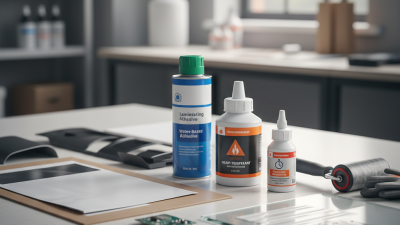
Laminating adhesives come in various types and forms, each designed for specific applications. Common types include pressure-sensitive, thermal, and water-based adhesives.
Pressure-sensitive adhesives bond instantly upon contact, making them ideal for quick projects. According to industry reports, these adhesives account for nearly 45% of the market due to their versatility.
Thermal adhesives, activated by heat, provide excellent durability. They work well with high-gloss films and are optimal for professional-grade laminating.
Water-based adhesives are environmentally friendly options that have gained popularity, garnering approximately 30% of the market share. Understanding the right adhesive can streamline your laminating process.
Tips: Test different adhesives for your specific applications. Some may not perform well under certain conditions. Always check compatibility with your laminating film for best results.
Also, consider the drying time of your chosen adhesive. A faster drying adhesive can speed up operations, but slower drying options may achieve better adhesion. Balance is key here. Remember, effective adhesive choice can significantly impact your finished product’s quality.
Evaluating Key Factors for Choosing the Right Adhesive
When evaluating laminating adhesives for your business, consider application methods. Some adhesives work better with heat, while others are suitable for cold applications. Understanding your laminating process is crucial. It directly affects the quality of the bond and durability of the product.
Another key factor is drying time. Some adhesives cure quickly, while others may take longer. A faster drying time can enhance productivity. However, too quick can lead to mistakes when applying. Assess your workflow and determine which speed aligns with your operational needs.
Viscosity is equally important. A thicker adhesive might provide stronger bonds, but it requires more careful application. On the flip side, thinner adhesives may be easier to work with but could sacrifice strength. Finding the perfect balance is a challenge that often requires testing different adhesives. It's essential to recognize that these variables can significantly impact the final product's quality.
Best Laminating Adhesive for Your Business Needs
This chart evaluates various laminating adhesives based on key factors like adhesion strength, drying time, and temperature resistance. The data helps in choosing the right adhesive for your business requirements.
Top Laminating Adhesive Brands for Business Use
When selecting a laminating adhesive for business use, understanding the landscape of top brands is critical. The laminating adhesive market is projected to reach USD 5.2 billion by 2026, according to an industry report from Smithers Pira. This growth indicates the increasing demand for durable and effective laminating solutions across various sectors. Businesses are increasingly prioritizing adhesives that offer exceptional bonding strength while catering to their specific laminating needs.
Leading players in the laminating adhesive industry focus on innovation and sustainability. Many brands are investing in eco-friendly formulations that do not compromise on performance. For instance, research suggests that adhesives made from renewable materials can reduce the environmental impact by up to 30%. Companies are keen on such options, especially as regulations tighten around sustainability practices.
Despite the numerous options available, challenges remain. Not all adhesives perform equally across different substrates. Businesses may experience issues with compatibility, which can lead to failures in adhesion. Understanding the specific materials involved and the conditions under which the adhesive will be used is essential. An adhesive that works well in one environment may not perform the same in another. This highlights the importance of thorough testing and careful consideration when selecting a laminating adhesive for business purposes.
Application Techniques for Effective Laminating Adhesives
When it comes to effective laminating, application techniques can significantly impact the results. Understanding the type of adhesive you are using is crucial. For instance, some adhesives work better with specific materials, while others are more versatile. A strong bond depends on surface preparation. Ensure surfaces are clean and dry to maximize adhesion.
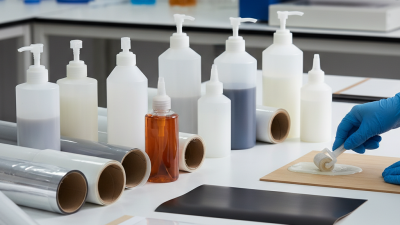
Tip: Always test adhesive on a small area before full application. This helps identify potential issues, like bubbling or uneven adhesion. Another technique involves applying pressure evenly across the laminated surface. Use rollers or squeegees to avoid air pockets, which can weaken the lamination.
Additionally, consider the drying time of the adhesive. Rushing this step can lead to poor results. Some adhesives need time to cure for optimal strength. Monitor environmental factors like temperature and humidity, as they can affect drying times and overall performance.
Tip: If you notice imperfections after lamination, it might be necessary to re-laminate. Take time to assess what went wrong. Adjusting your technique can lead to better outcomes in future projects.
Best Laminating Adhesive for Your Business Needs? - Application Techniques for Effective Laminating Adhesives
| Adhesive Type |
Viscosity (cP) |
Recommended Substrates |
Cure Time (Minutes) |
Application Method |
| Water-Based Polyurethane |
300-800 |
Paper, Wood |
30 |
Brush, Roller |
| Hot Melt Adhesive |
3500-6000 |
Plastic, Metal |
5 |
Glue Gun, Coater |
| Solvent-Based Adhesive |
100-300 |
Leather, Textile |
10 |
Spray, Brush |
| Acrylic Adhesive |
500-1000 |
Glass, Metal |
25 |
Roller, Coater |
Common Issues and Solutions in Laminating Processes
Laminating processes can be tricky. Many businesses face common issues that can disrupt their workflow. One frequent problem is bubbling. Bubbles appear beneath the laminate, creating an unsightly finish. They often result from trapped air or inappropriate adhesive. Proper application is crucial to avoid this.
Another issue is insufficient adhesion. This leads to lifting edges over time. The root cause may be surface contamination or incorrect adhesive choice. Ensuring surfaces are clean and using the right adhesive can help mitigate this.
Tips: Always test a small area before full application. Use a roller to apply even pressure. Regular maintenance checks on laminating equipment are essential. This can help identify potential problems before they escalate. Also, don’t rush the lamination process. Take time to ensure each step is completed correctly.