How to Choose the Best Polyamide Hot Melt Adhesive for Your Needs?
Choosing the right Polyamide Hot Melt Adhesive is crucial for various applications in industries like automotive, packaging, and textiles. According to a study by Smithers Pira, the global demand for hot melt adhesives is projected to reach over $9 billion by 2025. This growth can be attributed to the increasing need for efficient bonding solutions that withstand temperature fluctuations and mechanical stress.
Polyamide hot melt adhesives are recognized for their versatility and performance. They offer excellent adhesion to challenging substrates like metals and plastics. However, selecting the best option requires a deep understanding of both the material properties and the intended application. Not every adhesive fits every purpose; wrong choices can lead to product failure or increased production costs.
Furthermore, it's essential to consider environmental factors. Some polyamide adhesives may not perform well under high humidity or extreme temperatures, which can limit their effectiveness. It's vital to weigh these aspects thoroughly to avoid costly mistakes.

Understanding Polyamide Hot Melt Adhesives and Their Applications
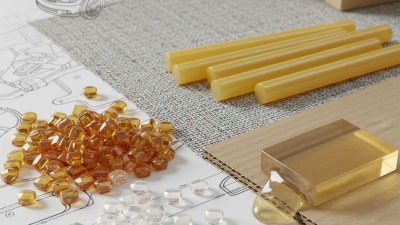
Polyamide hot melt adhesives are essential in various industries. They offer robust bonding solutions for diverse materials, including plastics, metals, and textiles. Understanding their properties can significantly impact your choice. These adhesives can withstand high temperatures and provide excellent resistance to chemicals and moisture. This makes them suitable for applications in automotive, electronics, and packaging.
Choosing the right polyamide adhesive requires careful consideration. Start by evaluating your specific application needs. Consider the materials you will bond and the environmental conditions. Assess factors like bond strength and flexibility. It's crucial to test the adhesive under real conditions before full-scale application.
Tips: Always check the technical data sheets. They provide valuable information on performance characteristics. If possible, consult with an expert in adhesive technology. Their insights can guide you in selecting the best product for your needs. Remember, not all polyamide adhesives are the same. Some may not perform well under certain conditions. Be prepared to experiment with different formulations to find the right match.
Key Properties to Look for in Polyamide Hot Melt Adhesives
When selecting a polyamide hot melt adhesive, certain key properties distinguish the effective from the mediocre. First, consider the thermal resistance. High-temperature stability ensures the adhesive will maintain performance under heat exposure. Look for products with a melting point above your intended application temperature. This prevents premature failure in heat-prone settings.
Next, adhesion strength is crucial for overall durability. The adhesive should bond effectively with your materials. Test the adhesive on sample surfaces to assess its compatibility. A strong bond is necessary to prevent failures that could lead to expensive repairs or product recalls. Additionally, flexibility matters. An adhesive that accommodates material expansion and contraction reduces the risk of cracks.
Lastly, you might encounter variations in viscosity. The viscosity affects application method and workability. Higher viscosity adhesives may be more challenging to apply but could offer better gap-filling ability. Still, some applications require lower viscosity for precision in detailed work. Testing several options helps identify the right balance for your specific needs, ensuring an efficient and reliable adhesive solution.
Factors Influencing the Selection of Polyamide Hot Melt Adhesives
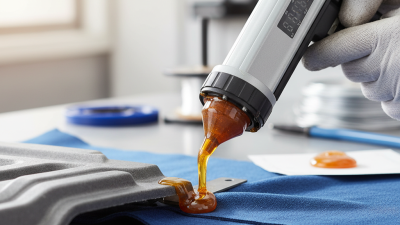
When selecting a polyamide hot melt adhesive, several factors play a pivotal role. The application method is crucial. Understanding whether the adhesive will be applied via extrusion or spraying can affect the formulation chosen. Different setups require different flow characteristics to ensure efficiency.
Temperature resistance is another essential factor. Polyamide adhesives can perform well at elevated temperatures, making them suitable for industrial applications. However, some formulations may not withstand extreme heat. Evaluating the specific temperature ranges in your application can help narrow down choices.
Lastly, consider the substrate materials involved. Polyamide adhesives bond well with various surfaces, yet compatibility varies. Testing a small sample can reveal unexpected results. Often, users overlook this, leading to unsatisfactory performance. Take the time to reassess your options based on your specific needs. This can prevent costly mistakes down the line.
How to Choose the Best Polyamide Hot Melt Adhesive for Your Needs? - Factors Influencing the Selection of Polyamide Hot Melt Adhesives
| Factor |
Description |
Impact on Selection |
| Base Material Compatibility |
The adhesive's ability to bond with various substrates such as plastics, metals, or wood. |
High impact; ensures proper adhesion and longevity of the bond. |
| Viscosity |
Refers to the thickness of the adhesive; affects application method and penetration. |
Moderate impact; influences the ease of application and bonding capabilities. |
| Temperature Resistance |
Ability of the adhesive to withstand high temperatures without losing strength. |
High impact; critical for applications in high-heat environments. |
| Curing Time |
Time required for the adhesive to set and achieve optimal bond strength. |
Low impact; although faster curing is preferred, it may not always be necessary. |
| Moisture Resistance |
Ability to maintain bond integrity in humid or wet conditions. |
High impact; essential for outdoor applications or products exposed to moisture. |
| Color |
The adhesive's color may affect the final appearance of the bonded product. |
Low impact; primarily a cosmetic consideration unless bonding transparent materials. |
Comparing Different Brands of Polyamide Hot Melt Adhesives
When selecting a polyamide hot melt adhesive, comparing different brands is crucial. These adhesives are not all created equal, and subtle differences can impact performance. Some brands may offer stronger adhesion at high temperatures, while others may excel in flexibility. Testing each brand’s adhesive under your specific conditions is essential.
Performance can vary across applications. Certain brands might be ideal for textiles, while others perform better with plastics. You may find that some adhesives degrade faster than expected. It's wise to read reviews or case studies, providing insights into real-world performance. Observing how different brands handle stress and environmental factors helps in making an informed choice.
Adhesive application methods also differ. Some brands provide detailed application guidelines, while others are less transparent. This could lead to inconsistencies if not addressed. Talk to industry experts or more experienced users for their insights. They often share valuable tips that are not readily available in product descriptions. Remember, the best choice often comes from a combination of testing and feedback.
Tips for Testing and Evaluating Polyamide Hot Melt Adhesives
When testing polyamide hot melt adhesives, it’s essential to assess their bonding strength. Apply the adhesive to sample materials that mirror your actual use cases. Observe the initial tack and open time. These factors directly influence production efficiency.
Another key aspect is thermal resistance. Expose bonded samples to heat and cold cycles. Check for any degradation or loss of adhesion. This step helps ensure long-term reliability in various environments.
Don’t overlook the flexibility of the adhesive. Bend and flex the bonded materials. Hidden weaknesses may arise, potentially affecting your final product. Document any failures for future reference. Continuous testing aids in refining your selection process and achieving the best results.