How to Choose the Best SBS Adhesive for Your Projects?
When embarking on a new project, choosing the right SBS Adhesive can significantly impact its success. Identifying the ideal adhesive requires a deep understanding of materials and intended applications. As industry expert Dr. Emily Chen states, "Selecting the right SBS Adhesive is crucial for durability and performance." Her insight emphasizes the importance of informed choices.
In the world of adhesives, SBS Adhesive stands out for its versatility. It bonds well with diverse surfaces, making it a favorite among professionals. However, not every project demands the same type. Factors like environmental conditions and material compatibility come into play. A common mistake is assuming that one adhesive fits all; this can lead to unexpected failures.
Choosing an SBS Adhesive necessitates careful consideration. Users must reflect on project specifics and application methods. Are you working in extreme temperatures? Will the bond be subjected to moisture? Such questions are vital. By analyzing these factors, you can avoid common pitfalls. A thoughtful approach ensures that the chosen SBS Adhesive meets your project's unique needs.
Factors to Consider When Selecting SBS Adhesive for Structural Projects
Choosing the right SBS adhesive for structural projects can be complex. Various factors significantly influence the selection process. One key aspect to consider is the adhesion strength required for your specific application. Different projects may demand varying bond strengths. Understanding the materials you are working with also plays a crucial role. Some adhesives perform better with certain substrates, like metals or plastics, while others may not provide the necessary bond.
Another factor is the environmental conditions of the application site. Will the adhesive face extreme temperatures or moisture exposure? Some SBS adhesives are formulated to withstand harsh environments, while others are not. It is essential to review product specifications carefully to ensure compatibility. Users often overlook working times. You may need ample time to position materials, so a fast-setting adhesive may cause issues.
Cost considerations should not be dismissed. While cheaper options may seem appealing, the long-term performance often justifies higher-quality adhesives. Poor choices may lead to failures, costing more in repairs. Ultimately, conducting thorough research and gathering expert recommendations can lead to better outcomes for your projects. It’s vital to remain aware of potential pitfalls as you make your selection.
Understanding the Different Types of SBS Adhesives Available in the Market
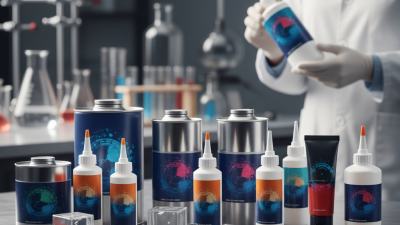
When selecting an SBS adhesive, it’s crucial to understand the various types available. There are three main categories: solvent-based, water-based, and hot melt adhesives. Each type serves different applications.
Solvent-based adhesives provide strong bonds and are ideal for heavy-duty projects. They work well on porous and non-porous surfaces, but their strong fumes require extra ventilation.
Water-based adhesives are user-friendly and less toxic. They are perfect for projects requiring easy cleanup. However, they may not perform well in extreme conditions.
Hot melt adhesives offer quick bonding and are versatile. They are frequently used in crafts and lightweight applications. While they provide immediate adhesion, their bonds can weaken in high heat.
Choosing the right adhesive requires careful consideration. Reflect on your project's specific demands. Think about surface materials, environmental conditions, and desired durability. Each option has its pros and cons. It is essential to weigh these factors before making a decision. Experimenting with samples can also provide insights. Understanding the unique characteristics of each adhesive type will guide you toward the best choice for your project.
Evaluating Performance Metrics: Strength, Flexibility, and Temperature Resistance
When selecting an SBS adhesive, it's crucial to evaluate its performance metrics. Three key factors to consider are strength, flexibility, and temperature resistance.
Strength is vital for ensuring that the bond holds under pressure. A strong adhesive can endure significant loads, making it suitable for heavy-duty applications. However, an overly rigid adhesive may not be ideal for all materials, as it may crack under stress.
Flexibility plays a significant role, especially for projects involving materials that expand and contract. This elasticity allows the adhesive to accommodate movement without losing its grip. Choosing a flexible adhesive often requires testing on actual materials. Sometimes, what seems ideal in theory does not perform well in practice.
It’s helpful to conduct small trials to gauge how the adhesive reacts to real-world conditions.
Temperature resistance is another essential metric. Many projects expose adhesives to heat or cold. An adhesive suited for extreme temperature fluctuations will prevent it from breaking down over time. Yet, expectations can sometimes exceed reality. Variations in materials and environmental conditions can influence performance. Seeking thorough documentation and empirical results can provide valuable insights into long-term reliability.
Application Techniques: Best Practices for Optimal Adhesive Bonding
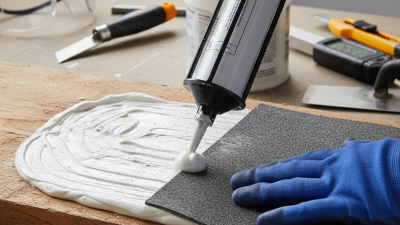
Choosing the right SBS adhesive is essential for strong bonding in various projects. Application techniques greatly influence the effectiveness of the adhesive. Proper surface preparation is the first step. Ensure surfaces are clean, dry, and free of contaminants. Studies show that a clean surface improves bond strength by up to 30%.
When applying the adhesive, consider temperature and humidity. Ideal conditions are often between 60°F and 80°F. Extreme temperatures can affect curing time and bond strength. For best results, apply an even layer of adhesive. This technique minimizes air pockets and promotes better adhesion.
**Tips:** Always follow the manufacturer’s instructions for mixing and application. Use appropriate tools for even application. Testing adhesive on a small area can help assess compatibility. Keep in mind that some projects might need a second layer for optimal bonding. Inspect your work afterward; imperfections can weaken the bond. Reflect on your application process to learn and improve for future projects.
Common Mistakes to Avoid When Choosing SBS Adhesives for Your Projects
When choosing SBS adhesives for your projects, avoiding common mistakes can save time and money. A frequent error is overlooking the specific requirements of the application. Each project has unique characteristics. For example, temperature fluctuations can impact adhesive performance. According to industry reports, failure due to the wrong adhesive selection accounts for 30% of project delays.
Another mistake is ignoring compatibility with materials. Some SBS adhesives work beautifully with plastics but can fail on metals. Research shows that over 40% of users do not verify substrate compatibility, leading to bonding weaknesses. It's essential to match the adhesive to the intended surfaces, which can drastically improve bond strength.
Flexibility in choosing the right adhesive is crucial. Many professionals rely on generic recommendations, but this can lead to mismatches. A study showed that 25% of projects faced rework due to improper adhesive usage. Understanding the evolving standards in adhesive technology is vital. Always look for updated materials data and expert guidelines before making a final decision. Aim for thorough research to avoid these pitfalls.