10 Essential Tips for Choosing Beer Bottle Labeling Adhesives?
Choosing the right Beer Bottle Labeling Adhesives is crucial for brewers aiming to present their products effectively. According to a recent report by the Beverage Marketing Corporation, nearly 70% of consumer decisions are influenced by packaging. This statistic underscores the importance of labels that not only stand out but also adhere well under various conditions.
Expert in the field, James P. Miller, states, “The adhesive is the unsung hero of labeling. Without proper adhesion, the label can fail to represent the brand.” His insight highlights the challenges brewers face when selecting adhesives that perform reliably.
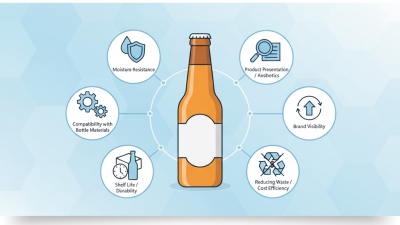
Not all adhesives offer the same performance. Factors such as moisture exposure, temperature, and surface material significantly affect adhesion. Evaluating these variables is essential. Many brewers might overlook the long-term implications of poor adhesive choices, leading to labels that peel or fade. Balancing aesthetics and durability is key in ensuring that your product is showcased in the best light possible.
Understanding the Importance of Beer Bottle Labeling Adhesives
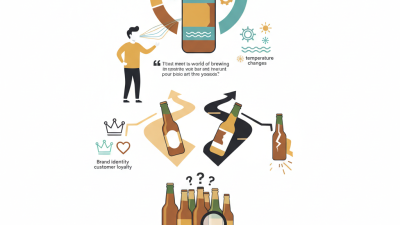
Choosing the right adhesive for beer bottle labeling is crucial for branding and marketing. The adhesive affects how labels adhere under various conditions. Moisture, temperature, and handling can impact label performance. A strong adhesive should remain intact during the entire product lifecycle, from production to consumption.
It's important to consider the label materials as well. Some adhesives work better with paper labels, while others are suitable for plastic. Testing different combinations is key to finding the perfect match. Sometimes, trial and error reveals unexpected results. You may find that a seemingly perfect adhesive fails under specific conditions.
Proper application technique also matters. Even the best adhesive can let you down if not applied correctly. Pay attention to the environment during application. Dust, humidity, and temperature can affect bonding. Continuous learning about label adhesives improves the overall bottling process. Making educated decisions fosters reliability, ensuring that your branding stays intact.
Types of Adhesives Used for Beer Bottle Labeling
When selecting adhesives for beer bottle labeling, understanding the types available is crucial. Most commonly used adhesives include pressure-sensitive adhesives (PSAs) and water-based adhesives.
PSAs offer excellent performance and ease of application. They can bond instantly, which enhances production speed. According to industry reports, around 40% of bottlers prefer PSAs due to their quick application capabilities.
Water-based adhesives are also a popular choice. They are typically eco-friendly and safe for consumer health. These adhesives require some curing time but are valued for their strong bond and easy cleanup during production.
Studies show that over 30% of breweries opt for these adhesives to meet sustainability goals.
Tip 1: Always consider the environmental impact of your adhesive choice. Explore eco-friendly options to align with consumer preferences.
Tip 2: Test your chosen adhesive with your specific bottle design and printing method. This will prevent costly errors later in the production process.
In conclusion, selecting the right adhesive enhances both the quality of the label and brand integrity. Consider not only performance but also the broader implications of your choice.
Uncertainty might arise from different production methods, but careful testing can resolve these issues effectively.
Factors to Consider When Choosing Adhesives for Labels
Choosing the right adhesive for beer bottle labeling is crucial. Various factors play a role in this decision. Consider the label material and adhesive type. Paper labels may require different adhesives than plastic ones. The surface of the bottle matters too. Smooth surfaces may need a stronger bond.
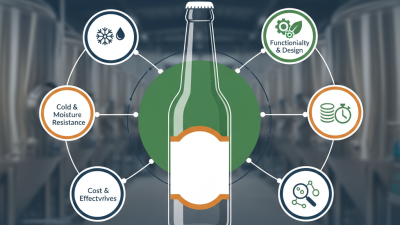
Temperature can affect adhesive performance. Some adhesives lose effectiveness in cold or hot environments. Evaluate how the bottles will be stored and transported. If the bottles will be chilled, use adhesives designed for cold temperatures. This choice impacts the label's longevity.
Lastly, consider the application process. Some adhesives work better in automated systems, while others are suited for hand application. Experimenting with different adhesives might lead to unexpected challenges. Regular testing helps find the right balance. Ensuring labels stay intact is a must, but finding the best adhesive often involves trial and error. Remember, the goal is to achieve both durability and visual appeal.
Environmental Impact of Label Adhesives in Brewing
The environmental impact of label adhesives in brewing is increasingly significant. A study from the Beverage Industry Association revealed that over 30% of breweries now consider sustainability in their supply chain decisions. Adhesives can contribute to pollution, especially in the brewing process. Many traditional adhesives contain harmful solvents that can leach into water systems during production or disposal.
Breweries are encouraged to explore eco-friendly alternatives. Water-based adhesives are gaining popularity, as they are less toxic and biodegradable. A survey conducted by the Craft Brewers Guild indicated that 45% of brewers are opting for these greener options. However, challenges remain. Some eco-friendly adhesives may not adhere as effectively, leading to potential label failures during distribution.
The shift towards sustainable practices does not always come easy. Not all suppliers offer environmentally safe adhesives, and some options can be more expensive. Brewers often grapple with balancing cost and environmental impact. The industry must continue to push for innovation and improvement in adhesive technology to minimize its ecological footprint.
10 Essential Tips for Choosing Beer Bottle Labeling Adhesives
| Adhesive Type |
Environmental Impact |
Application Method |
Temperature Resistance |
Cost Efficiency |
| Water-Based Adhesives |
Low VOC, biodegradable |
Roller or spray |
Moderate |
Cost-effective |
| Solvent-Based Adhesives |
Higher VOC emissions |
Spray application |
High |
Moderate |
| Hot Melt Adhesives |
Low environmental impact |
Applicator gun |
Very high |
Higher cost |
| Pressure-Sensitive Adhesives |
Generally low impact |
Pre-applied to the label |
Moderate to high |
Moderate |
| Natural Adhesives |
Biodegradable |
Varied |
Low to moderate |
Typically high |
Best Practices for Applying Labels with Adhesives
Choosing the right adhesive for beer bottle labeling is vital for both aesthetics and functionality. Start by selecting a pressure-sensitive adhesive, which allows easy application. This type of adhesive works well on various glass surfaces. Be cautious during temperature changes, as some adhesives may not perform optimally in extreme heat or cold. Testing different options on sample bottles can lead to better decisions.
When applying labels, ensure that the surface is clean and dry. Any dust or moisture can impede adhesion. Use a labeling machine for consistent placement, but also consider doing it manually for smaller batches. Be aware of the label's alignment and avoid wrinkles. Allow sufficient curing time after application. Labels that are not fully adhered may peel off, frustrating consumers. Monitoring your labels in different environments can provide insight into their durability and effectiveness.