Top 5 Beer Bottle Labeling Adhesives You Need to Know?
In the rapidly evolving world of beer production, the significance of Beer Bottle Labeling Adhesives cannot be overstated. Industry expert Sarah Thompson, who has spent over a decade studying packaging solutions, emphasizes, "The right adhesive is crucial for enhancing brand visibility and ensuring label durability." This statement highlights the essential role that adhesives play in not only presenting a brand but also in preserving it.
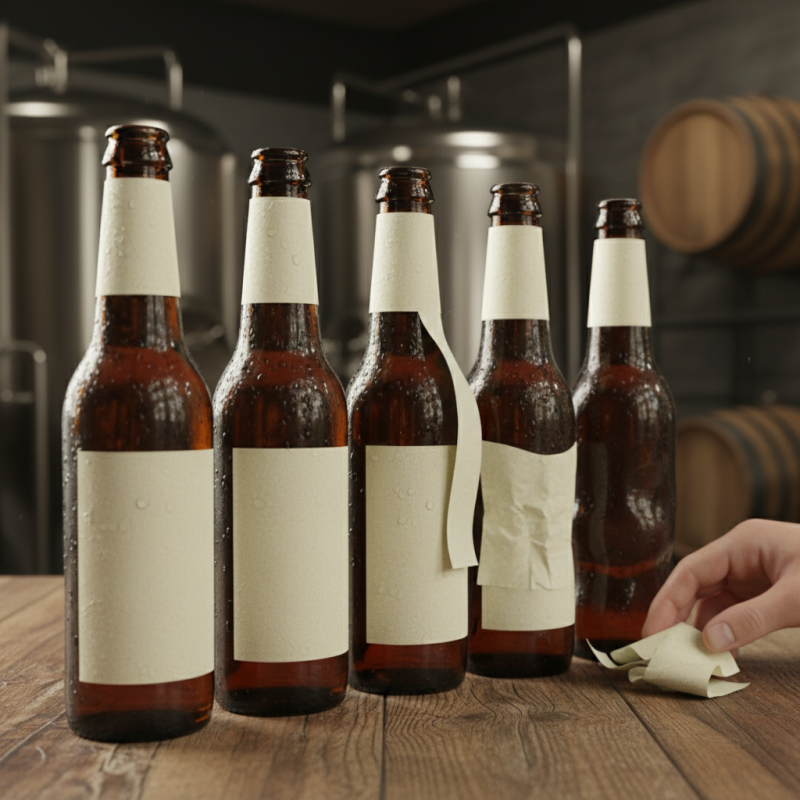
Beer Bottle Labeling Adhesives come in various types, each with specific properties. They must withstand cold temperatures and moisture during storage and handling. Choosing the wrong adhesive can lead to labels peeling off. This issue often frustrates brewers and can diminish a product's appeal.
Drinking a craft beer is about the experience. A well-designed label adds to that experience. However, when labels fail due to inadequate adhesives, it impacts customers' perceptions. Craft brewers should pay close attention to the adhesive they use. Exploring the top five options available is a critical step toward enhancing product quality and branding.
Understanding the Importance of Labeling Adhesives in Beer Bottling
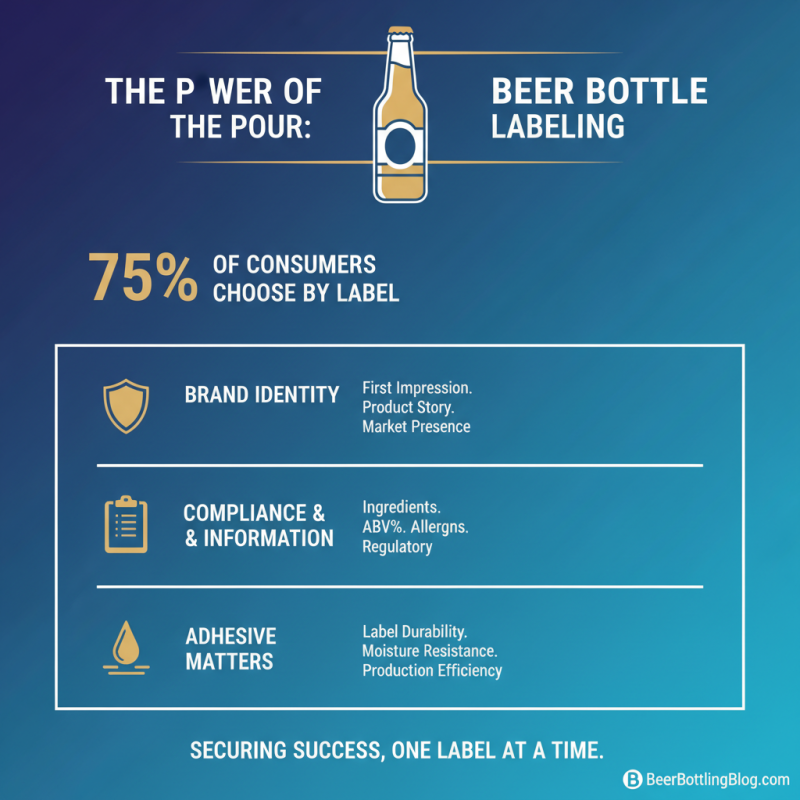
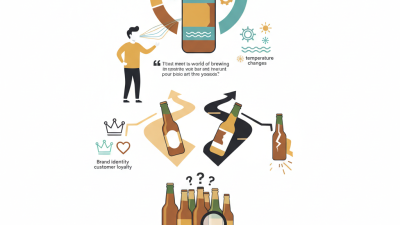
The labeling process in beer bottling is crucial for brand identity and regulatory compliance. A well-designed label informs customers about ingredients, alcohol content, and potential allergens. According to industry reports, nearly 75% of consumers make purchase decisions based on a product's label. Thus, choosing the right adhesive can significantly impact a beer's market presence.
Different types of labeling adhesives serve unique purposes. Water-based adhesives are popular for eco-friendly brands, while pressure-sensitive adhesives are favored for their ease of application. However, not all adhesives hold up well under cold conditions or moisture. In fact, a study conducted by a packaging industry organization revealed that nearly 30% of labels fail due to poor adhesion, affecting product visibility and brand perception.
Tips: Always test adhesive compatibility with your label material and environmental conditions. Be cautious about applying too much adhesive, as it can cause unsightly bleed-through. Consider seasonal variations; a label that works in summer may struggle in winter. Evaluate your options to find a balance between performance and environmental impact.
Key Characteristics of Effective Beer Bottle Labeling Adhesives
Choosing the right adhesive for beer bottle labeling is crucial. An effective adhesive should ensure the label stays intact during various conditions. Look for water resistance as a key characteristic. Labels often encounter moisture, whether from condensation or spills. A label that fails in wet conditions can create a poor impression of the brand.
Another important aspect is the adhesive's ease of application. Quick setup time can enhance production efficiency. If an adhesive takes too long to cure, it may hinder the labeling process. Ensure that the chosen adhesive allows for a smooth and efficient workflow without creating delays.
Consider whether the adhesive is suitable for a variety of surfaces. Some bottles may have textured or glossy finishes. An adhesive that only works well on standard surfaces may limit versatility. Testing various adhesives can reveal strengths and weaknesses. This practice provides insight into finding the best fit for your unique labeling needs.
Top 5 Adhesive Types Commonly Used in Beer Bottle Labeling
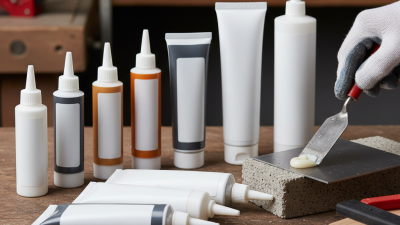
In the world of beer packaging, choosing the right adhesive for labeling is crucial. Several adhesive types cater to various bottle materials and environmental conditions. Among them, water-based adhesives rank high due to their eco-friendliness and ease of application. According to a 2022 industry report, 45% of craft breweries prefer water-based options. This is largely due to their quick drying times and strong bond capabilities.
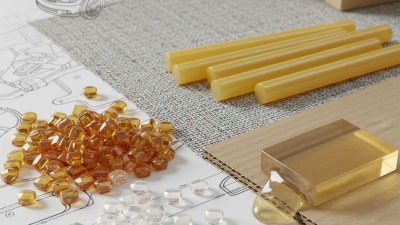
Hot melt adhesives are another popular choice. These adhesives provide excellent adhesion on glass surfaces and can withstand cold temperatures. However, they may present challenges in extreme heat. It's reported that 30% of breweries using hot melt adhesives face occasional label peeling in warmer climates. Conversely, solvent-based adhesives offer strong, durable bonds. 20% of brewers favor them for their reliability, even though they require special precautions during application.
Pressure-sensitive adhesives are versatile and easy to use, making them a staple in the industry. They stick well without additional heating or activation. However, the downside is potential adhesive residue, which can affect the bottle's appeal. Despite their popularity, about 15% of brewers express concerns regarding residue cleanup. These challenges highlight the importance of choosing the right adhesive while also considering the performance and visual aspects of the label.
Top 5 Beer Bottle Labeling Adhesives
Factors to Consider When Choosing Beer Bottle Labeling Adhesives
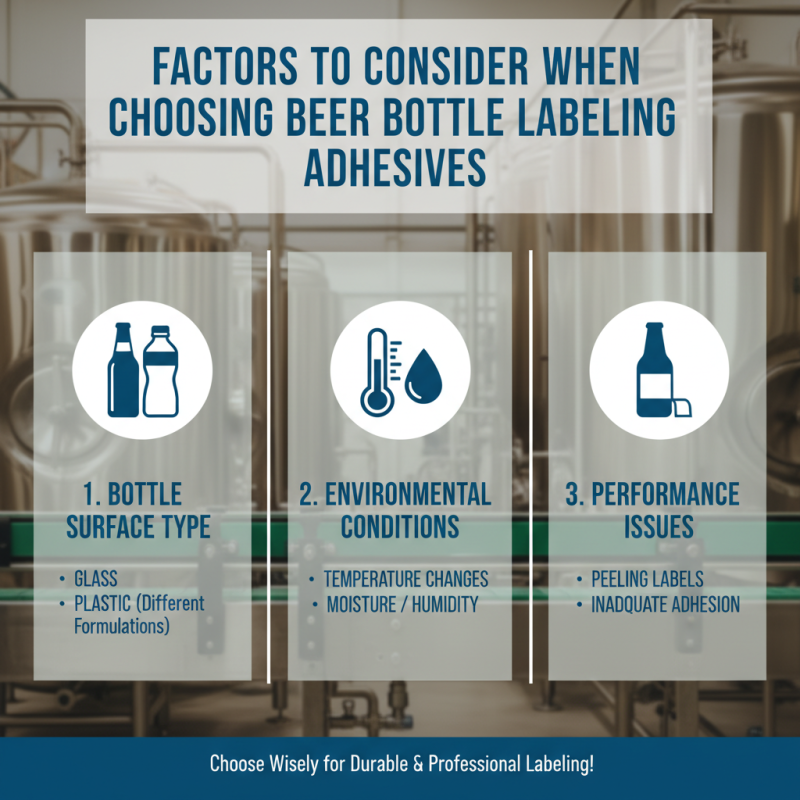
When selecting beer bottle labeling adhesives, several critical factors play a role. The type of surface on your bottles is essential. Glass and plastic require different formulations. Using the wrong adhesive can lead to labels peeling or not adhering properly. Consider the conditions your bottles will face, such as temperature changes and moisture.
Another important aspect is the adhesive's drying time. Quick-drying adhesives can speed up production. However, if they set too fast, they may not allow for adjustments. Banding and lapping can cause problems if the label isn’t perfectly aligned. Versatility matters as well; some adhesives work best on specific materials. Choosing an adhesive that is adaptable can simplify your labeling process.
Cost can’t be overlooked, either. While a cheaper option may seem appealing, it can lead to higher production costs. Adhesives that fail under stress can cause waste and loss. Evaluate the long-term value over immediate savings. Finally, ensure that the adhesive meets safety standards for food and beverage applications. This is crucial for consumer safety and brand integrity.
Best Practices for Application and Storage of Labeling Adhesives
When labeling beer bottles, the right adhesive plays a crucial role in presentation and functionality. Experts recommend selecting adhesives based on transparency and resistance to moisture. Research indicates that up to 80% of consumers perceive the product’s quality through labeling. Thus, a poorly applied label can undermine the entire brand image.
Application practices are vital. Ensure the label surface is clean and dry. Environmental conditions matter too; a temperature range of 60-75°F is ideal for adhesion. Applying adhesives in humid or cold settings can lead to lifting or curling labels. Use a steady hand to apply pressure evenly, which aids in preventing air bubbles.
Tips: Store labeling adhesives in a cool, dry place. This keeps their consistency intact. Regularly check for expiry dates, as outdated adhesives may lose effectiveness. Be ready to adjust application methods based on different bottle shapes and materials. Experiment with small batches to fine-tune your approach, enhancing both durability and appearance.
Top 5 Beer Bottle Labeling Adhesives You Need to Know
| Adhesive Type |
Material Compatibility |
Temperature Resistance |
Application Method |
Storage Conditions |
| Water-Based Adhesive |
Paper, Glass |
Up to 50°C |
Roller or Sprayer |
Cool, Dry Place |
| Hot Melt Adhesive |
Plastic, Glass |
Up to 80°C |
Gun Application |
Room Temperature |
| Solvent-Based Adhesive |
Wood, Metal |
Up to 60°C |
Brush or Spray |
Cool, Ventilated Area |
| Pressure Sensitive Adhesive |
Film, Paper |
Up to 70°C |
Direct Application |
Dry and Dark Area |
| Biodegradable Adhesive |
Paper, Recycled Materials |
Up to 50°C |
Roller or Machine |
Controlled Environment |