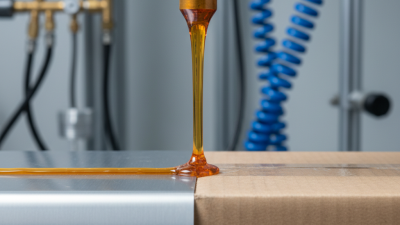
Top 10 Polyamide Hot Melt Adhesives for Global Buyers?
Polyamide Hot Melt Adhesives are essential in various industries, renowned for their excellent bonding capabilities. According to recent market research, the global demand for adhesives is projected to grow at a CAGR of 4.5% over the next five years. This growth is largely driven by advancements in manufacturing processes and increasing applications in automotive and construction sectors.
Despite their advantages, not all Polyamide Hot Melt Adhesives are created equal. Variability in formulation can impact performance significantly. Key factors such as temperature resistance, adhesion properties, and processing conditions must align with specific project requirements. Failing to choose the right adhesive can lead to costly failures and rework, highlighting the importance of informed decision-making.
With various options available, selecting the best Polyamide Hot Melt Adhesive may seem daunting. Industry reports indicate that buyers often struggle to evaluate the right product for their needs. A well-informed choice not only enhances product efficiency but also improves overall operational reliability. Understanding the nuances of Polyamide Hot Melt Adhesives fosters better procurement strategies.
Overview of Polyamide Hot Melt Adhesives and Their Applications
Polyamide hot melt adhesives (HMAs) have gained recognition for their versatility and reliability across various industries. These adhesives are particularly valued for their strong bonding capabilities and resistance to heat and chemicals. They are commonly used in packaging, automotive, and textile applications. The demand for polyamide HMAs continues to grow due to their ability to provide durable connections even in challenging environments.
When selecting a polyamide HMA, consider the specific application requirements. Factors like temperature stability and curing time are crucial. For instance, in automotive applications, an adhesive must withstand high temperatures while maintaining its adhesive properties. Users should also note that some polyamide HMAs may have limited flexibility, so assessing the end-use condition is essential.
Tips: Always test the adhesive on various substrates before full application. Performing preliminary trials can save time and resources. Additionally, ensure proper storage conditions for HMAs. Exposure to moisture can impact their performance. Ultimately, understanding the unique properties and applications of polyamide HMAs can significantly enhance their effective use in various manufacturing processes.
Key Features and Benefits of Polyamide Hot Melt Adhesives
Polyamide hot melt adhesives are gaining popularity for their versatility and strong bonding capabilities. These adhesives offer excellent adhesion to various substrates, making them ideal for diverse applications. They can bond metals, plastics, and textiles effectively. Additionally, their high thermal resistance ensures that bonds remain intact under elevated temperatures. This resistance makes them especially suitable for automotive and electronic industries.
One of the standout features of polyamide adhesives is their quick curing time. This allows manufacturers to enhance productivity without sacrificing quality. Another significant benefit is their flexibility. This characteristic enables them to maintain strong bonds even under mechanical stress or during temperature fluctuations. However, choosing the right formulation can be challenging, as not all polyamide adhesives perform equally. Buyers should look for specific details like viscosity, open time, and application methods to ensure they meet their project needs.
While polyamide hot melt adhesives have many advantages, there are challenges to consider. Some formulations may be sensitive to moisture or require specific storage conditions. Users should conduct thorough tests before large-scale applications. This practice helps avoid potential failures due to unforeseen issues. Proper training and knowledge about different types of adhesives are also crucial for optimal use. Making informed decisions will ultimately lead to better results in projects.
Top Brands and Manufacturers of Polyamide Hot Melt Adhesives
Polyamide hot melt adhesives have gained significant traction in various industries globally. Key manufacturers specialize in producing these adhesives due to their impressive bonding strength and thermal stability. Recent market reports indicate that the polyamide hot melt adhesive sector is projected to grow, with a compound annual growth rate (CAGR) exceeding 6% over the next five years. This trend highlights the increasing demand for reliable bonding solutions.
When selecting a polyamide adhesive, it’s crucial to consider the intended application. Different formulations cater to diverse needs, such as flexibility, heat resistance, or speed of curing. Pay attention to the material compatibility for best results. Some products might not adhere well to specific substrates, leading to potential inefficiencies. Ideally, testing a sample in real conditions before scaling up production can save time and resources.
A quick tip: Evaluate the supplier's reputation and their commitment to quality standards. Certifications and industry recognition can affirm reliability. Also, consider potential challenges, like temperature fluctuations during application, which can affect performance. Keep these factors in mind when sourcing polyamide hot melt adhesives for your business needs.
Factors to Consider When Choosing Polyamide Hot Melt Adhesives
When selecting polyamide hot melt adhesives, several factors come into play. The specific application is crucial. Different industries demand different properties. For instance, adhesion strength might be paramount in automotive components, while flexibility could be more critical in textiles. Understanding the end use can guide buyers in making the right choice.
Temperature resistance is another key consideration. Some applications may expose adhesives to extreme heat or cold. Knowing the operating temperatures helps in avoiding premature failure of the bond. Moreover, the formulation plays a significant role. Different formulations can offer varied working times and curing speeds. Buyers must evaluate these factors based on their production processes.
Lastly, environmental factors are essential. While many adhesives perform well, some might not be suitable for outdoor use. Conditions like moisture exposure can affect adhesive integrity. It's worth considering how the adhesive will hold up over time. Testing adhesive performance in real-world scenarios is always a good move. Balancing these factors can lead to a thoughtful selection that meets project requirements.
Global Trends in Polyamide Hot Melt Adhesives Market
The polyamide hot melt adhesives market is experiencing significant transformation. Breakthroughs in technology have led to enhanced performance and versatility. These adhesives are now favored in various industries, including automotive and electronics. Their ability to bond different materials effectively makes them invaluable.
A notable trend is the growing demand for environmentally friendly formulations. Buyers are increasingly looking for sustainable options to reduce their carbon footprint. This shift encourages manufacturers to innovate. However, achieving balance between performance and sustainability remains a challenge. Many products still rely on traditional raw materials that can be harmful.
Additionally, the global supply chain is feeling the impact of geopolitical tensions. Fluctuations in raw material prices can disrupt production. This unpredictability forces buyers to reconsider their sourcing strategies. Quality control is crucial, as inconsistent materials directly affect adhesive performance. The market is complex and requires constant adaptation to emerging trends and challenges.
Top 10 Polyamide Hot Melt Adhesives Market Trends