How to Use Casein Glue for Strong Bonding Solutions?
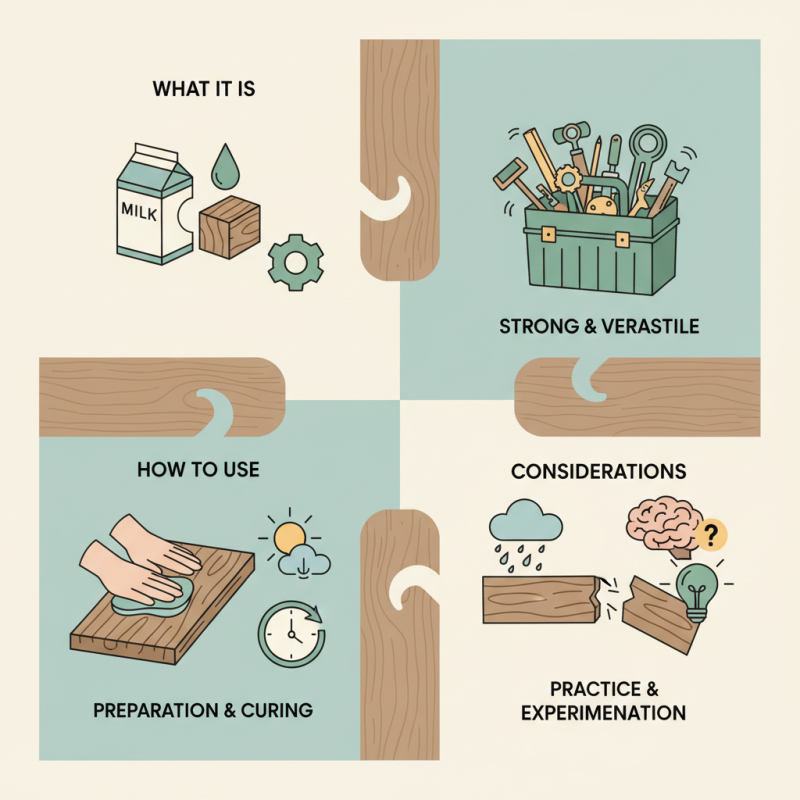
Casein Glue is a remarkable bonding agent derived from milk proteins. It has stood the test of time in various applications. Many woodworking professionals and DIY enthusiasts rely on this adhesive for its superior strength and versatility. Its natural origin offers an eco-friendly alternative to synthetic glues.
Using Casein Glue may seem straightforward, but there are nuances that can affect your project’s success. Proper surface preparation is crucial for achieving a strong bond. Take time to clean and dry the surfaces you intend to bond. Furthermore, understanding the curing time is essential. It can vary based on humidity and temperature, so patience is key.
While Casein Glue is effective, it is not without limitations. It can be sensitive to moisture after curing, which may lead to challenges in certain environments. Regular practice and experimentation can help to pinpoint the best method for your specific needs. Embrace the learning curve, and you will likely unlock its full potential.
Understanding Casein Glue: Composition and Properties
Casein glue is a natural adhesive derived from milk proteins. Its unique composition includes casein, water, and sometimes additional fillers. This glue is known for its strong bonding capabilities, especially when used on porous materials like wood and paper. The adhesive strength comes from the casein proteins, which form a robust matrix when dried.
Using casein glue can be a bit tricky. Always ensure the surfaces are clean and dry. A messy application can weaken the bond. Consider applying a thin layer of glue evenly. Too much glue may lead to longer drying times and a weaker hold.
Tips: Store your casein glue in a cool environment. Heat can alter its effectiveness. If the glue thickens, dilute it slightly with water before use. Test on scrap material to avoid unexpected failures. Regularly check glue for spoilage, as old glue may not bond well. Remember, practice makes perfect. Don’t shy away from experimenting with different materials.
Preparing Surfaces for Effective Casein Glue Application
Preparing surfaces for effective casein glue application is crucial for achieving strong bonding solutions. Cleanliness is imperative. Remove dust, grease, and contaminants. Studies indicate that a clean surface increases adhesive strength by up to 50%. When surfaces are roughened slightly, it can enhance the mechanical interlocking of the glue, further improving bond integrity.
Tips for surface preparation include using fine sandpaper to create texture. This allows the casein glue to grip better. A thorough wipe with a damp cloth can remove any residual dust. Dry the surface completely before applying glue.
Consider the temperature and humidity too. Ideal conditions are between 20-25°C with low humidity. High moisture can interfere with the glue’s curing process. A bonding failure can occur if surfaces aren’t adequately prepared. It’s essential to reflect on this before beginning work. The effort put into surface preparation directly impacts the longevity and strength of the bond created by casein glue.
Step-by-Step Instructions for Mixing Casein Glue
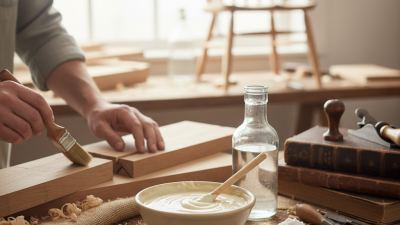
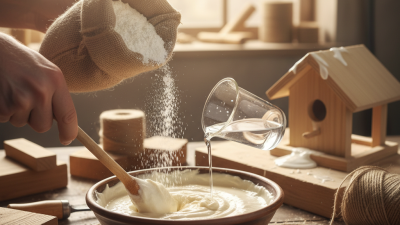
Mixing casein glue requires attention to detail for effective results. Start with dry casein powder, which you can find in many craft supply stores. Measure about one cup of casein and place it in a clean mixing bowl. Gradually add water, about half a cup at first. Stir the mixture slowly to prevent clumps. It may take some effort to achieve a smooth consistency.
Tips: Ensure water is at room temperature. Cold water can make mixing harder. If the glue feels too thick, add a little more water incrementally.
Once the casein glue is mixed, you can modify its properties. Mixing in a small amount of vinegar can improve its adhesion. If you're not getting the desired bond strength, consider adjusting the ratio of water to casein.
Tips: Always test your glue on a scrap piece of material. This helps you gauge its effectiveness. Remember, practice makes perfect, so don’t be discouraged by early failures.
Application Techniques for Optimal Bonding with Casein Glue
Casein glue is renowned for its strong bonding properties. When using this adhesive, proper application techniques are crucial for achieving optimal results. One critical point is ensuring surface preparation. Clean the surfaces thoroughly to remove dust and grease. Studies show that up to 30% of bond strength can be lost due to inadequate surface preparation.
Temperature and humidity also significantly influence bonding outcomes. Ideal conditions involve a temperature above 15°C and relative humidity between 40% and 60%. These factors can drastically affect the drying time and the overall performance of casein glue. A report by the American Institute of Wood Science highlights that controlling these environmental elements can enhance bond strength by over 20%.
Finally, applying the glue evenly is essential. Use a brush or roller to ensure an even layer. An uneven application can lead to weak spots and compromise the bond. In some cases, reworking the surface may be needed if the initial application is imperfect. A survey indicates that around 15% of woodworking projects can fail due to improper glue application, reinforcing the importance of attention to detail.
Tips for Curing and Maintaining Bonds Made with Casein Glue
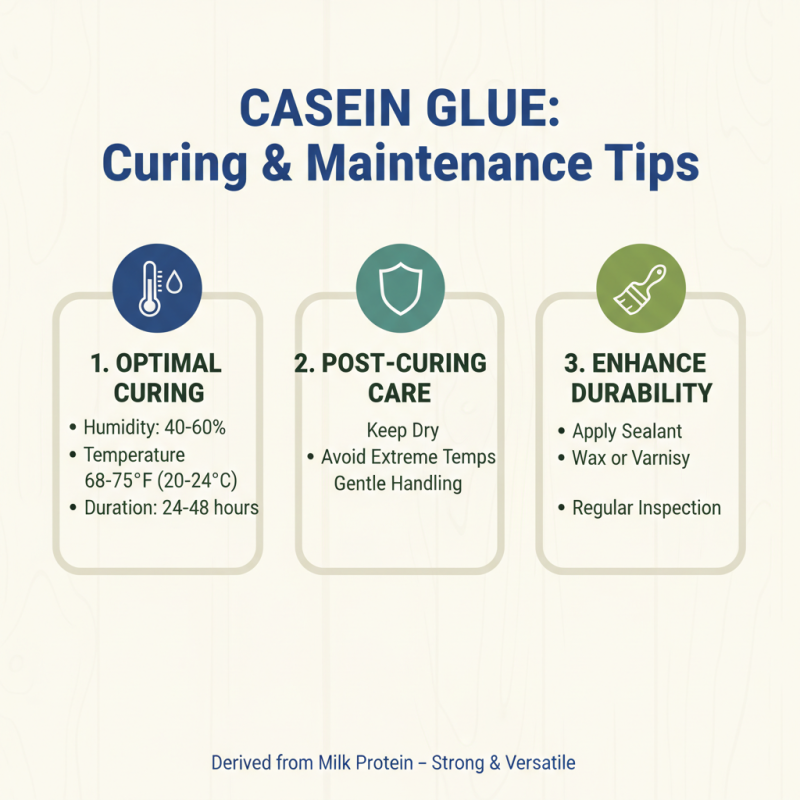
Casein glue is a versatile adhesive derived from milk protein. It offers a unique bonding solution for various materials, including wood, paper, and textiles. However, proper curing and maintenance of bonds made with casein glue are crucial for optimal performance. Studies indicate that humidity and temperature during the curing process significantly impact bond strength. For instance, an environment with 40-60% humidity is ideal.
Maintaining the bonds involves regular checks for moisture and wear. If the bond is subjected to changing conditions, it may weaken over time. Research highlights that casein glue exhibits better durability when protected from extreme temperatures and direct sunlight. Users should also avoid water exposure right after application. Instead, allow the glued items to cure fully, usually recommended to take upwards of 24 hours.
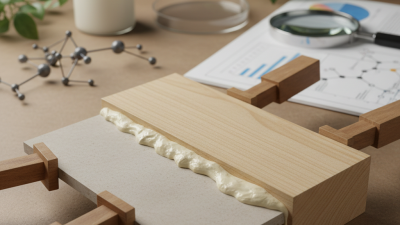
Creating the right conditions is vital for long-lasting bonds. Using clamps can improve strength, especially in wooden joints. The rough surfaces of materials can help casein glue adhere better. Yet, over-clamping can cause glue squeeze-out and loss of bond strength. Regular maintenance is essential, as bonds may degrade. Always strive for the right balance between pressure and glue application.