
Casein Glue offers a practical option for global sourcing when bonding performance, renewable content, and production efficiency matter. Made from milk protein, it has supported label, woodworking, and packaging applications for decades. Its strong initial tack helps manufacturers secure paper labels on glass bottles and cans. It also performs well on porous materials, including paperboard, wood, and certain natural fibers.
Sourcing decisions require more than a product data sheet. Buyers should compare viscosity, solids content, setting speed, shelf life, and packaging options. A reliable supplier should provide batch records, technical specifications, safety documentation, and clear storage guidance. Trial orders can reveal important details. For example, a glue that runs smoothly at 22°C may behave differently in a humid warehouse or during winter transport. Climate testing is essential.
Casein Glue is not a universal solution. It may require preservatives, careful temperature control, or formulation adjustments for demanding environments. Water resistance can also vary by grade and application. That matters. Experienced buyers should inspect production samples, review quality controls, and test the adhesive on the actual substrate. Supplier audits may expose weaknesses that polished samples hide.
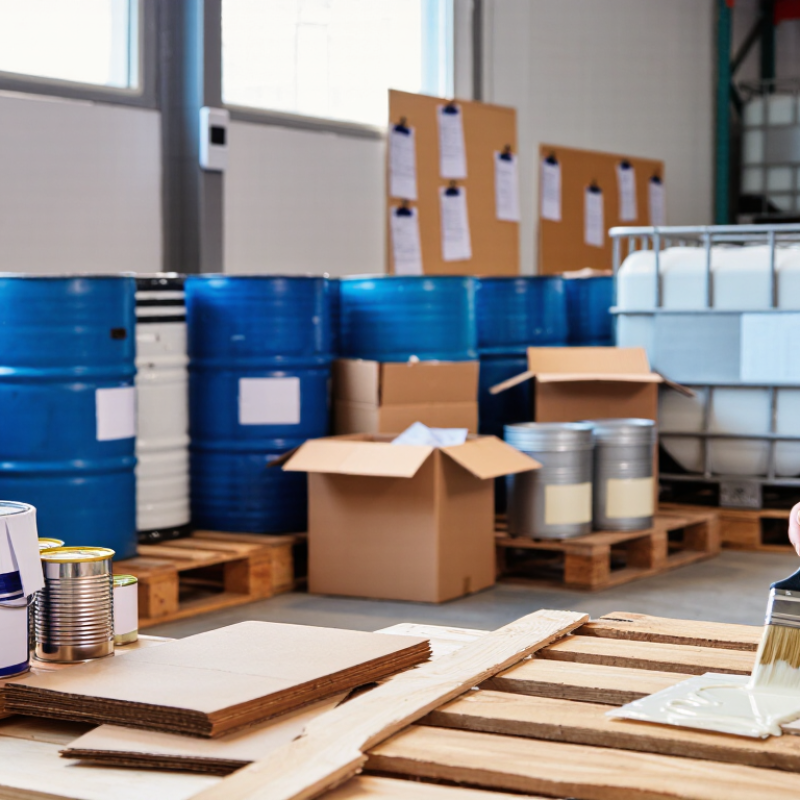
Global sourcing also depends on communication. Lead times, drum sizes, labeling, customs documents, and technical support can affect the total cost. Small details matter. A thoughtful sourcing process balances performance, price, sustainability goals, and supply reliability. The best decision may not be the cheapest one. It is the option that remains dependable after shipping, storage, and real factory use.
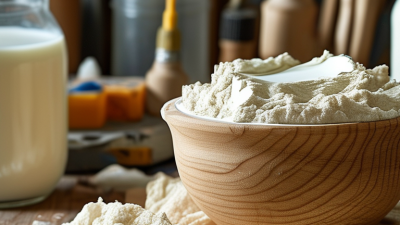
Casein glue is a water-based adhesive made from casein, the main protein in milk. It is not simply dried milk. Manufacturers separate the protein, dry it, and blend it with alkaline activators and performance additives. When mixed with water, casein particles swell and disperse. Alkalinity unfolds the protein structure, exposing reactive groups that help it grip porous surfaces.
The bonding process is quite physical and chemical. The adhesive wets wood fibers, flows into small pores, then forms hydrogen bonds as water leaves. Calcium compounds can strengthen the protein network and improve moisture resistance. In practical sourcing tests, a thin film should spread evenly, without lumps or a sharp chemical odor. Cure time changes with humidity. That detail is easy to underestimate.
The FAO reported global milk production near 965 million tonnes in 2023, creating a broad protein supply base for industrial processing. The OECD-FAO Agricultural Outlook 2024–2033 expects continued growth in dairy output, although regional costs will differ. This supports multi-country sourcing, but not automatic reliability. Casein quality depends on protein purity, moisture, ash content, and microbiological control. The Adhesive and Sealant Council identifies water resistance, open time, and substrate compatibility as core adhesive performance factors. Casein performs well on wood and paper, yet it may struggle in constant wet conditions. I would require batch certificates, viscosity checks, and aging tests before approving a supplier. Even then, laboratory results may not match a humid warehouse.
Casein glue is made from milk protein, water, and selected alkaline ingredients. It is commonly used when materials need firm bonding and practical processing. Woodworkers apply it to plywood, solid wood joints, furniture parts, and interior panels. Its long open time can help with careful alignment, especially on large surfaces. However, drying conditions matter. Cold workshops may slow curing more than expected.
Paper and packaging industries also use casein glue for labels, cartons, paper tubes, and coated paper. Glass bottle labeling is another established application because the adhesive can provide strong initial grab and clean machine handling. Some packaging operations prefer it for smooth label release during washing processes. The exact performance depends on the formulation, label stock, surface finish, and water temperature. It should not be treated as automatically waterproof.
Textile finishing, bookbinding, and selected construction materials may also use casein-based adhesives. These applications require controlled viscosity and consistent batch quality. A sourcing team should request technical data, safety information, storage limits, and test samples before making a decision. Food-contact suitability must be verified for the finished formulation and local market requirements. That detail is easy to overlook. In practice, casein glue offers renewable protein content and useful bonding properties, but it is not a universal answer. High humidity, prolonged water exposure, or unsuitable surfaces can still cause failure.
Why Choose Casein Glue for Global Sourcing?
Casein glue offers practical benefits for international packaging supply chains. Its milk-protein base provides strong adhesion on glass, paper, and coated labels. This performance supports high-speed labeling with fewer line interruptions. It also offers useful wet tack, allowing labels to grip quickly during production. In many applications, its water-based composition simplifies handling and cleanup. That matters when factories operate across different regions and equipment standards.
Global sourcing still requires careful verification. Casein glue is not perfect. Temperature changes, storage time, and water quality can affect viscosity and bonding results. Suppliers should provide batch records, technical data, safety documents, and consistent testing methods. Check solids content, pH, viscosity, and open time before approving a shipment. A small pilot run can reveal problems that laboratory samples miss. That extra step may prevent costly delays at the receiving plant.
Tips: Store containers in stable conditions and protect them from freezing. Compare samples using the same label stock, pressure, speed, and drying time. Ask suppliers about shelf life and transport controls. Keep a retained sample from every important batch. This creates useful evidence when performance changes unexpectedly. Minor differences can matter.
Casein glue is made from milk protein, so its supply chain is connected to established dairy-processing regions rather than a single specialized manufacturing location. The chart shows approximate cow milk production by region in 2022, indicating the broad geographic availability of potential casein feedstock.
Data source: FAOSTAT, Crops and livestock products database, approximate regional cow milk production for 2022. Milk production is used as an indicator of potential casein feedstock availability; it does not represent casein glue output.
Casein glue deserves attention when global sourcing requires renewable feedstocks and practical bonding performance. The FAO reported global milk production above 950 million tonnes in 2023, supporting broad casein availability. However, casein is only one milk fraction. Regional processing capacity still affects price, lead time, and supply continuity.
In furniture and interior applications, casein glue offers strong adhesion to wood, good machinability, and useful open time. The USDA Forest Products Laboratory’s Wood Handbook identifies protein adhesives as established options for wood bonding, although moisture resistance requires careful formulation.
Compared with polyvinyl acetate adhesives, casein can perform well on porous timber but may need better humidity protection. Compared with urea-formaldehyde systems, it avoids formaldehyde-based chemistry but may deliver less consistent water resistance. Cost comparisons are complicated. Milk-protein prices, energy, freight, mixing equipment, and shelf life all matter. OECD-FAO Agricultural Outlook reports continued dairy-market price volatility, so the cheapest quotation may not remain cheapest.
Tips: Request bond-strength and humidity-cycle tests before contracting. Check powder moisture, packaging seals, and batch traceability. A pilot run can reveal mixing problems that laboratory data misses. Casein may also require preservatives or tighter storage controls. That adds cost. My practical concern is simple: performance claims often sound stronger than field evidence. Ask suppliers for results using your timber, pressing time, temperature, and humidity conditions. Then compare total landed cost, not adhesive price alone.
Casein glue can suit paper labeling, woodworking, and selected packaging applications because it offers strong adhesion and practical handling. However, buyers should evaluate performance under real production conditions, not only compare prices. Check the intended substrates, required bond strength, setting time, viscosity, pH, and moisture resistance. A glue that performs well on dry paper may behave differently on coated board or humid wooden surfaces.
Supplier reliability matters just as much. Request a current technical data sheet, safety data sheet, certificate of analysis, and sample batch before placing a large order. Confirm solids content, shelf life, recommended storage temperature, and packaging integrity. During one sourcing review, the lowest quotation looked attractive, but its shorter shelf life created avoidable inventory pressure. That mistake was preventable. Ask about batch consistency, quality testing, production capacity, and export documentation. Independent inspection can add cost, but it may reveal leakage, labeling errors, or uneven viscosity before shipment.
Tips: Test the glue on your actual materials. Measure drying time at different temperatures. Store a retained sample for comparison. Discuss shipping conditions early, especially during hot or freezing seasons. Do not assume every casein formula is interchangeable. A trial may pass in the laboratory yet fail on a fast production line. Recheck your requirements after testing; buyers sometimes specify excessive performance and pay for properties they never use.