
Which Is the Best Laminating Adhesive Supplier in China?

Choosing the best Laminating Adhesive supplier in China is not simply a matter of accepting the lowest quotation. A film-and-foil converter may need different bonding performance from a packaging plant running paper and plastic. The right choice depends on substrate compatibility, line speed, curing conditions, and the finished package’s storage environment. Small test details matter. A sample that looks clear on a bench may behave differently after winding, heat exposure, or aging. This guide considers suppliers through product data, technical support, production consistency, and communication—not claims alone. It also outlines questions buyers can ask before requesting samples or placing an order.

A reliable evaluation begins with the adhesive’s intended application and the supplier’s ability to explain its limits. Ask for current technical and safety data, recommended mixing or application conditions, and guidance on trial runs. Compare sample results under realistic production settings, including bond strength, appearance, and curing time. Where relevant, check whether the supplier can provide traceable batch information and documentation for your market and use. These records help, but they do not replace your own testing. There is no perfect checklist. A detail can be missed, especially when specifications change between trials and full production. This overview will help readers compare manufacturers and distributors more carefully, spot unanswered questions, and decide which supplier merits a closer technical review.
Which Is the Best Laminating Adhesive Supplier in China?

What Laminating Adhesives Are and Where They Are Used

Which Is the Best Laminating Adhesive Supplier in China?

What Laminating Adhesives Are and Where They Are Used

A laminating adhesive bonds two or more layers into one functional material. It can join film to film, foil to film, or paper to a protective layer. The bond must hold during converting, storage, and everyday use. Some adhesives cure through heat; others rely on time and controlled conditions. That difference matters.

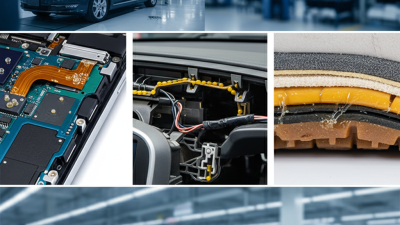
These materials appear in flexible packaging, labels, printed pouches, and protective films. In packaging, an adhesive may help keep a printed layer bonded to a sealable inner film. Labels need a different balance: reliable layer bonding without making the sheet difficult to cut or handle. Furniture panels and insulation products also use laminating adhesives to attach decorative or functional surfaces.

Choosing an adhesive depends on the substrates, coating process, and expected conditions. Heat, humidity, and flexing can all affect bond performance. Converters often check coat weight, curing time, and bond strength on actual production materials. A neat lab sample can still mislead. Not always. Small changes in film treatment or machine settings may alter the result. A capable supplier should provide clear technical guidance, consistent specifications, and samples for practical testing. The best fit is the one that performs steadily on your line, not merely on paper.

How Laminating Adhesives Are Made and Classified

Laminating adhesive is made by combining polymer resins, additives, and, in some systems, curing agents. Manufacturers control the mixing sequence, temperature, and moisture because small changes can affect viscosity and bonding. The liquid is then filtered and checked for properties such as solids content and coatability. Small details matter. A batch that looks uniform in a tank may still behave differently on a fast coating line.

Adhesives are commonly classified as solvent-based, water-based, or solvent-free. Solvent-based products often dry quickly, while water-based options need suitable drying conditions. Solvent-free systems avoid a drying oven, but can require precise mixing and curing control. Some formulations cure through a chemical reaction after the films are joined. The neat chart is useful, but real production rarely stays that neat. Film type, printing ink, line speed, and storage conditions all influence performance.

When assessing a Chinese supplier, ask how product batches are tested and whether technical data matches your actual packaging structure. Request guidance on mixing ratios, coating weight, curing time, and trial conditions. Then test the laminate for bond strength, appearance, and resistance relevant to its intended use. A laboratory result is not a production guarantee; the first machine trial may expose gaps in the process. Good documentation helps teams trace those differences instead of guessing.

What to Look for in a Chinese Laminating Adhesive Supplier

Choosing the best laminating adhesive supplier in China starts with process fit, not a low quotation. Ask which adhesive chemistry suits your films, foil, paper, and coating line. A capable supplier should explain coat-weight ranges, mixing ratios, open time, and curing conditions. Useful answers include test methods, not vague promises.

Request current technical data and safety documents, then compare the stated values with your setup. Send representative substrates and ask for trial rolls or a controlled laboratory lamination. Measure bond strength at defined intervals, inspect appearance, and record curl or residual odor. Small differences matter. Reliable suppliers maintain batch records and can explain how they investigate a failed bond.

Evaluate technical support before placing a large order. Can the team discuss line speed, nip pressure, drying, and seasonal temperature changes clearly? Confirm lead times, packaging, storage limits, and complaint handling. A polished sample is not proof of stable production. Even a careful checklist can miss details; verify performance on your own machine, where operators and downtime may reveal weaknesses.

How to Compare Supplier Quality, Capacity, and Service

Which Is the Best Laminating Adhesive Supplier in China?

Comparing suppliers takes more than checking a product sheet. Ask for technical data tied to your actual film, substrate, and production conditions. A reliable supplier should explain viscosity ranges, curing requirements, and recommended coating weights in clear terms. Ask for evidence. Request recent test results, sample rolls, and a trial plan before discussing large orders. Small differences in surface treatment or line speed can change bond strength.

Capacity matters when orders grow or schedules tighten. Review monthly output, typical lead times, and how the supplier handles raw material shortages. Ask whether production records can trace each batch to its inspection results. A factory tour can help, but the details matter: look at storage conditions, mixing controls, and how operators record process changes. A clean floor alone proves little.

Service is easiest to judge when something goes wrong. Ask who responds to technical questions, how quickly they investigate defects, and what information they need from your team. Share a real use case, such as edge lifting after heat exposure, and assess whether the response offers a testable cause rather than a quick promise. It is easy to overvalue a polished presentation. I would still compare trial results across suppliers, because one test rarely captures every production condition.

Which Is the Best Laminating Adhesive Supplier in China?

How to compare supplier quality, capacity, and service

Suggested buyer-assigned evaluation weights, not measured market data. Assess quality consistency through product specifications and batch records; verify capacity and delivery performance with production plans and order history; and review technical support and documentation during supplier qualification. Adjust the weights to match your application and confirm claims with audits and records.

How to Verify a Supplier for Your Application

Which Is the Best Laminating Adhesive Supplier in China? How to Verify a Supplier for Your Application

The right supplier depends on your film, substrate, line speed, and end use. Ask for technical data covering recommended coating weight, curing conditions, and bonding performance. Then compare those figures with your actual process, not just a sales sample. Request traceable batch records and clear answers about product consistency. A polished datasheet helps, but it cannot replace a production trial. Small trials matter.

Tips: Send the supplier your film types, target speed, and curing setup. Test samples on your own equipment. Check initial tack, bond strength after curing, and appearance near the edges. Record temperature, pressure, and dwell time so results can be repeated.

It is easy to focus on price and overlook application support. Ask how the supplier investigates defects such as bubbles, weak bonds, or uneven coating. Their response should be specific, not simply “adjust the machine.” Discuss storage life and packaging before ordering, too. A small pilot order can reveal handling issues that a lab test misses. Still, one successful run does not prove every batch will behave the same. Set acceptance criteria and keep test records for future comparisons.

Which Is the Best Laminating Adhesive Supplier in China? - How to Verify a Supplier for Your Application

Use this scorecard to compare suppliers against your own film structures, process conditions, and end-use requirements. Suggested weights are a screening framework, not a universal industry ranking; confirm all technical and regulatory requirements for your market.

Evaluation Dimension What to Verify Practical Evidence or Test Suggested Weight
Application and substrate fit Confirm compatibility with every layer in the intended laminate, including treated or coated surfaces, and with the planned end use. Request a written recommendation covering the exact film or foil structure, adhesive type, application method, and known limitations. Test representative production materials. 20%
Adhesion performance Assess bond strength and failure mode after the specified cure period, rather than relying only on an initial bond result. Run a documented peel test using a consistent specimen width, peel angle, speed, conditioning, and reporting method. ASTM D1876 is one example of a T-peel test method; confirm that it suits the laminate and test setup. 20%
Process-window suitability Verify that viscosity, coating behavior, drying or mixing requirements, and curing conditions work on the intended equipment and line speed. Conduct a controlled line trial. Record adhesive mix ratio where applicable, coat weight, oven settings, line speed, residual solvent or other relevant process checks, and observed defects. 15%
End-use resistance Check resistance to the actual conditions the package or laminate will face, such as heat, moisture, oils, chemicals, or retort processing where applicable. Agree on conditioning and application-specific tests before qualification. Compare results with written requirements for the intended use; do not assume one test represents every service condition. 15%
Quality system and batch consistency Review whether the supplier controls production, inspection, nonconformities, and changes relevant to the adhesive supplied. Verify the scope and current status of any claimed quality-system certification. Request a recent batch certificate or test report and ask how lot-to-lot variation is monitored. 10%
Technical documentation and safety Check that product identification, handling instructions, storage conditions, shelf life, and safety information are complete and consistent. Review the current technical data sheet and Safety Data Sheet for the exact product and market. Confirm that documents match the supplied formulation and packaging. 8%
Regulatory and food-contact suitability Where relevant, confirm suitability for the specific jurisdiction, food type, contact conditions, and finished packaging structure. Request applicable declarations and supporting documentation, then verify the scope against the intended use. A general statement of compliance alone may not cover every structure or condition. 7%
Supply reliability and change control Evaluate the supplier’s ability to meet agreed order quantities and delivery schedules, and to notify customers of material or process changes. Review written lead-time and order terms, escalation contacts, and documented change-notification procedures. Confirm a contingency plan for supply interruptions. 5%
Decision rule: Score each dimension against your written requirements, document the evidence, and qualify the adhesive through trials on your actual materials and equipment. The best supplier for an application is the one that demonstrates consistent performance and support against those requirements.