2026 Top Epoxy Resin Adhesive Types You Should Know About?
Epoxy resin adhesive has become essential in various industries. Its strength and versatility are notable. Many professionals depend on these adhesives for reliable bonding solutions.
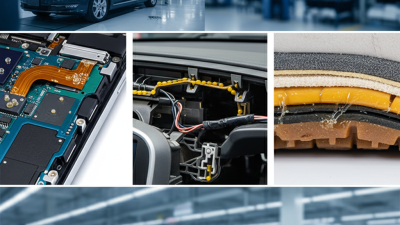
As we look toward 2026, understanding different types of epoxy resin adhesives becomes crucial. These products can be used for electronics, automotive, and construction applications. Yet, not all epoxy adhesives are created equal. The best choice often depends on the specific task and materials involved.
Researching epoxy resin adhesives can feel overwhelming. There are so many options with unique properties. For instance, some are better for high temperatures, while others excel in moisture resistance. Users must consider their needs carefully. Balancing strength, flexibility, and curing time is important for achieving optimal results.
Overview of Epoxy Resin Adhesives and Their Applications
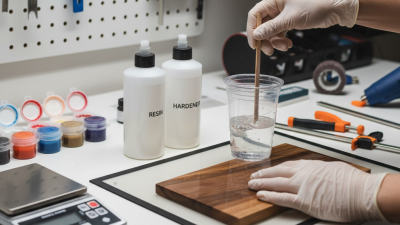
Epoxy resin adhesives are versatile and powerful bonding agents. They consist of two components: resin and hardener. When mixed, they create a strong, durable bond. These adhesives are known for their excellent resistance to chemicals and moisture. This makes them ideal for a wide range of applications, from construction to electronics.
In the automotive industry, epoxy adhesives secure parts that must withstand stress and vibration. In woodworking, they bond various materials, providing a seamless finish. Many artists use epoxy resin for craft projects, enhancing aesthetics while ensuring durability. However, working with epoxy requires safety precautions. Proper ventilation and protective gear are crucial to avoid health risks.
Despite their strengths, epoxy adhesives have limitations. They can be brittle and might not hold up under extreme temperature changes. Users should be aware of the setting time, which can vary based on conditions. Understanding these factors is essential for successful application. Testing on small projects can lead to better results.
Key Characteristics of Epoxy Resin Adhesives Explained
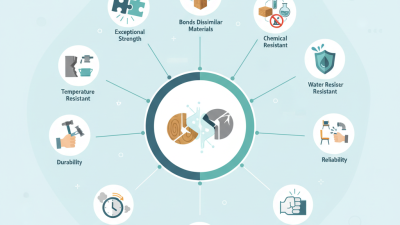
Epoxy resin adhesives are popular for their durability and versatility. They bond well with various materials like metal, wood, and plastic. One key characteristic is their excellent adhesion properties. This makes them suitable for both indoor and outdoor applications. Their resistance to moisture and chemicals ensures long-lasting performance.
Another important aspect is the curing process. Epoxy requires mixing a resin and a hardener. This chemical reaction initiates curing, leading to strong bonds. However, it can be tricky. Miscalculating ratios may weaken the bond. Temperature also plays a significant role in curing time. It’s crucial to follow manufacturer guidelines closely.
Finally, flexibility is a notable trait of epoxy adhesives. This allows them to absorb stress without cracking. Yet, not all formulations offer the same level of flexibility. Some may become brittle over time. Testing different types can help identify the best option for specific projects. Understanding these characteristics aids in selecting the right epoxy resin adhesive for your needs.
2026 Top Epoxy Resin Adhesive Types You Should Know About
| Adhesive Type |
Key Characteristics |
Ideal Applications |
Curing Time |
| Standard Epoxy |
Excellent adhesion, chemical resistance, and durability |
General bonding, construction, automotive repairs |
24 hours |
| Flexible Epoxy |
Flexibility and shock resistance |
Applications requiring movement, electronics |
12-24 hours |
| High-Temperature Epoxy |
Resistant to high temperatures and thermal shock |
Aerospace, automotive, industrial applications |
24-48 hours |
| Waterproof Epoxy |
Water-resistant with excellent bonding strength |
Marine, plumbing, outdoor repairs |
6-12 hours |
| Rapid Cure Epoxy |
Fast setting time and strong bond |
Quick repairs, assembly line production |
30 minutes - 2 hours |
Types of Epoxy Resin Adhesives: A Comprehensive Breakdown
Epoxy resin adhesives are essential in various industries, offering unmatched bonding strength and versatility. There are several types to consider.
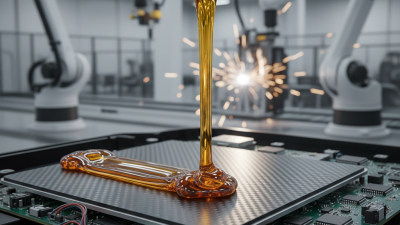
Structural epoxy adhesives are potent, used in heavy-duty applications like aerospace and automotive industries. They provide high shear strength and resistance to environmental factors.
Additionally, flexible epoxy adhesives allow for movement, making them ideal for applications requiring durability and resilience.
According to industry reports, the global epoxy adhesive market reached USD 9.2 billion in 2021 and is projected to grow at a CAGR of 6% from 2022 to 2028. This growth highlights increasing demand in
construction and electronics. Understanding these types allows users to select the right adhesive for their needs.
Tips: Always consider the application temperature ranges when choosing epoxy adhesives. The environment can dramatically affect performance and longevity. Also, keep in mind the curing time, as some formulations require longer periods,
which may affect project timelines. Reflecting on these aspects is crucial for success.
Factors to Consider When Choosing Epoxy Resin Adhesives
When selecting epoxy resin adhesives, certain factors are paramount. Key considerations include the adhesive's viscosity, curing time, and resistance to temperature and chemicals. A study by the Adhesive and Sealant Council reveals that adhesiveness plays a crucial role in evaluating performance in varied environments. Higher viscosity generally indicates a stronger bond, especially for vertical applications.
Tips: Always test a small batch before full usage. This helps to identify how the adhesive interacts with surfaces.
The application method is equally important. Some projects may need a syringe for precision, while others may benefit from a bulk application. Compatibility with materials like metals, plastics, and wood can vary significantly. According to a market report, epoxy adhesives exhibit a high bond strength of about 3,000 to 5,000 psi under optimal conditions. However, environmental factors can alter these results, stressing the need for careful settings.
Tips: Review the environmental conditions of the project. Humidity and temperature can affect curing and adhesion strength.
Future Trends in Epoxy Resin Adhesive Technologies
Epoxy resin adhesives are evolving rapidly, driven by advancements in technology and material science. In recent years, there has been a noticeable shift towards environmentally friendly formulations. These new epoxy types reduce harmful emissions while maintaining strong bonding capabilities. Many manufacturers now focus on biobased components, making their products more sustainable.
Another trend is the development of enhanced performance features. Innovations include increased heat resistance and improved adhesion to various substrates. This is crucial in industries such as automotive and aerospace, where reliability is key. However, ensuring that these new formulations do not compromise on workability poses a challenge that requires careful balance.
As epoxy resin adhesives continue to advance, the emphasis on user experience grows. Some users report issues with curing times and application processes. Finding optimal solutions for these concerns is essential. Manufacturers are urged to consider feedback, ensuring products meet real-world needs. This collaborative approach will shape the future of epoxy resin adhesive technology.