

China Top 10 SBS Adhesive Suppliers for Global Buyers
SBS Adhesive is chosen for more than its initial tack. Buyers also need to understand peel strength, heat resistance, flexibility, and performance on specific substrates. A roll that bonds cleanly to cardboard may behave differently on coated paper, film, or a dusty surface. Small details matter.
Adhesive scientist Dr. Steven Abbott provides a useful technical perspective. The following guiding line is an editorial paraphrase, not a verified direct quotation: “A bond is only as dependable as the conditions used to test it.” That distinction matters. Supplier data can look impressive, yet test methods, coating weight, and application temperature may differ. Ask for technical data sheets, sample rolls, and application-specific test results. Check how the adhesive performs after aging, pressure, and temperature changes.
This guide compares ten SBS adhesive suppliers for global buyers, considering product range, technical support, manufacturing consistency, and export readiness. It is designed to help procurement teams ask sharper questions, not to replace independent qualification. A supplier’s reputation cannot guarantee a fit for every converting line. That comparison has limits. Verify claims against your own substrates and process conditions, and document the results before scaling up. One overlooked variable can change the outcome.
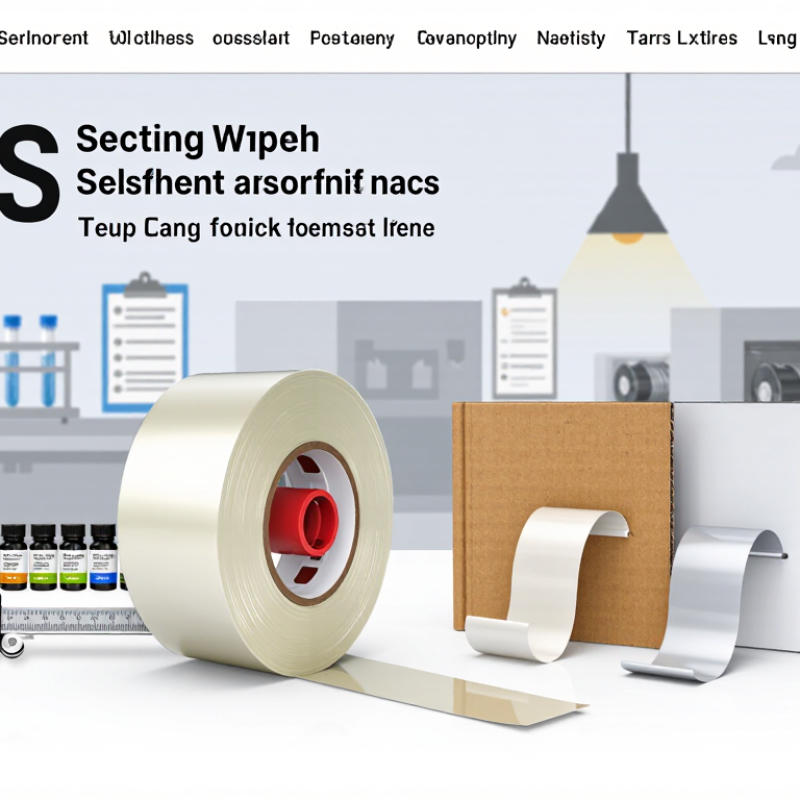
SBS Adhesives Explained: Typical SBS Grades Contain 20–40 wt% Styrene
SBS Adhesives Explained: Typical SBS Grades Contain 20–40 wt% Styrene
SBS is a block copolymer: styrene-rich end blocks form firmer domains, while the butadiene-rich middle block provides flexibility. Technical references, including Holden et al.’s Thermoplastic Elastomers, describe common SBS grades in the 20–40 wt% styrene range. That percentage is a useful starting point, not a complete performance rating. Higher styrene content often increases firmness and heat resistance, while lower content can favor softness and tack. Actual adhesive behavior also depends on resin, oil, and formulation.
For buyers, check the grade’s styrene content alongside melt flow, hardness, and test results. Compare peel adhesion using ASTM D3330 and shear performance using a consistent test method; results can shift with substrate, temperature, and application thickness. A thin coat on cardboard may behave very differently from a thicker layer on a low-energy plastic. One detail is easy to miss: more styrene does not automatically mean a better adhesive.
Tips: Request a technical data sheet and test a small bond under your actual use conditions. Record coat weight and temperature; those details are often overlooked.
| No. | Evaluation dimension | Useful benchmark or technical context | What global buyers should verify |
|---|---|---|---|
| 1 | Styrene content | Typical SBS grades contain about 20–40 wt% styrene. Styrene content can affect hardness, strength, and the balance of adhesive properties. | Request the grade-specific technical data sheet (TDS) and confirm the test basis and stated range. |
| 2 | Polymer architecture | SBS is a styrene-butadiene-styrene thermoplastic elastomer. Linear and radial architectures can differ in melt behavior and performance. | Ask for the architecture, molecular-weight information where available, and evidence that the grade is suitable for the intended formulation. |
| 3 | Adhesive format | SBS-based adhesives are commonly supplied as formulated hot-melt or solvent-based products; SBS polymer is also sold as a raw material for compounding. | Clarify whether the quotation is for finished adhesive or base polymer, and request the corresponding processing and safety documents. |
| 4 | Formulation components | Finished SBS adhesives may combine polymer with tackifying resins, oils, antioxidants, and other additives selected for the application. | Confirm composition disclosures needed for your use, compatibility requirements, and whether formulation changes affect performance. |
| 5 | Target application | SBS adhesive formulations are used in applications such as pressure-sensitive products, labels, tapes, and footwear or assembly bonding. | Match the grade and formulation to the substrate, application method, service temperature, and required bond behavior. |
| 6 | Performance testing | Relevant properties can include tack, peel adhesion, shear holding power, viscosity, and heat resistance. Results depend on the test method and conditions. | Request recent test reports with method, substrate, conditioning, and test conditions stated; compare like-for-like data. |
| 7 | Processing and viscosity | Hot-melt processing conditions and solvent-based adhesive viscosity vary with formulation, equipment, and application method. | Obtain the recommended processing window and confirm it works with your production line before placing a volume order. |
| 8 | Quality consistency | Batch-to-batch control is important because changes in polymer or formulation properties can affect application and finished-product performance. | Review the certificate of analysis (CoA), lot identification, change-control process, and retained-sample or complaint procedures. |
| 9 | Safety and regulatory documents | Documentation needs depend on product composition, intended use, and the destination market. Solvent-based products may have additional handling and transport requirements. | Request an up-to-date safety data sheet (SDS) and check applicable chemical, labeling, and transport rules in the importing country. |
| 10 | Packaging and shipment | Packaging format, storage conditions, shelf life, and transport arrangements vary by product type and supplier specification. | Confirm packaging, storage instructions, shelf-life basis, export documents, and any shipment restrictions before purchase. |
Note: SBS grades and finished adhesive formulations are not interchangeable. Use supplier TDS, SDS, CoA, and application testing to confirm suitability for each project.
Related Posts
-
10 Essential Tips for Choosing the Right SBS Adhesive
-

How to Choose the Best SBS Adhesive for Your Projects?
-
10 Best Polyurethane Adhesives for Strong and Durable Bonding Solutions?
-
Top 10 Best Polyamide Hot Melt Adhesives Explained?
-
China Top Polyamide Hot Melt Adhesive for Global Buyers?
-
7 Best Laminating Adhesive Suppliers for Global Buyers?