Top Polyurethane Adhesives for Global Buyers in 2026?
The global market for polyurethane adhesives is rapidly evolving. As industries seek strong and versatile bonding solutions, polyurethane adhesive technology has become essential. Experts like Dr. Emily Carter, a renowned materials scientist, emphasize its significance: “Polyurethane adhesives offer unmatched flexibility and durability for diverse applications.”
In 2026, buyers will look for innovative adhesives that meet specific industry needs. The market demands solutions that can withstand various environmental challenges. Polyurethane adhesives are often favored for their superior adhesion properties and resistance to moisture and chemicals. However, navigating this complex industry is not without challenges. Choosing the right product among many options is crucial.
Furthermore, trends indicate a growing focus on sustainability. Eco-friendly formulations are becoming a priority in the development of polyurethane adhesives. Companies are rethinking their supply chains to reduce environmental impact. This shift requires careful consideration, as not every product meets the high standards expected. The journey toward finding the best polyurethane adhesive is continuous, reflecting both the advancements and the complexities of this vital field.

Overview of Polyurethane Adhesives Market Trends in 2026
The polyurethane adhesives market is evolving rapidly. In 2026, we can expect innovative formulations that enhance durability and flexibility. Manufacturers are focusing on eco-friendly solutions. Sustainability is a key trend in this sector. These adhesives will likely cater to diverse industries, from automotive to construction.
Consumer demands are changing. There is a growing preference for adhesives that provide strong bonding while being environmentally safe. In addition, advancements in technology are leading to better performance characteristics. Adhesives will offer improved resistance to temperature fluctuations and moisture. This makes them suitable for even the most challenging applications.
Challenges remain. Not all polyurethane adhesives meet environmental standards. Some still contain harmful components. Buyers must be cautious in their selections. Understanding the properties of various adhesives is vital. Transparency in production is necessary for informed decision-making. As trends shift, staying updated with market changes will be crucial for consumers.
Polyurethane Adhesives Market Trends in 2026
Key Factors Driving the Growth of Polyurethane Adhesives Worldwide
The global polyurethane adhesives market is on a remarkable growth trajectory. Reports indicate that the industry is expected to expand at a compound annual growth rate (CAGR) of 5.5% through 2026. This growth is largely driven by the automotive and construction sectors, both of which demand high-performance adhesive solutions.
Moreover, the rise in green building initiatives is pushing for eco-friendly adhesive options. According to a study, eco-conscious consumers are influencing manufacturers to develop sustainable products. This transition is vital as consumers seek safer alternatives that meet rigorous environmental standards.
Technological advancements also play a role in the evolving adhesive landscape. Innovative formulations enhance bonding strength and flexibility, meeting diverse application needs. However, challenges such as fluctuating raw material costs can hinder progress. Companies will need to navigate these complexities to maintain growth momentum in this competitive arena.
Top Polyurethane Adhesives in 2026
| Region |
Market Share (%) |
Key Applications |
Growth Rate (%) |
Driving Factors |
| North America |
28 |
Construction, Automotive |
6.5 |
Rising construction projects, automotive manufacturing growth |
| Europe |
30 |
Furniture, Footwear |
5.8 |
Sustainability trends, high demand in furniture |
| Asia-Pacific |
35 |
Electronics, Automotive |
8.1 |
Growth in electronics manufacturing, rapid urbanization |
| Latin America |
15 |
Construction, Packaging |
4.2 |
Infrastructure development, packaging industry growth |
| Middle East & Africa |
6 |
Construction, Automotive |
3.9 |
Increasing industrialization, urban projects |
Comparative Analysis of Leading Polyurethane Adhesive Brands
In the competitive landscape of adhesives, polyurethane adhesives stand out for their versatility and strength. According to a report by MarketsandMarkets, the polyurethane adhesive market is expected to reach $11.3 billion by 2026, reflecting a growing demand across various industries. This trend highlights the importance of selecting the right brand to meet specific application needs.
Comparative analysis reveals distinct characteristics among leading polyurethane adhesive brands. For instance, some brands excel in flexibility, making them ideal for materials that expand and contract, such as rubber and plastics. Others are known for high adhesion strength, which is critical in construction and automotive applications. Technical data supports these performance differences; a brand may showcase a tensile strength of up to 3,500 PSI, while another might offer superior temperature resistance, maintaining integrity even in extreme conditions.
However, not all brands perform equally under every circumstance. Users report variability in curing times and bonding capabilities, leading to potential project delays. It is essential for buyers to consider their specific requirements and to conduct thorough tests before making a commitment. Understanding the nuances of each product can lead to better decision-making and optimal results in various applications.
Innovations in Polyurethane Adhesive Formulations and Applications
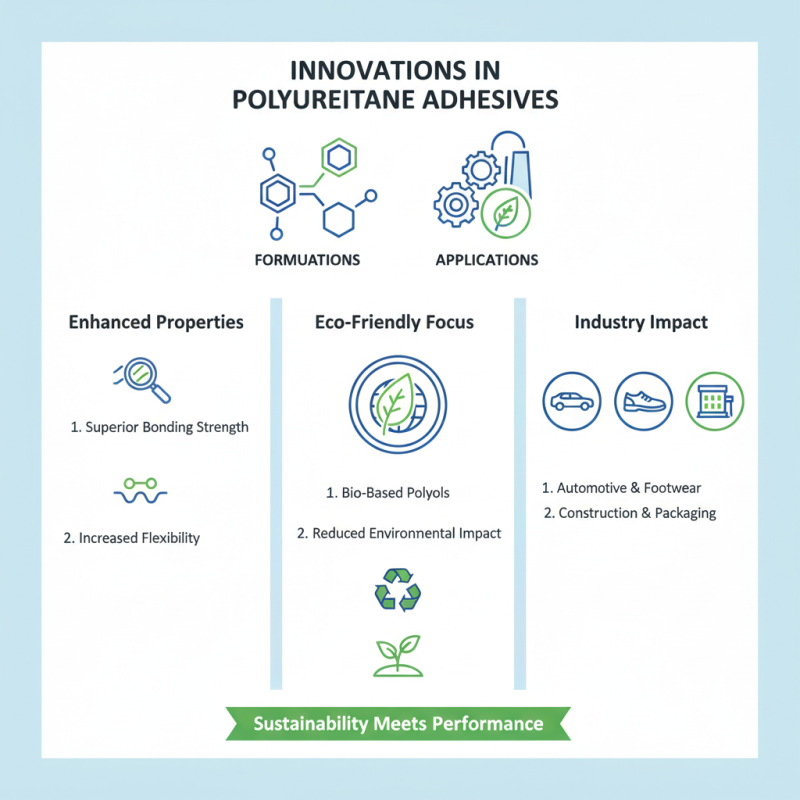
Innovations in polyurethane adhesive formulations are shaping various industries. The focus is on enhancing bonding strength and flexibility. Advanced technologies are integrating eco-friendly materials into these adhesives. This shift caters to sustainability while meeting high-performance standards. For instance, some new formulations feature bio-based polyols derived from renewable resources. These materials reduce environmental impact significantly.
Adhesives are becoming versatile for different applications. In construction, new polyurethane formulations can bond to a range of surfaces. They can work effectively even under challenging conditions, such as extreme temperatures and moisture. However, not all options provide the desired strength in every scenario. Testing is crucial to find the right fit for specific needs.
Emerging trends also include smart adhesives that respond to environmental changes. These products adjust their properties, enhancing performance dynamically. However, the long-term reliability of these innovations remains a question. Manufacturers must ensure consistent quality and durability over time. The continuous development in this sector highlights the need for ongoing research and improvement.
Environmental Impact and Sustainability of Polyurethane Adhesives in 2026
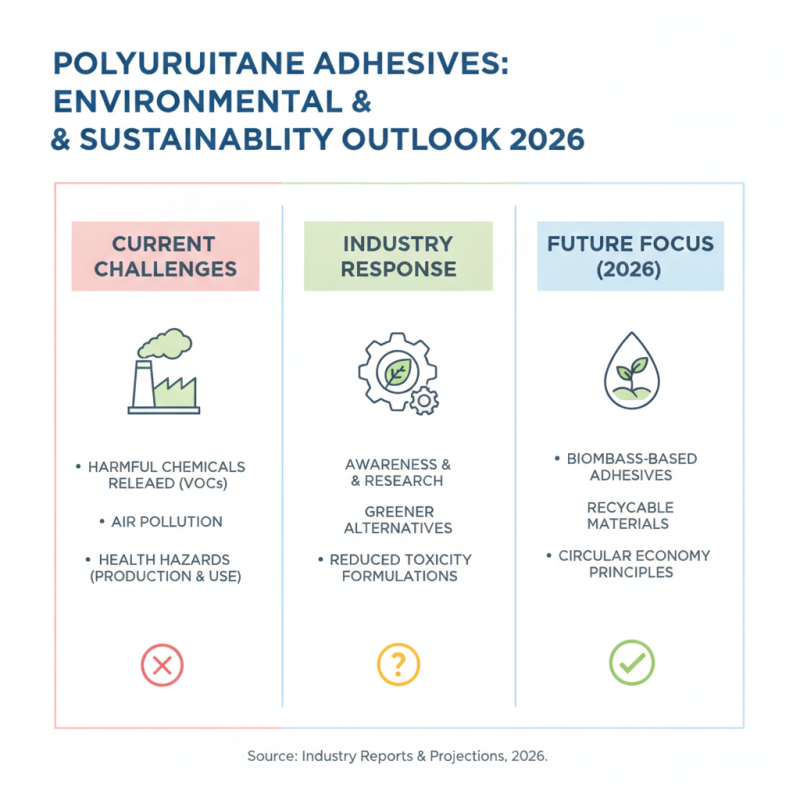
As we look towards 2026, the environmental impact of polyurethane adhesives becomes crucial. These adhesives, while effective, often pose challenges regarding sustainability. Traditional formulations can release harmful chemicals during production and use, contributing to air pollution and health hazards. The industry is aware of these issues and is actively researching greener alternatives.
Tips: Consider using low-VOC formulations. These options reduce harmful emissions. They may perform similarly to conventional adhesives while being better for the environment.
There is ongoing innovation in bio-based polyurethane adhesives derived from renewable resources. These adhesives are designed to minimize ecological footprints. However, not all bio-based options meet stringent performance standards. Users must evaluate the trade-offs between sustainability and effectiveness. Some products may not always offer the bonding strength expected.
Tips: Always check for certifications. Third-party validations can provide insights into sustainability claims. Look for peer-reviewed studies to support your choices.
While advancements are promising, transparency remains a key issue. Not every manufacturer discloses the full environmental impact of their products. Buyers should seek comprehensive information and consider their purchases carefully. The path to sustainability demands vigilance and informed decision-making.